Don’t be scared to walk alone. Don’t be scared to like it.
John Mayer
Regions
Chile mainly consists of five different natural zones that have individual characteristics and as such travel dependencies. Since I have learned that the political distributions of regions is linked to the number of inhabitants and might be adjusted depending on the numbers, I stick to the natural zones. Even though Rapa Nui (Easter Island) is politically counted to the region of Valparaíso, I count it individually since as part of Polynesia it is completely different to the rest of Chile.
Norte Grande
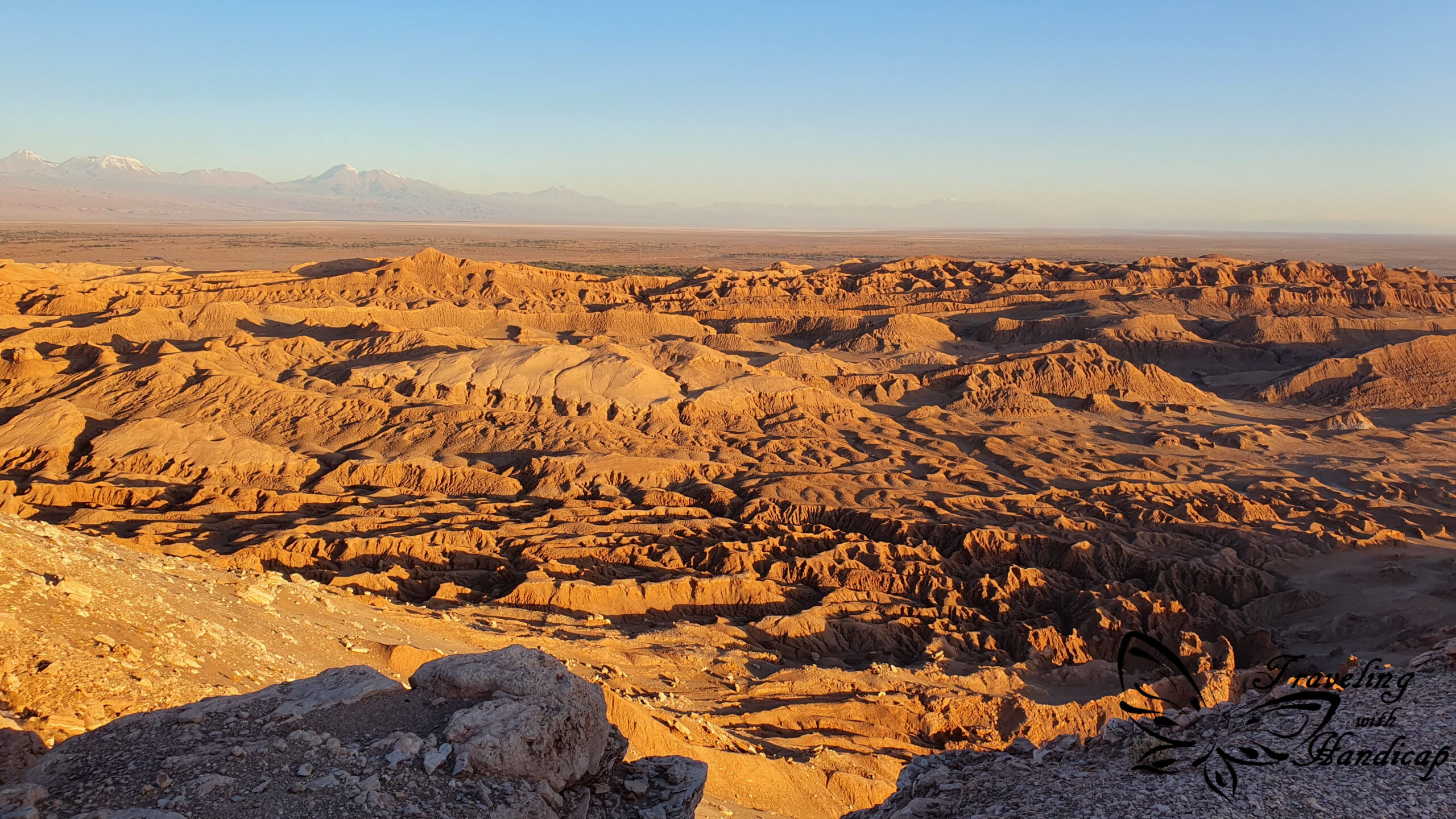
The main characteristic of this region is the Atacama desert containing places literally zero precipitation. The political regions in the current distribution are Arica y Parinacota, Tarapacá, Antofagasta and Atacáma. Even along the coast it’s super dry, some valleys have a humid micro-climate enabling the farming of certain fruit. Most of the region has a certain altitude since the western edge of the Andes is rather steep and close to the coast. In this region, the majority of people lives close to the coast and the mining industry is prominent in the region.
Visited places
- Arica: northernmost city of Chile with a couple of beaches, a little weird flair such that you better be careful not to be robbed, direct train connection to southern Peru available (border crossing via bus not possible/ not recommended)
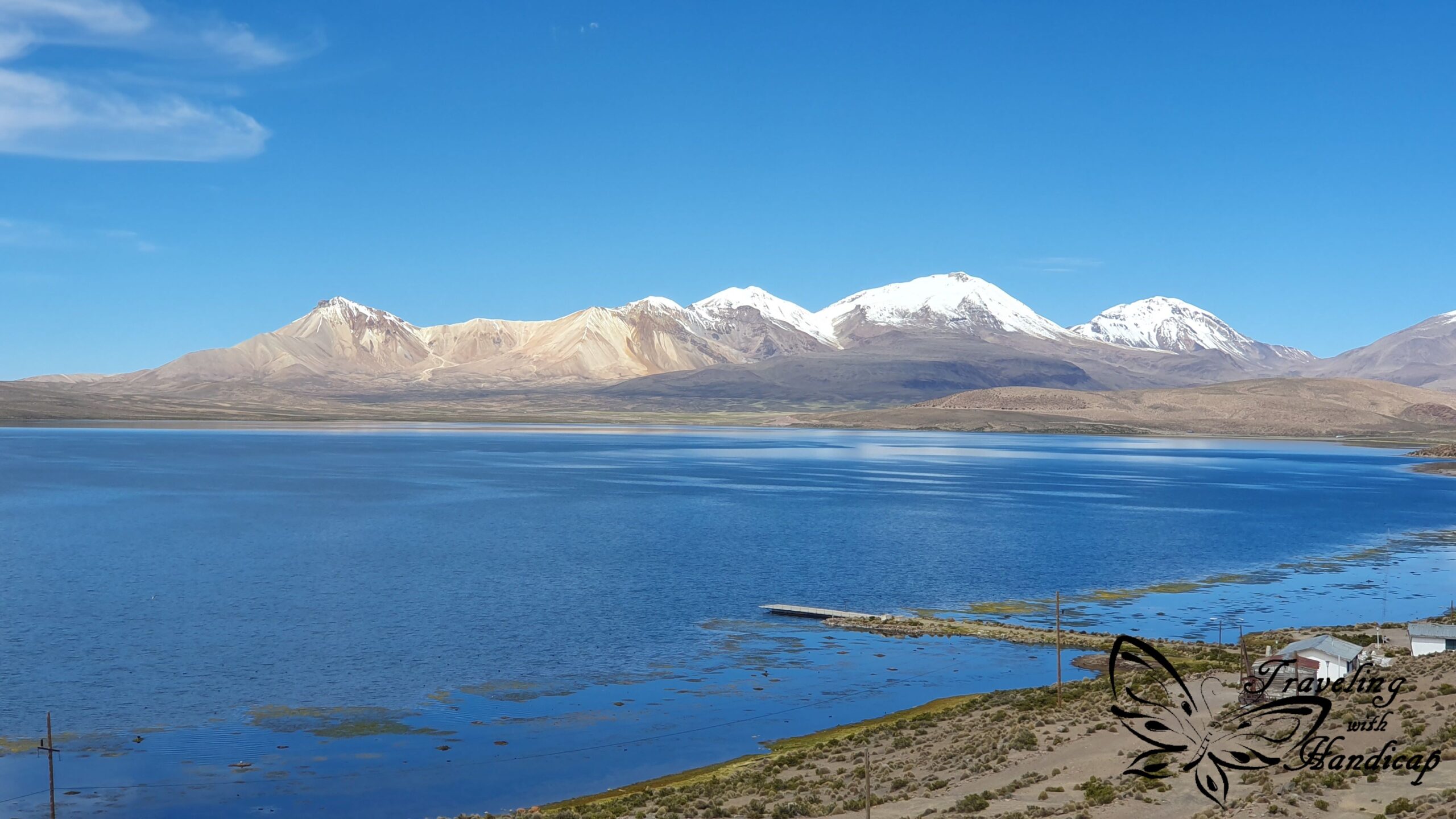
- Parque Nacional Lauca (Lago Chungará): northernmost National Park of Chile at the border to Bolivia, in the Altiplano region, highest lake but not shippable
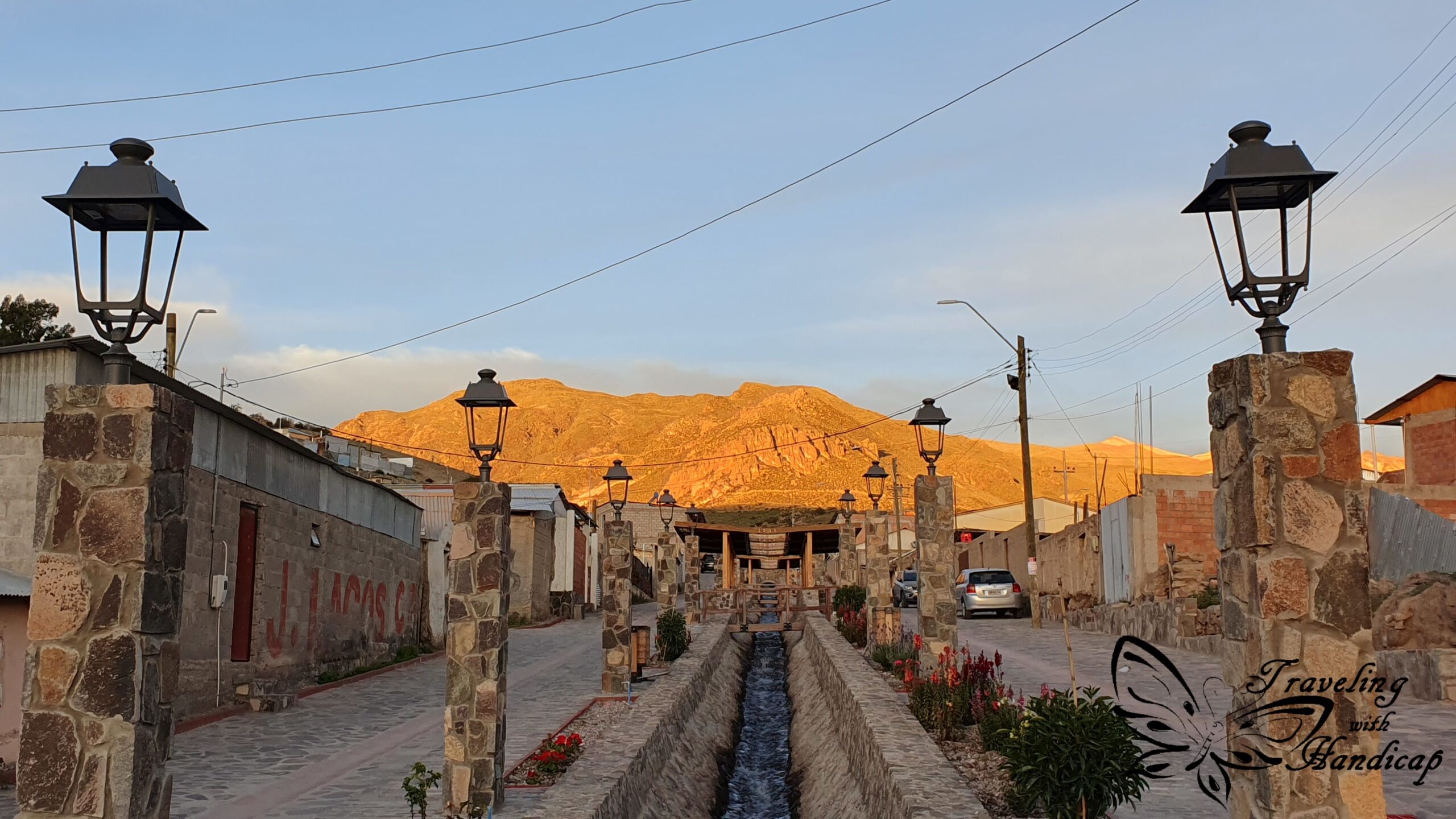
- Putre: one of the northernmost villages in a green valley (with some altitude) of the Andes at the edge of the Parque Nacional Lauca
- Iquique: coastal city with harbor and higher quality of houses compared to other coastal towns with mining access (in the higher Andes in the back-country), cute center and surfing options
- Antofagasta: big city that is not touristic at all since there are almost no hotels available (and the remaining few of rather poor quality), mainly a city for many mining people, also many homeless people
- Calama: city high up in the Atacama desert that is a mining base and people are rather rude, you don’t want so spent one minute more than necessary in this city, access point (airport or bus) for San Pedro de Atacama
- San Pedro de Atacama: well-known an hip village in the Atacama Desert, Chilean access point for tours to Salar de Uyuni in Bolivia, many interesting natural things accessible from San Pedro
Further recommendations
- Copiapó
- Bahía Inglesa
Norte Chico
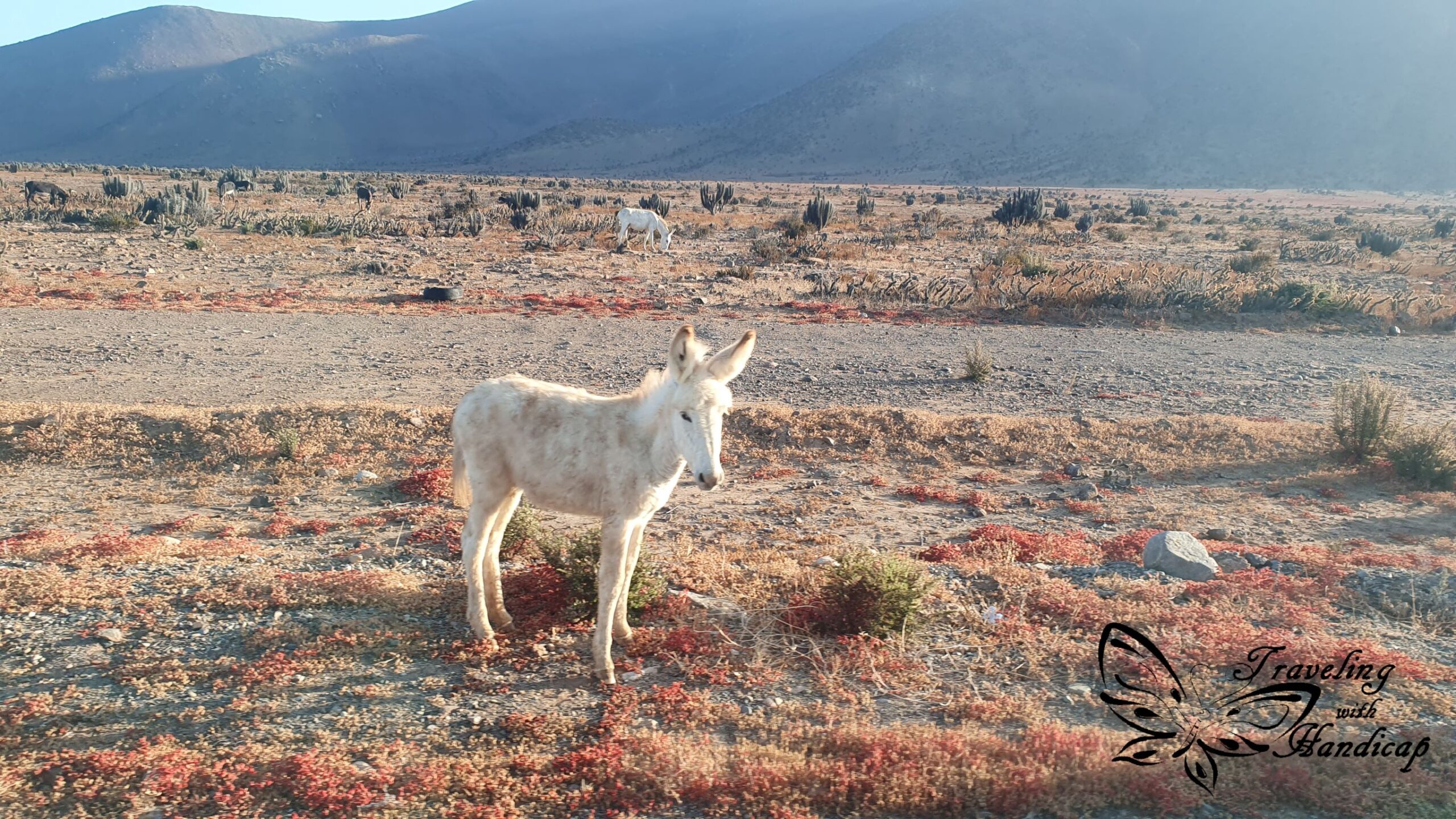
The natural region Norte Chico starts at the southern end of the Atacama desert reaching until a little north of Santiago (southern tip of the Region Atacáma, Coquímbo). It’s a semi-arid region receiving some precipitation during winter months but only small amounts during the rest of the year. Winter rains and melt-water from the Andes supply the rivers in the region with water, although the flow rate varies depending on the season. Many coastal areas and valleys obtain specific micro-climate enabling zones of temperate rainforest. The most famous is the valley of Elqui. Almost all of the Chilean Pisco is produced in this area. Thanks to the dry air and low cloud cover, some areas are excellent for astronomic observatories.
Visited places
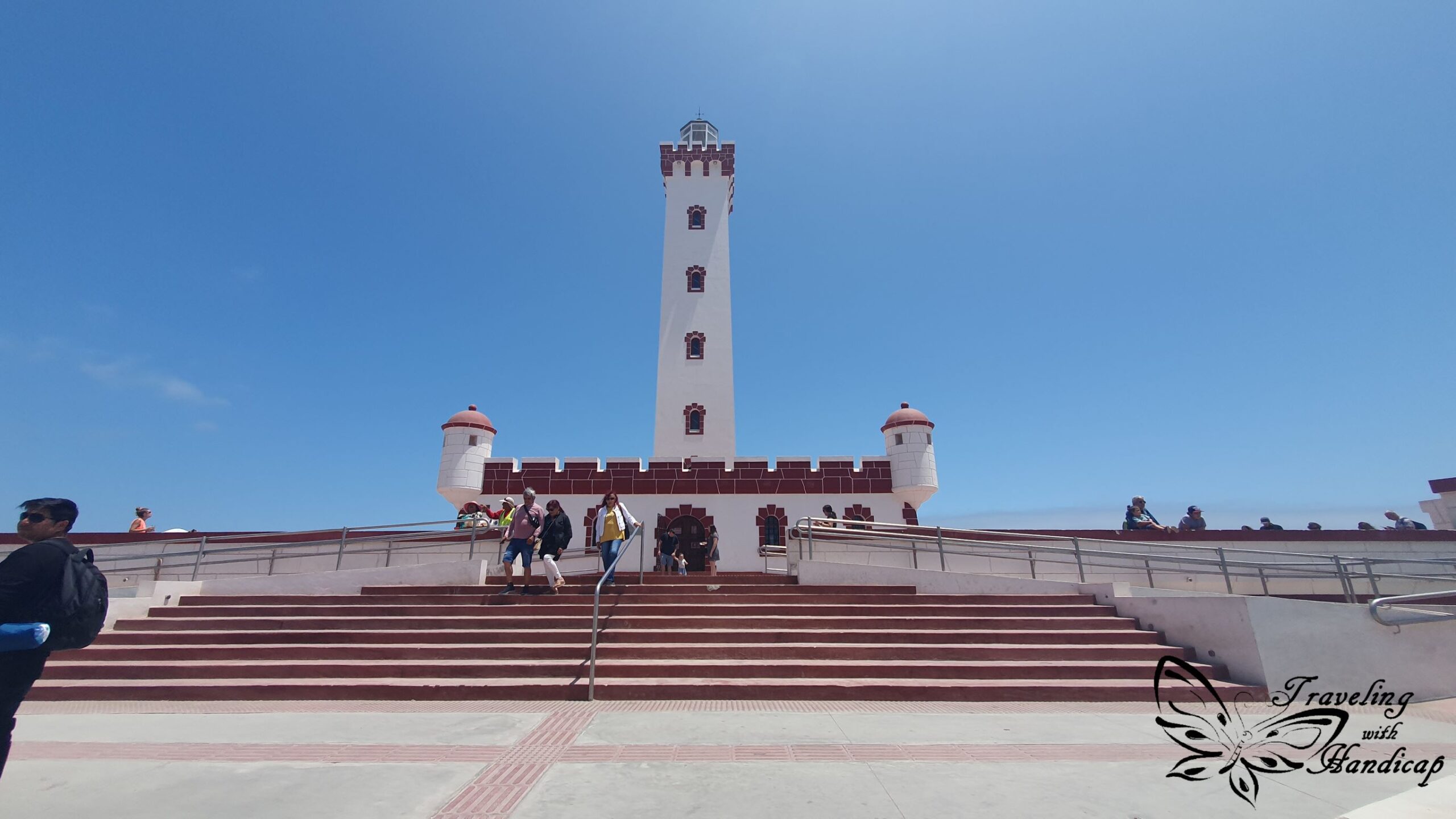
- La Serena: charming coast city with recognizable Andalusian influence, the better city for richer people compared to the neighbor-city Coquimbo, great market, starting point for the Valle del Elqui
- Coquimbo: harbor and worker’s city next to La Serena, rather rude people and not really touristic
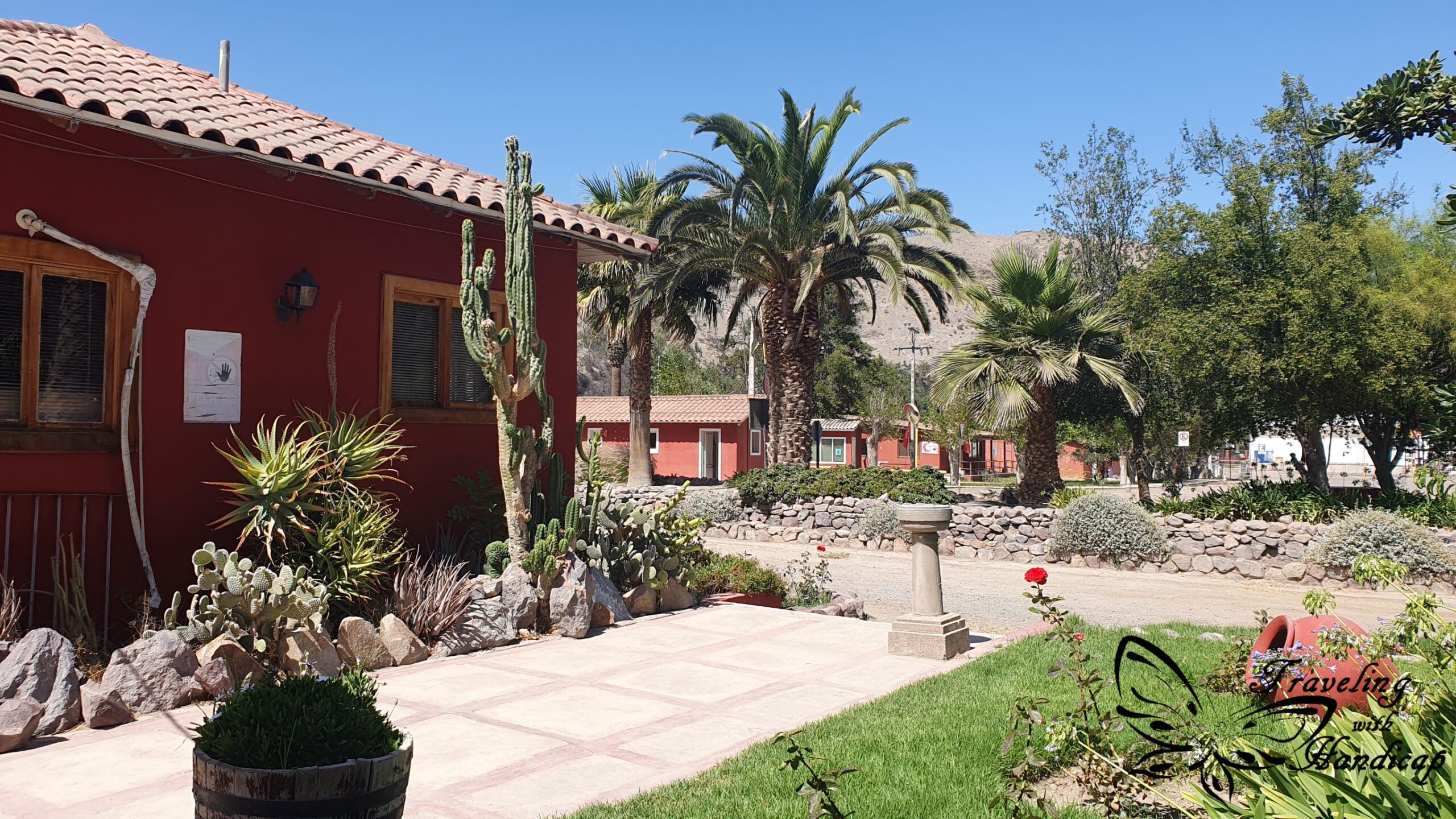
- Valle del Elqui: valley accessible from La Serena with many villages that have a certain Andalusian touch like La Serena, too many cool fruits grow there, excellent stargazing (even for tourists), amazing landscape
- Vicuña: busy village in the Valle del Elqui with hotels and pisco tasting opportunities
- Pisco Elqui: tiny cute and hip village far into the Valle del Elqui surrounded by enormous Andes
- Punta de Choros & Caleta Chañaral: access point for whale watching tours and the Isla Choros
Zona Central
The large majority of Chileans lives in the zona central containing the cities of Santiago, Valparaíso and Concepción. The Chilean central valley lies between the coastal range (“Cordillera de la Costa”) and the Andes. Its climate is temperate mediterranean, the water level in its rivers increases drastically when taking in all the melt water from the Andes. Currently, the following political regions belong to the zona central: Valparaíso, Santiago, Libertador General Bernardo O’Higgins, Maule, Ñuble, and Biobío.
Visited places
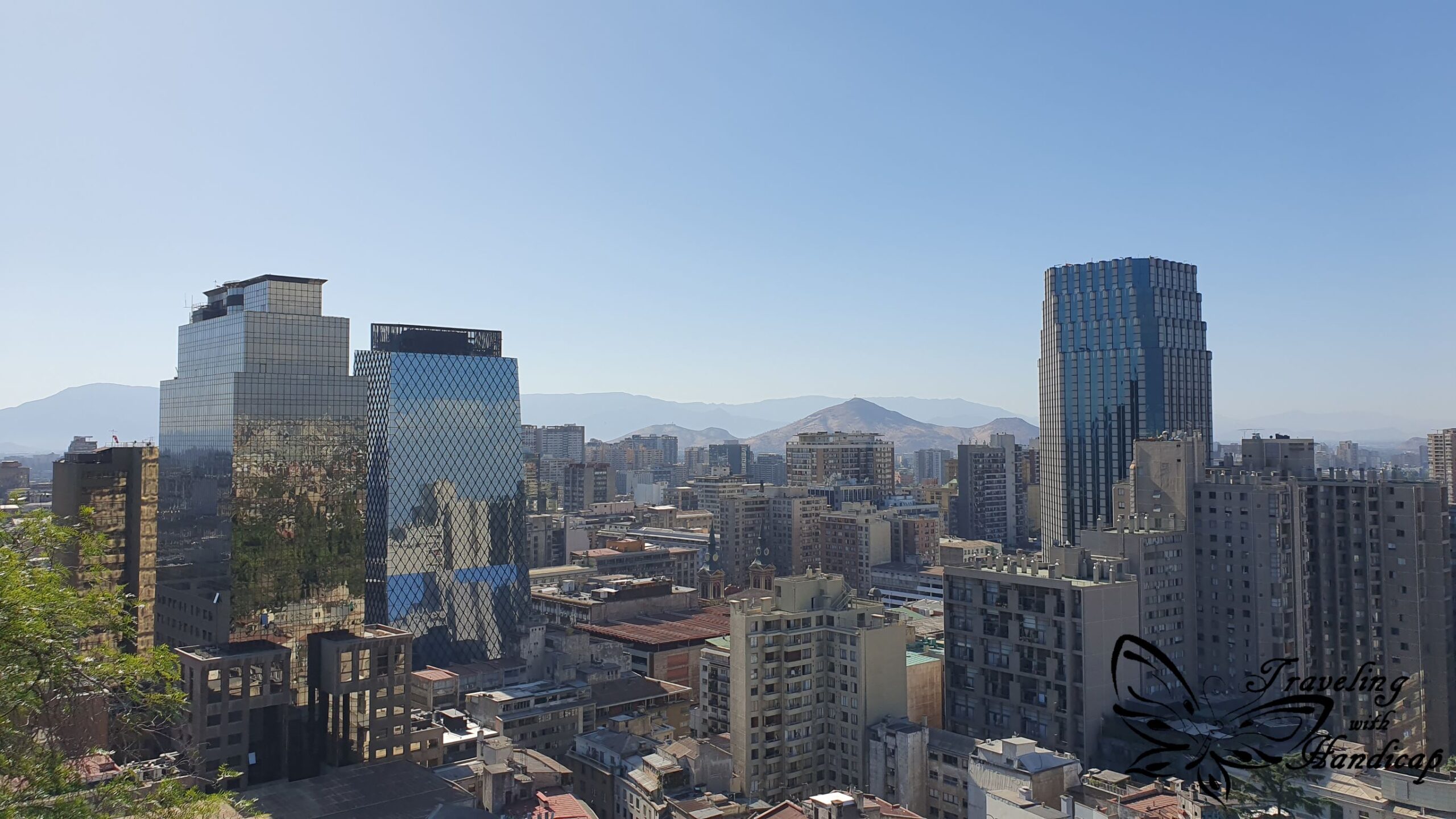
- Santiago de Chile: busy capital, not all quarters are safe to stay but in the center possible to explore by yourself
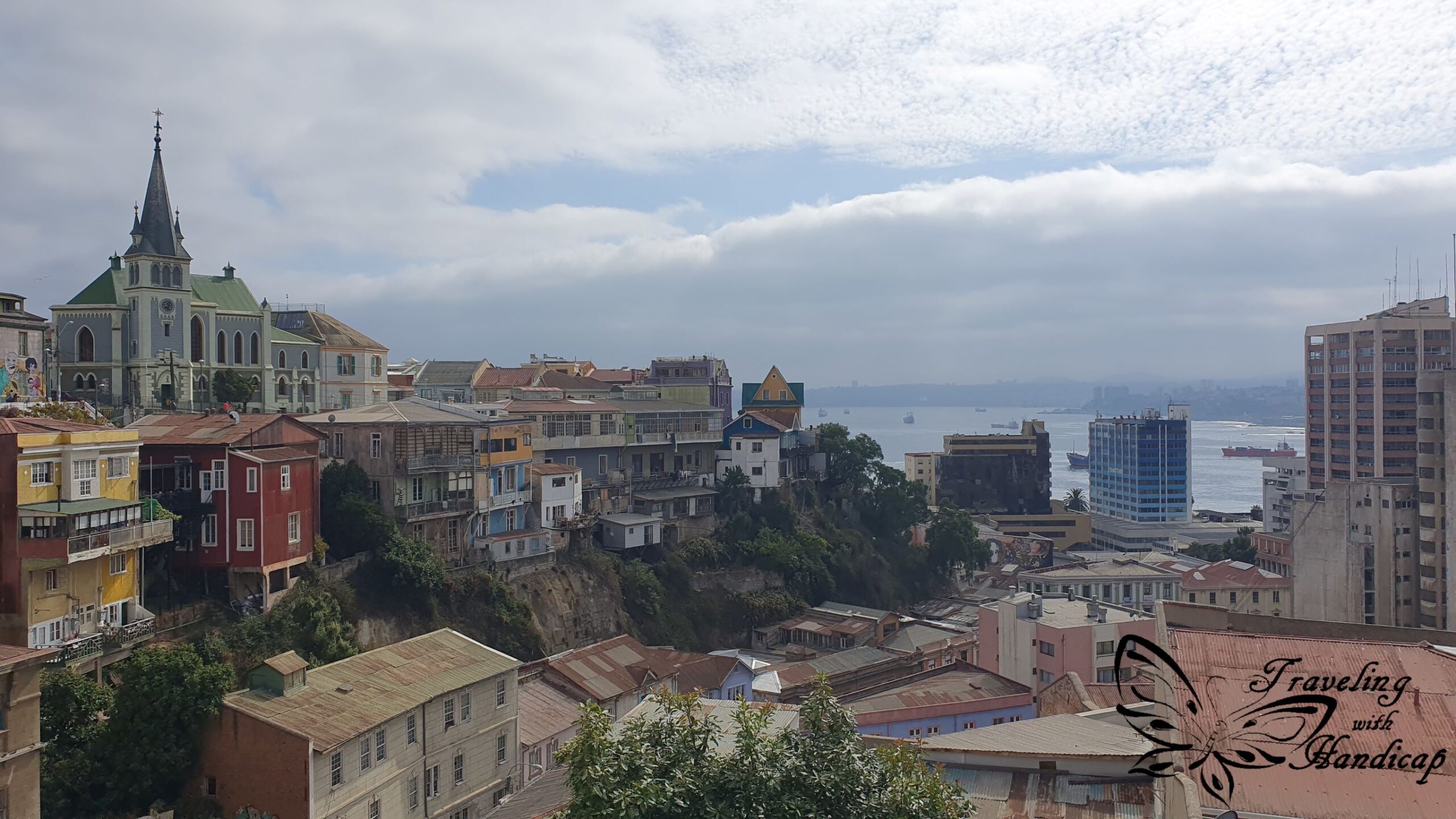
- Valparaíso: the hippie coast city close to Santiago, big harbor, certain areas are safe four tourists, others should better be avoided
- Viña del Mar: fancy coast city that is mainly built for the better holidays of richer inland people, poor housing a bit more inland
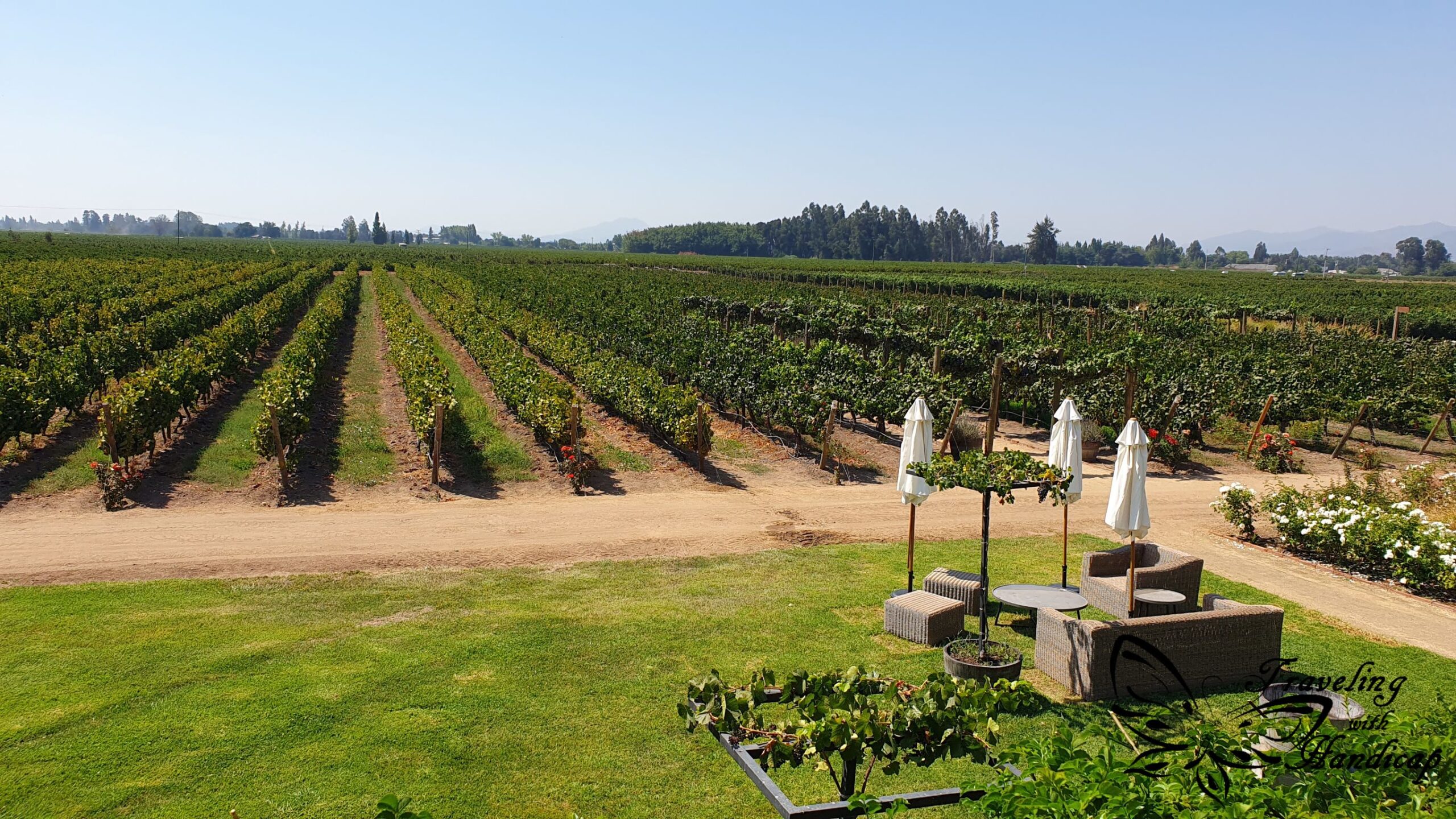
- Santa Cruz: small town in the wine-region south of Santiago, amazing cultural-historic museum, great wine-tasting options
- Ruta 60 (Crossing from Chile to Argentina): amazing scenic route crossing the Andes, one of the best crossings I have done throughout the whole trip
Zona Sur
The region contains approximately the political regions de la Araucanía, de los Ríos and de los Lagos. The important larger cities of the region are Temuco, Valdivia and Puerto Montt. Its climate is characterized by periodic winter precipitation and warm, temperate temperatures. Evergreen forests and meadows predominate, the temperate rainforest native to this area is called the Valdivian Rainforest. The central valley is a fertile region and the agricultural heartland of Chile.
Visited places
- Valdivia: city with German origin consisting of hip, historic, modern and industrial parts, warmer compared to Patagonia, good local buses to surrounding villages, local German beer festival (thanks to brewery located in Valdivia)
- Niebla: coastal village close to Valdivia, beaches where you can actually get into the water (yes it’s cold but not freezing) and spot dolphins
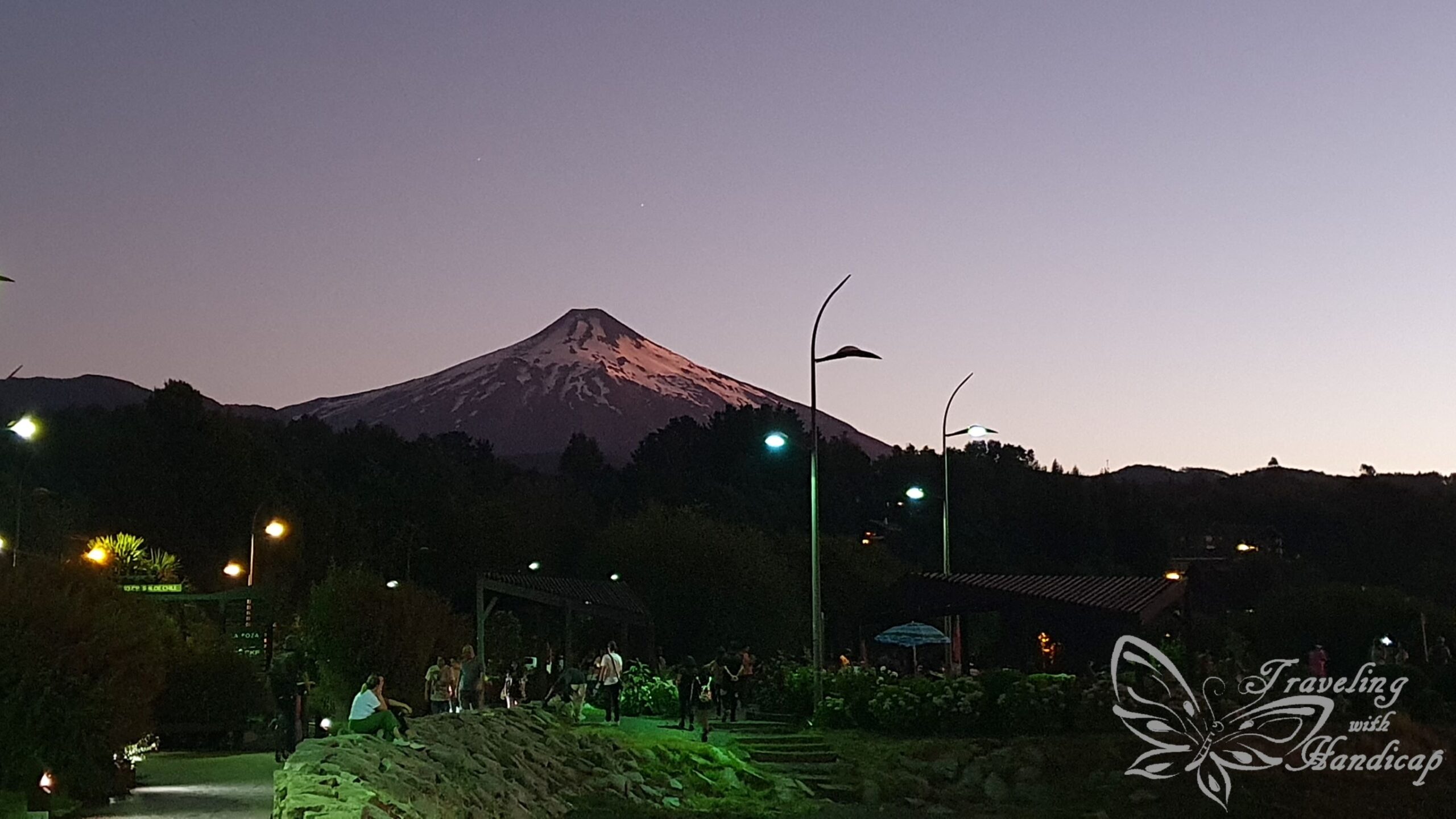
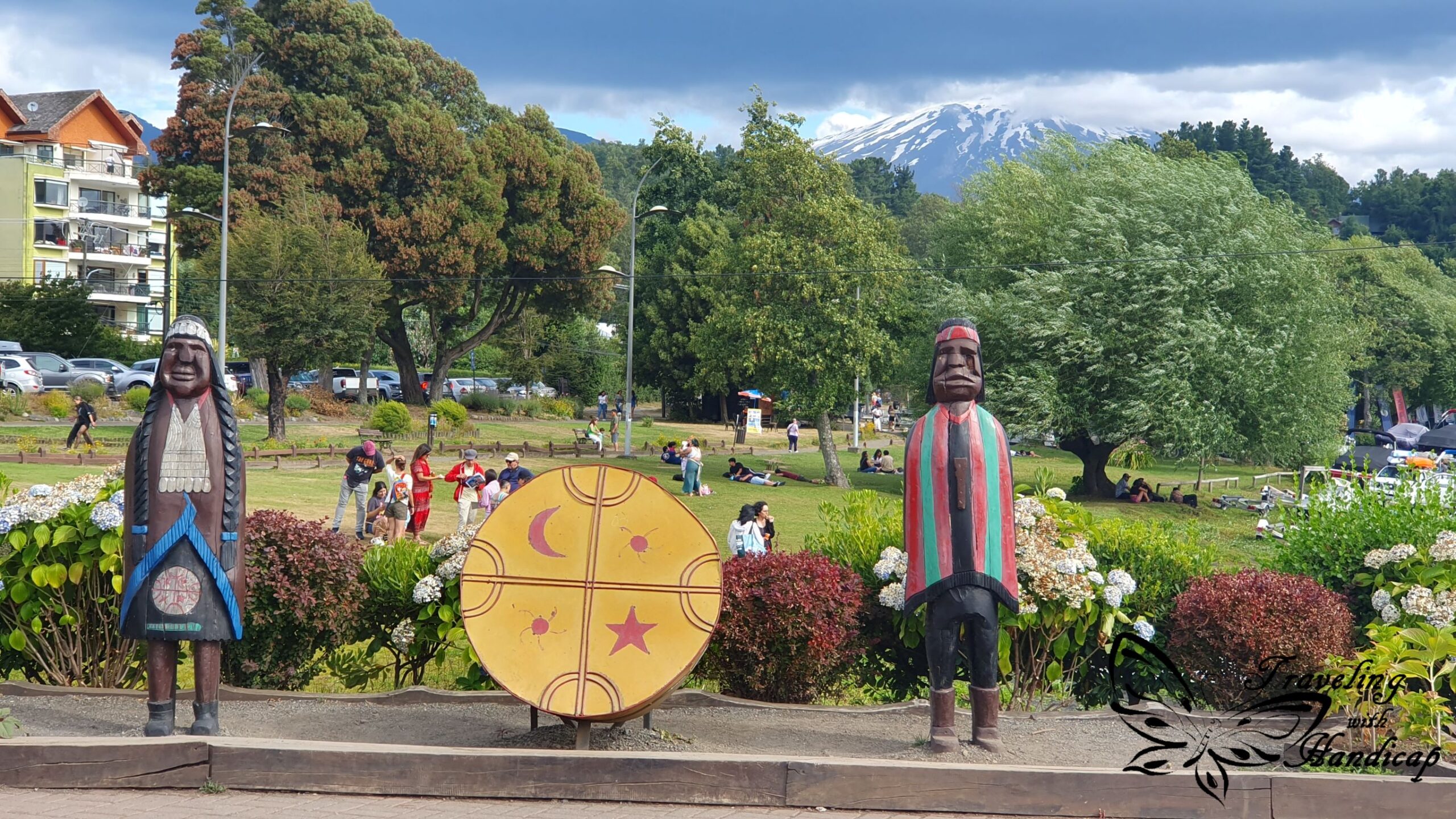
- Pucón: charming little village that is a preferred holiday destination for wealthy Chileans, located at Lago Villarica with volcano Villarica (partly active) just in its back, many different water-sport and hiking opportunities as well as more fancy restaurants
- Playa Blanca Caburgua: Caburga is a small charming village at the Lago Caburgua accessible from Pucón by local bus, more quiet if a break of Pucón is needed
- Termas Geometricas: thermal baths that can be visited from Pucón (driver/tour required since the route is too off-road for normal cars or big buses)
- Puerto Montt: transport hub at the northern tip of Patagonia, the only place in Chilean Patagonia where you need to be really careful of your belongings and better don’t go out in the dark
- Puerto Varas: beautiful city with German roots (architecture and people) at the Lago Llanquihue, starting point for exploring the lakes region
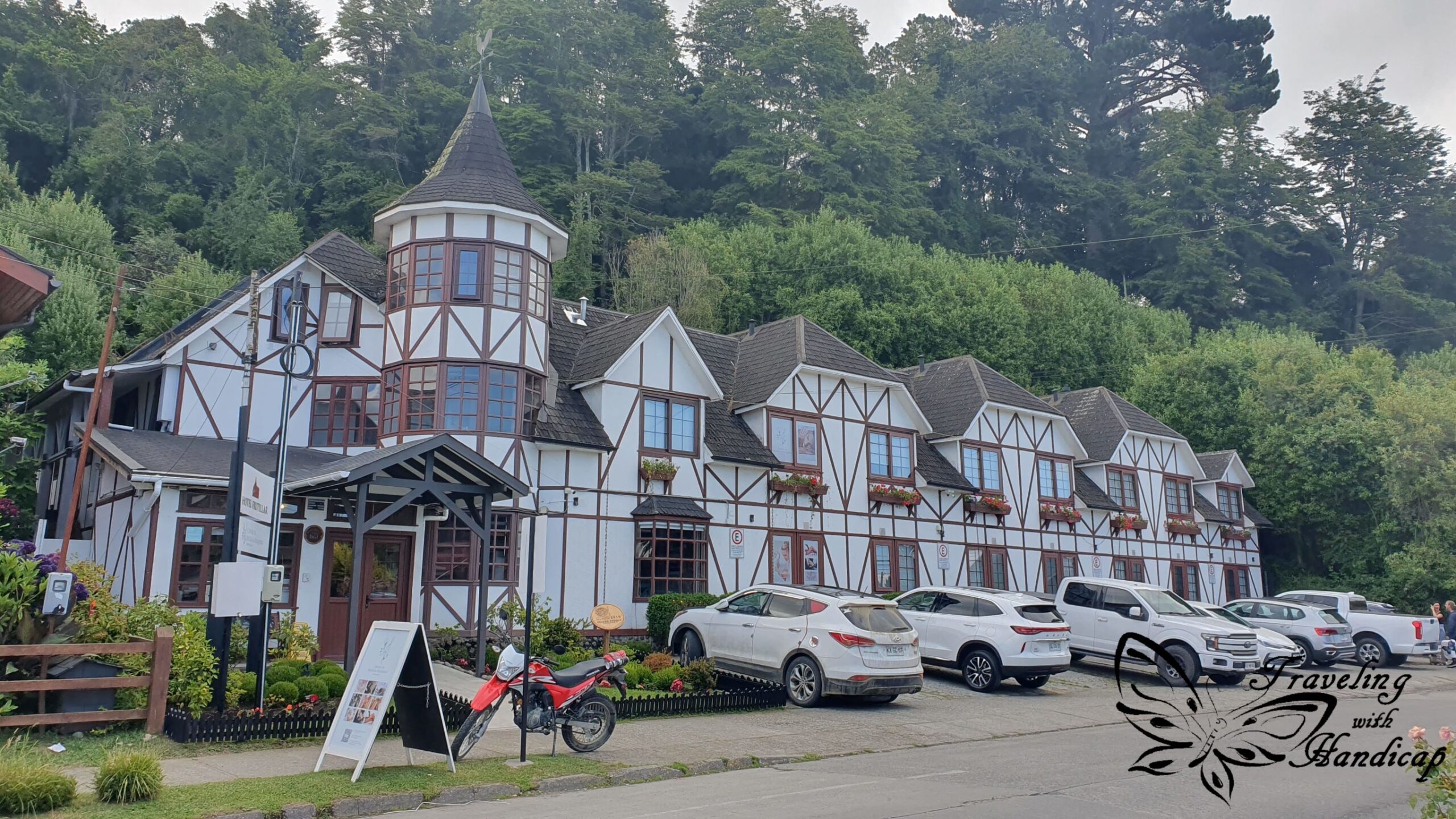
- Frutillar: Frutillar bajo consisting of many German buildings in a beautiful location at Lago Llanquihue, very touristic
- Puerto Octay: small and charming place at Lago Llanquihue
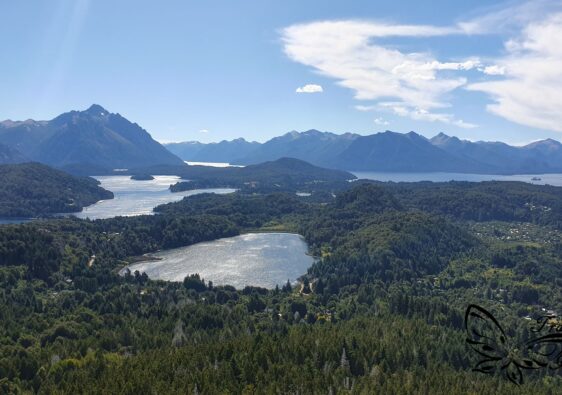
- Petrohue: small and charming village at the Lago Todos los Santos with the Mount Tronador in the background marking the border to Argentina, waterfalls nearby with view on Osorno volcano, access point to Osorno hikes
- Puyehue: small village at Lago Rupanco
- Entre Lagos: town at Lago Puyehue, located at the border between the lakes and the rivers regions as well as along the route from Osorno towards the Argentinean border crossing towards Bariloche
- Osorno: agricultural town where you still experience these roots by visiting the local markets in the center, many natural products available
Zona Austral
This region contains the Chilean part of Patagonia, the Isle of Chiloé as well as the Chilean part of the Tierra del Fuegoo. It is mountainous and forested, and its coastline is rugged and full of islands. Its climate is subpolar oceanic containing Magellanic subpolar forests and Patagonian grasslands. Fjords crisscross the Andes containing two ice sheets and several glacial lakes. Traveling the zona Austral is more expensive since it’s popular with international tourists and nothing really grows in the region so that it needs to be imported. It’s also the safest region of mainland Chile with respect to theft and such things.
Visited places
- Quellón: southernmost tip, one end of the Panamericana
- Yaldad: little harbor with a view, possible to start certain hikes in the region
- Cucao: tiny village close to the beautiful lake Lago Cucao
- Muelle de las Almas: reachable from Cucao by car, nice walk through wet forest to a scenic viewpoint
- Conchi: charming little village
- Necrón: charming little village with interesting church and cemetery
- Castro: town with history, interesting to explore
- Quemchi: little harbor town
- Ancud: town on the northern end of Chiloé with some historic places
- Chile Chico: small and cute western-style village, the border town at the Lake General Carrera towards Argentina, connected to the Carretera Austral by a dirt road with amazing views and only rare and spontaneous minibus connections, ferry across the lake towards the closest airport
- Lago General Carrera: biggest lake of Chile having a different name on Argentinean side (well…) with amazing rock formations
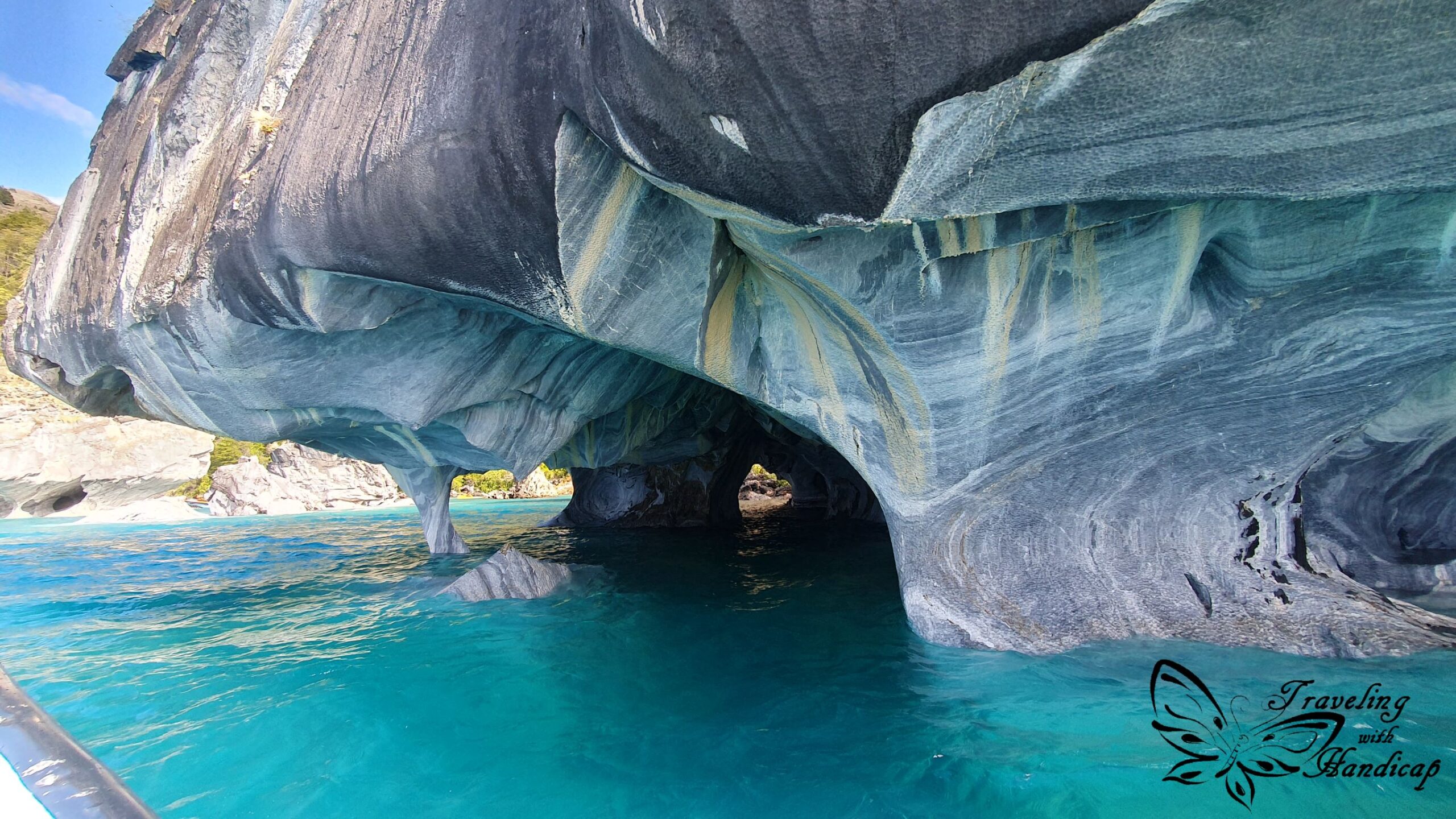
- Puerto Río Tranquilo: Little village along the Carretera Austral and the first town that is accessible through a round-trip without a dead end (all the way from Puerto Rio Tranquilo towards Villa O’Higgins is a road you need to drive back all the way), access point for boats to the marble caves on the lake (very beautiful)
- Puerto Sánchez: accessible from Puerto Río Tranquilo by boat, very small village that even has its own school
- Coyhaique: busy town with very low air quality due to given natural barriers and zones, western-style
- Puerto Aysén: charming village reachable from Coyhaique, German history easily recognizable by the architecture of many wooden buildings, short distance from Puerto Chacabuco as ferry access point to the fjords
- Puyuhuapi: tiny and charming village at the end of a fjord, amazing nature, German history (architecture), access point for Queulat National Park
- Queulat National Park: Ventisquero Queulat is an amazing hike to Waterfalls from Glaciers, reachable through a hike through some rainforest
- Chaitén: Access point for ferries to the southern tip of the Isla Grande de Chiloé, once destroyed by a volcano in recent years and mostly rebuilt
- Punta Arenas: the busy capital of southern Patagonia, surprisingly accessible, bus service to the whole region including connections to Argentina
- Estancia San Gregorio: little estancia with history on the way from Punta Arenas to the Magallanes Channel ferry
- Puerto Natales: the charming tourist hub for Torres del Paine, hotels to be selected carefully with respect to European standards (local standards might be weird)
- Torres del Paine National Park: amazing National Park, accessible by bus from Puerto Natales, careful pre-booking of campsites for any hikes is required approximately half a year in advance – either expensive (and rare) inter-park shuttle-bus, car or tour required to get around or to places where a multi-day hike can start
- Porvenir: the charming little capital of Chilean Tierra del Fuego, accessible from Punta Arenas by direct ferry
- Magallanes Channel: interesting to cross by ferry, especially knowing about the history of Magallanes
- Parque Estomatolitos: natural specialty since Stromatolites are only found on very rare locations
- Cerro Sombrero: village founded in 1958 as a residential and services center for the national Petroleum Company (ENAM) consisting of over 150 dwellings, a gym, swimming pool, bowling alley, botanical garden, movie theater, church, hospital, warehouses, supermarket, restaurant, lodgings and gas station
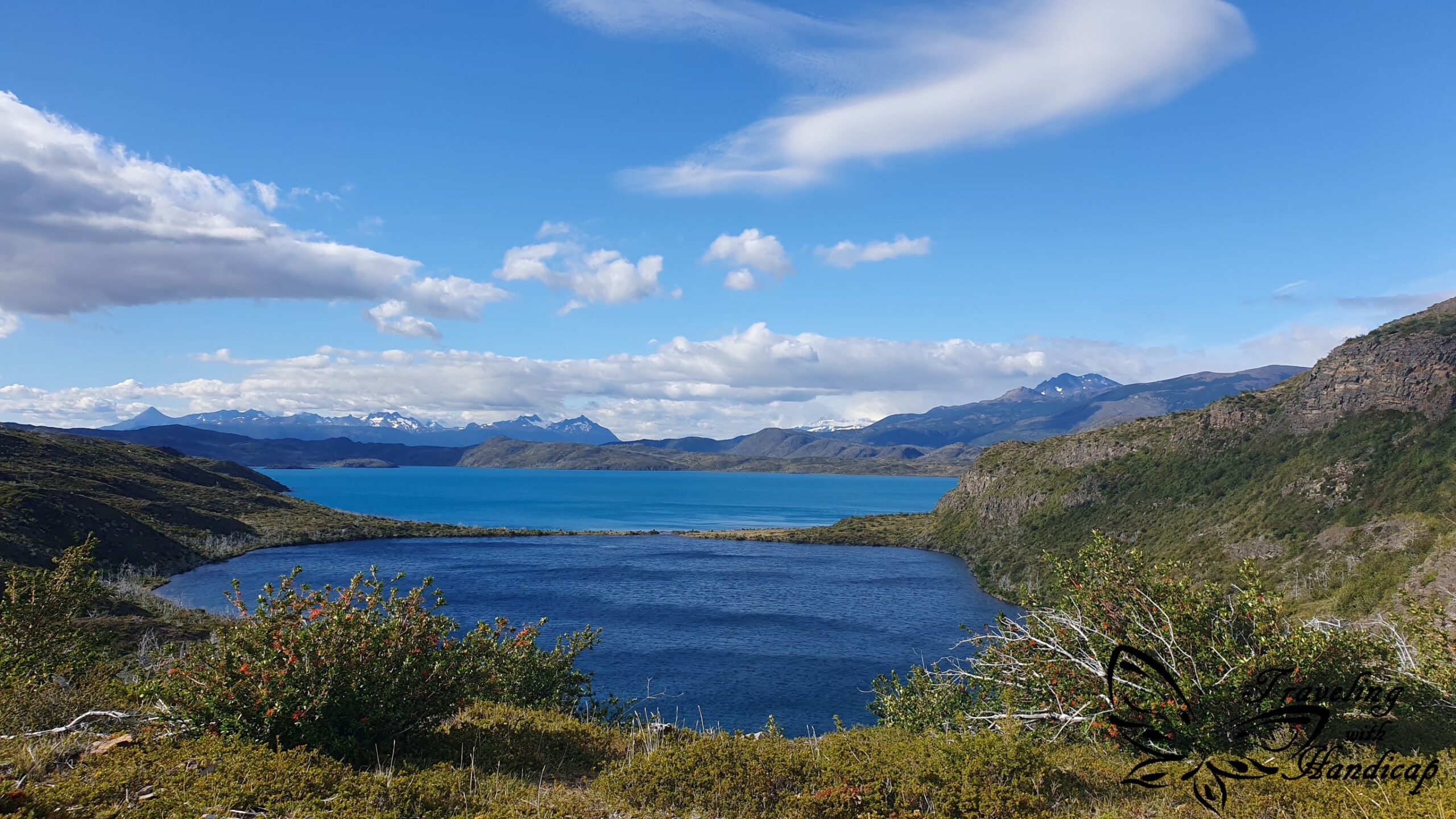
Further recommendations
One thing that I am still curious about (and might plan to do in another trip) is taking the ferry from Puerto Natales to Caleta Yungay. Along the way, I would like to stay in Villa Puerto Eden and take the next ferry towards Tortel for another stop. In general, I might organize another trip in a way to be able to visit the following places.
- Villa Puerto Edén: tiny village located on Isla Wellington, there is almost nothing but getting there requires taking the ferry from Puerto Natales and the view while passing through Bernardo O’Higgins National Park (fjords and islands) might be amazing
- Tortel: tiny village located in the southern fjords close to Río Baker, mainly accessible by ferry (or maybe dirt road if it’s drivable, from Puerto Alegre close to Villa O’Higgins)
- Cochrane: located south of Puerto Río Tranquilo on the way to Villa O’Higgins, beautiful hiking area
- Villa O’Higgins: end of the Carretera Austral, only properly reachable by car
- Villa Cerro Castillo: small village in the Aysen region on the way to Coyhaique, hiking Cerro Castillo
- Villa Amengual: tiny village with options to stay, access point for Laguna de Las Torres
- Futaleufú: located in the higher Andes, close to the Argentinean border (Trevelin), green region, known for river rafting and hiking
- Hornopirén: close to Puerto Montt, access point for Hornopirén National Park with hiking opportunities
- Cochamó: small village at the Estero Reloncavi fjord with hiking opportunities
Rapa Nui (Easter Island)
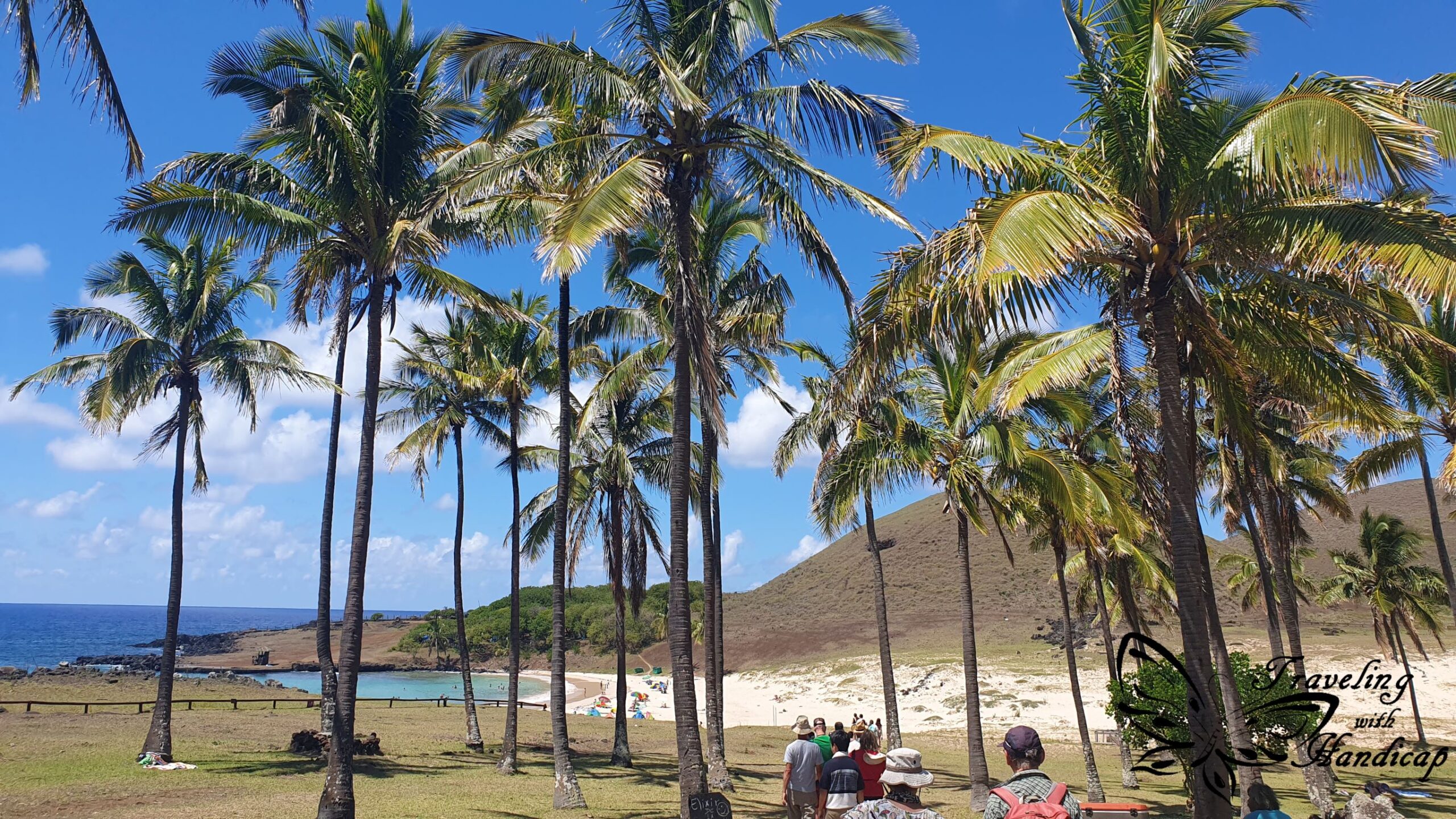
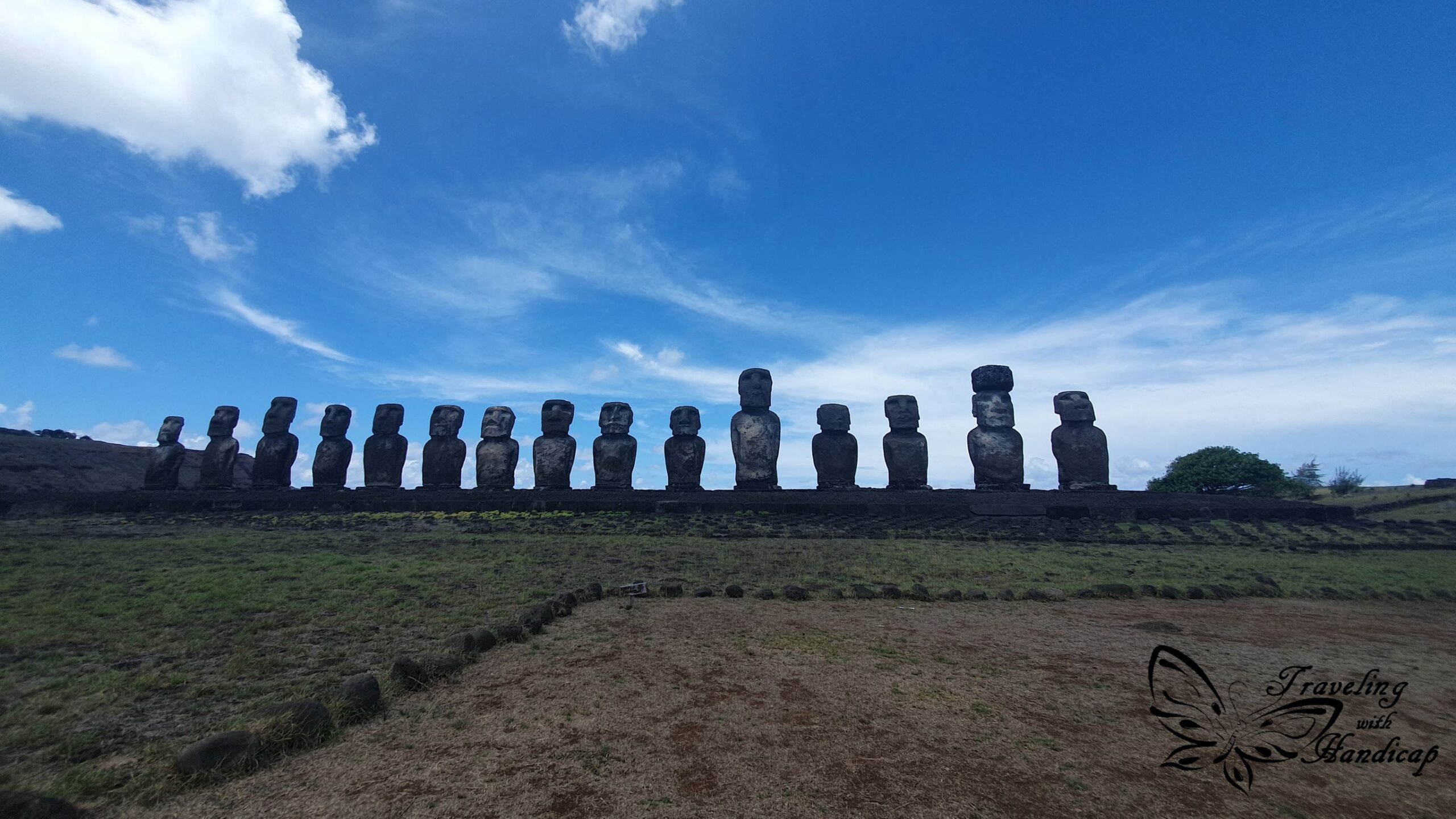
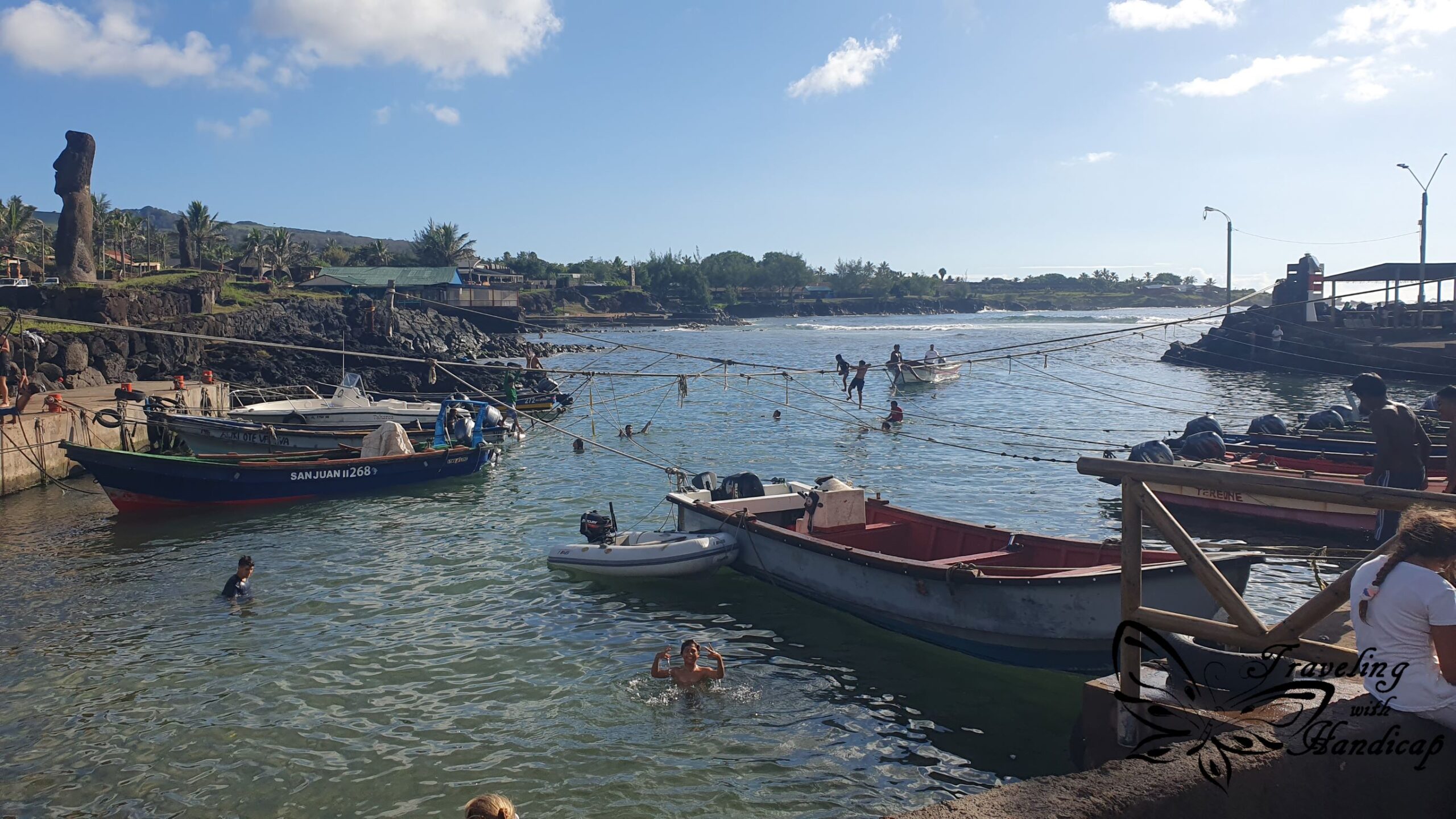
Easter Island is both naturally and culturally completely different from mainland Chile. Especially since it’s part of Polynesia. Easter Island is really small and it’s easy to visit the whole island in one go. There are a few specifica that you need to be aware of. First of all, you need to check the most recent regulation regarding possible National Park fees and which places you are allowed to visit without a guide. As this might change, I can’t give a dedicated recommendation.
Before Corona hit, there were direct flights from both Tahiti (French Polynesia) and Santiago de Chile. However, after Corona restrictions were reduced for Rapa Nui (much too late in my opinion), the only available flight was the daily connection to Santiago. Therefore, you need to carefully plan your route if you want to visit Easter Island. On the island, it’s convenient to do one or the other tour for the places that you need to have a guide for. For your remaining time, you might rent a car for a day or two or go diving.
More information on Rapa Nui is found on the specific post.
Accessibility
Overall I was positively surprised about the level of accessibility in Chile, it was higher than expected. There is legislation enforcing certain minimum accessibility standards such as that any public building needs to be accessible. Without such legislation, nobody would care – as you see in Germany. Overall, Chileans were stricter with reduced access fees for people with disabilities as they allowed reduced fees only for Chilean people. Nevertheless, discussing any issues that were due to accessibility contexts were never a big deal and people were really helpful whenever I requested certain assistance. Overall, you need to know some Spanish (Chilean Spanish in the best case, as the accent is quite different from usual Catalan) to be able to mention your requests since the English level mostly isn’t sufficient to understand such topics.
To be honest, many places are not accessible easily and you need some help. Still, people were quite helpful and I had a much better experience than in Argentina for example. There, I didn’t have to pay National Park entrance fees but getting anywhere was a struggle as the walking-paths were crap and often there were only stairs. Also the people of Argentina were really unfriendly whenever you requested some help as in “take care of your own business and don’t bother me with your nonsense”. Therefore, Chile is a quite pleasant country to explore even with certain physical restrictions.
Getting around in Chile
Chile is “thin” and large, a very long country. As such, you have to consider long distances between your destinations. At the time when I visited Chile, I was allowed to stay in the country for up to 3 months during a period of 6 months – and this amount of time was just sufficient for all the places that I visited. As such, you carefully need to consider which places you want to see and how to get around. Most of the domestic flights are in/out of Santiago, however, there are a few exceptions. This needs to be checked when planning the route if larger distances need to be covered within a short period of time.
Transportation
Especially north of Santiago, long distance buses are the mode of transportation to choose if you want to see more places than only San Pedro de Atacama. The distances are just too large for self-driving and also the landscapes are not really worth the effort. Moreover, the streets are typically not of the highest standard since so many heavy mining trucks pass through. The Valle del Elqui is easily reachable from La Serena by local buses, there are also different tour options available. The border crossing to Argentina at any point is more convenient by bus since the rutes through the Andes are not the easiest to drive, very scenic, and buses don’t have to queue in the car-line at the border.
Around Santiago, streets are usually of good quality, but as the majority of people lives in this region, there is plenty of public transport available. As such, renting a car is not necessary. In some areas, you may even rent a bike to cycle around and explore. Only if you want to continue down south, crossing the whole Zona Sur, you may be able to stop at many smaller locations that are not reachable by bus on a regular schedule.
Zona Sur and Zona Austral are a bit different. In this area, a car is convenient until approximately Villa O’Higgins (the southern end of the Carretera Austral). Hitchhiking is very common in that region as well. There are buses, but those are difficult to make reservations, don’t run on regular schedule etc. As such, relying on public transport options requires a certain level of flexibility. Due to the many fjords, you need to take a lot of ferries which need to be pre-booked in advance if you rent a car – buses always get on the ferry, no need to worry. Around Puerto Natales, Punta Arenas and Tierra del Fuego, you don’t necessarily need a car as there are not many places apart from those bigger towns that are connected by long distance buses. If you consider taking the ferry through the fjords from/into Puerto Natales, you might have your car already or you simply walk on by foot. This ferry also needs to be pre-booked as the route is not available every day. Typically, you fly into Punta Arenas or Puerto Natales and get around by public transport from here. For the Carretera Austral you typically rent a car around Puerto Montt.
Just keep in mind that taxis don’t have any fixed rate in Chile. They can tell you any price (which is mostly a lot over the top). Apart from Puerto Natales (where the taxi prices are fixed rates that need to be visible on a sticker on the window), just always try to call an Uber – that’s more trustworthy and the prices are more realistic. I never trusted taxi drivers in Chile and was told to not trust them multiple times.
Accommodation
There are plenty of different options, on any standard, across Chile. In smaller places, you typically don’t find any hotels or hostels, just some Bed and Breakfasts that are somehow linked to or in the house of the owner. Within any bigger city, it is advisable to check the quarters regarding safety for tourists and public transport access points before making a reservation. I personally didn’t stay at places without proper lockers for more than a night as I wanted to avoid cleaning people to take things. This is why I felt a lot safer in hostels with proper lockers and all that.
Try to avoid booking platforms like booking if possible, since often, the rates on booking were like twice the original price (even as a “genius”) if you book directly. I assume this is due to high fees for the booking platforms. Most of the time, it was possible to text the numbers mentioned on maps and ask for availability and the price. Most of the time, it was sufficient to agree on something via a messenger and pay the agreed price upon arrival.
In terms of days, I mostly tried to make reservations for two days and asked for extensions if I liked the place and wanted to stay longer. Just during specific important holidays like Easter, it’s advisable to pre-book early in advance and for the whole period.