
If you are waiting for someone to travel with you, you may end up waiting a lifetime.
Regions of Argentina
The provinces of Argentina are often grouped with respect to their geographical regions, approximately by:
- Pampas region: Buenos Aires, Córdoba, Santa Fe, La Pampa and Entre Ríos
- Argentine Northwest: Jujuy, Salta, Tucumán, Catamarca, Santiago del Estero and La Rioja
- Cuyo region: San Juan, Mendoza and San Luis
- Argentine Northeast: Misiones, Corrientes, Formosa and Chaco
- Eastern Patagonia: Río Negro, Neuquén, Chubut, Santa Cruz and Tierra del Fuego
Patagonia and Tierra del Fuego
Patagonia
The region of Patagonia consists of both the Andes region and a lot of pampa. While I didn’t visit any of the arid flatland region, I focused on the mountain region along the eastern Andes. El Calafate and El Chaltén obtain a certain western style and are heaven for hikers and nature lovers. You’ll find glaciers, glacier lakes, multi-day hikes and some of the most difficult climbs in the Andes (Fitz Roy). El Calafate has an airport so that it’s accessible on domestic routes from Buenos Aires. As such, it’s a popular destination for Buenos Aires people during hot summer months. There are not unlimited connecting buses, however, it’s possible to pick from a few different providers and check for the best rates.
I experienced an even higher rate of Argentinian tourists in Bariloche, most likely because it’s rather a hippie place. Nevertheless, traveling around Bariloche wasn’t as easy as in the south, since you would have to rent a car to explore the lakes region which is super expensive related to fees in other countries. Even though there are multiple hiking options in the Andes region around Bariloche, many are only accessible by car or specific expensive shuttle providers.


Tierra del Fuego
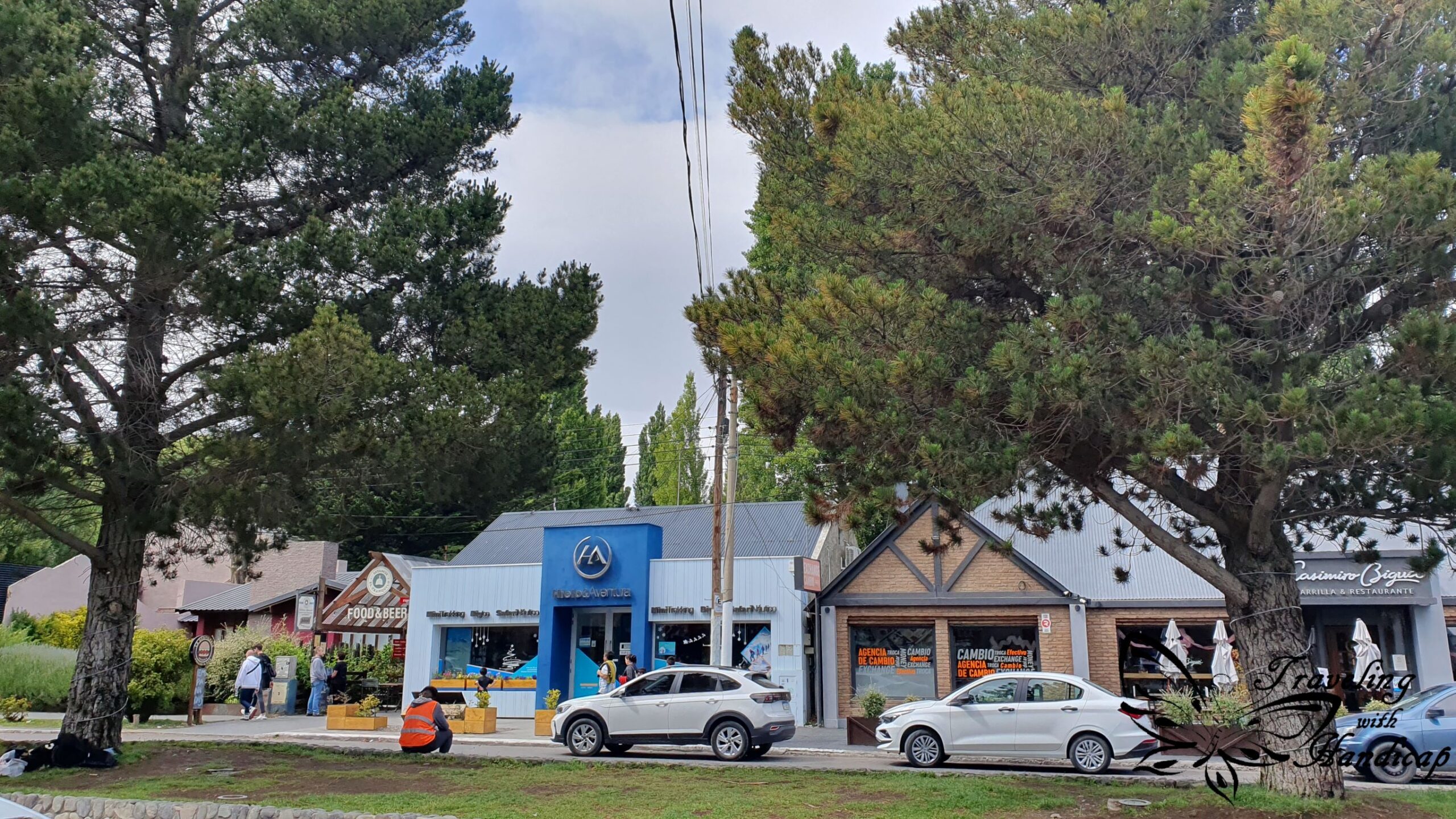
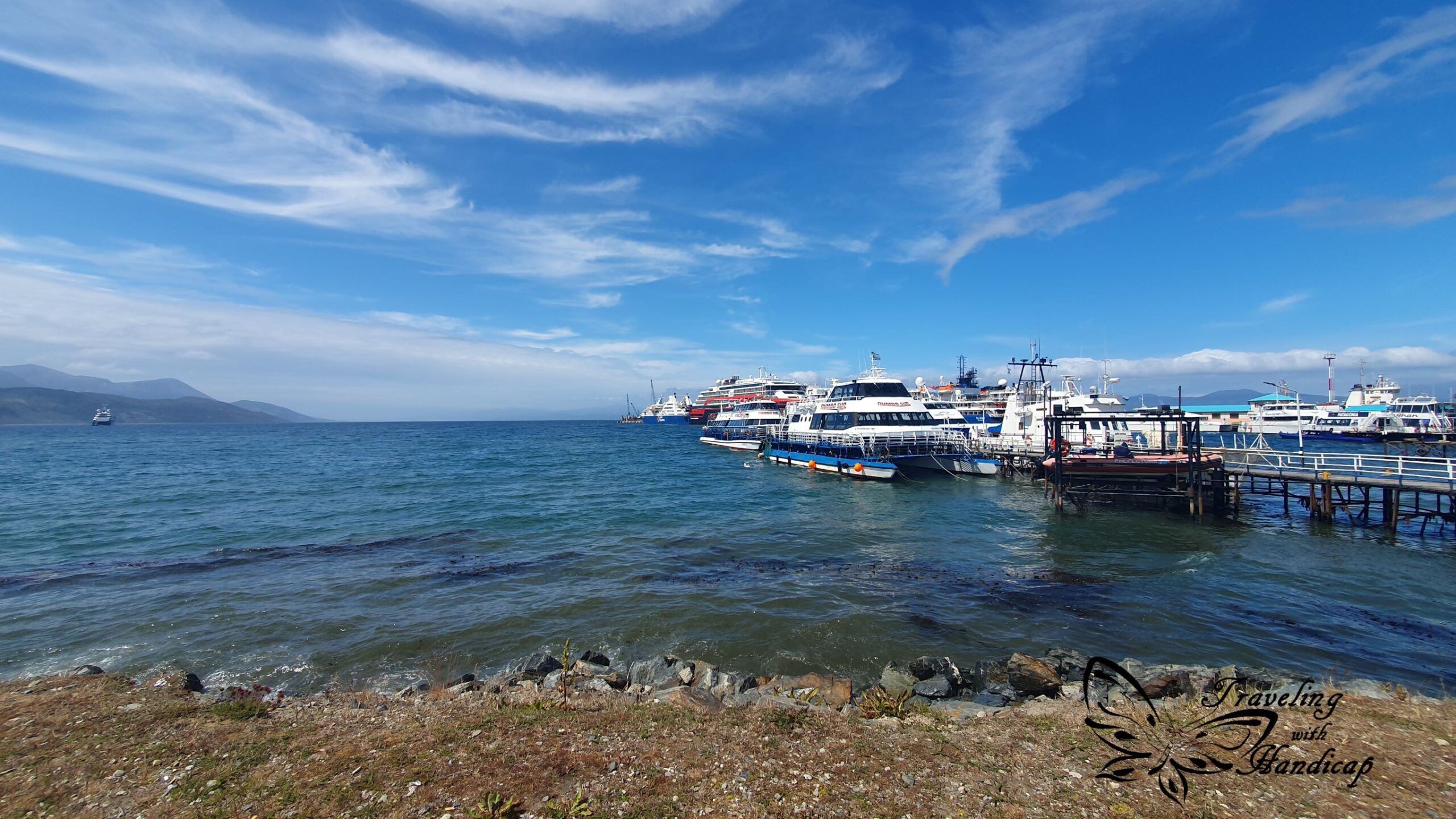
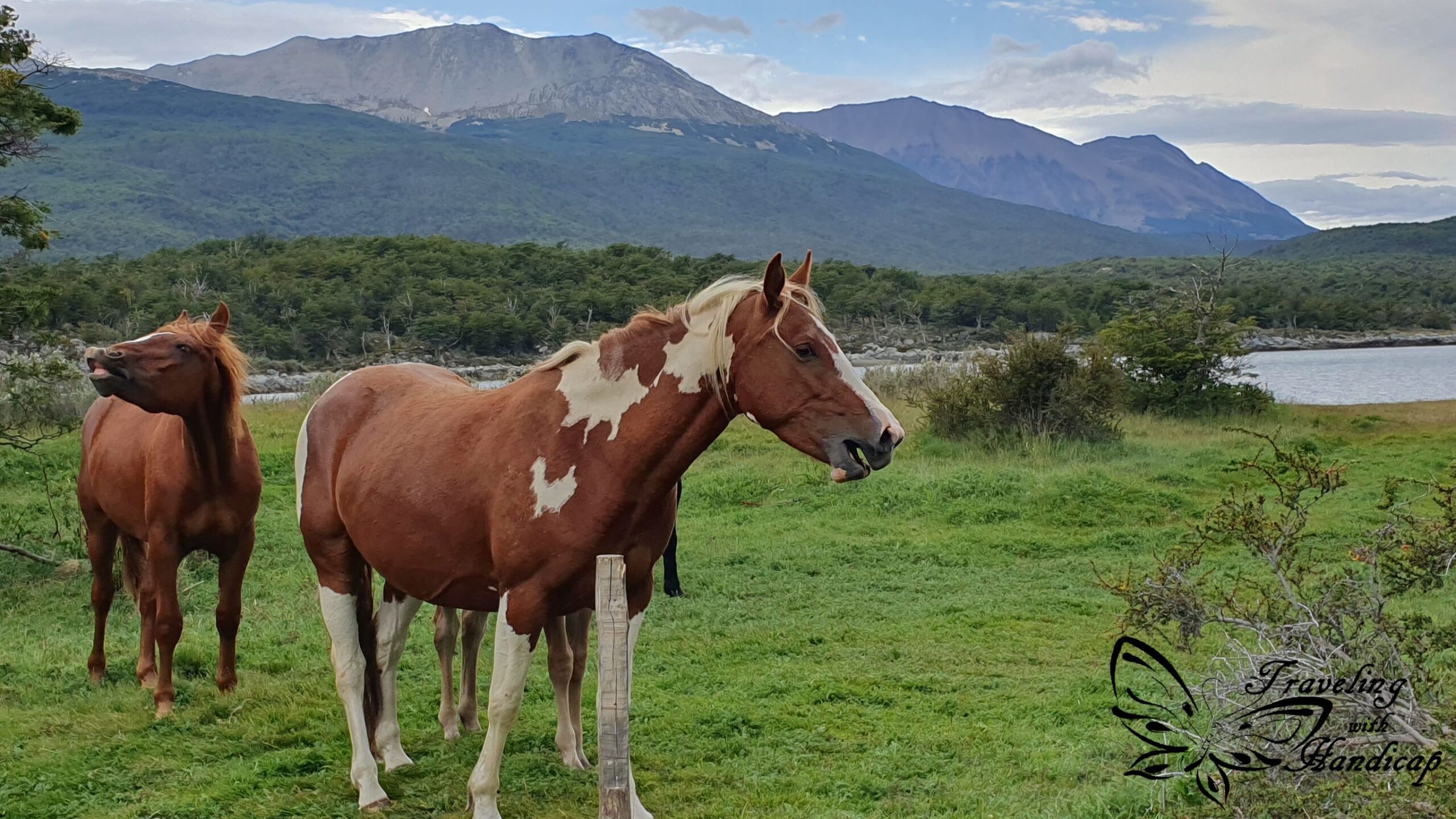
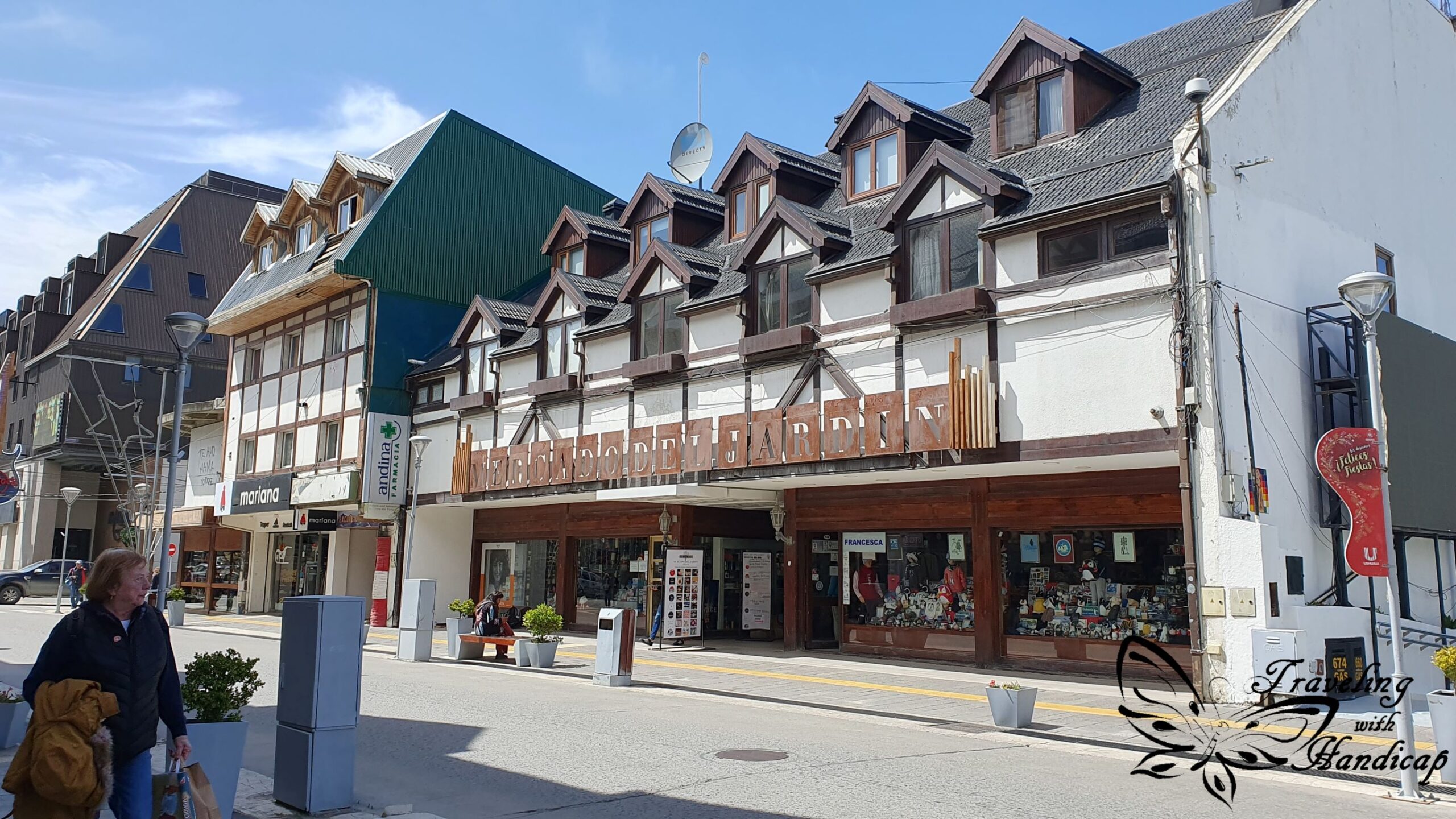
The Argentinean area of Tierra del Fuego consists of the eastern part following a straight line and excluding the Isla Navarino and more southern islands. Ushuaia claims to be the southernmost city, which is kinda true as Chilean Puerto Williams is located south of Ushuaia but doesn’t deserve the title of a “city”. Ushuaia by itself is bigger than expected, you’ll get everything you need – it’s not necessary to travel far (as nothing is nearby) to buy things. Nevertheless, there is an airport for domestic flights from Buenos Aires. The coastline around Ushuaia is very scenic, there are also plenty of hikes are available in the surrounding mountains.
Ushuaia is the gateway to Antarctica, since many cruises start from here. For sure, Antarctica would be interesting, however, even the local last minute prices for rather short cruises were incredibly high. As such, you need to carefully consider whether it’s worth the money. Everything is a little more expensive with respect to the rates in other regions of Argentine Patagonia, as many rich tourists come to jump on an expensive cruise towards Antarctica.
Pampas Region: Buenos Aires & Córdoba
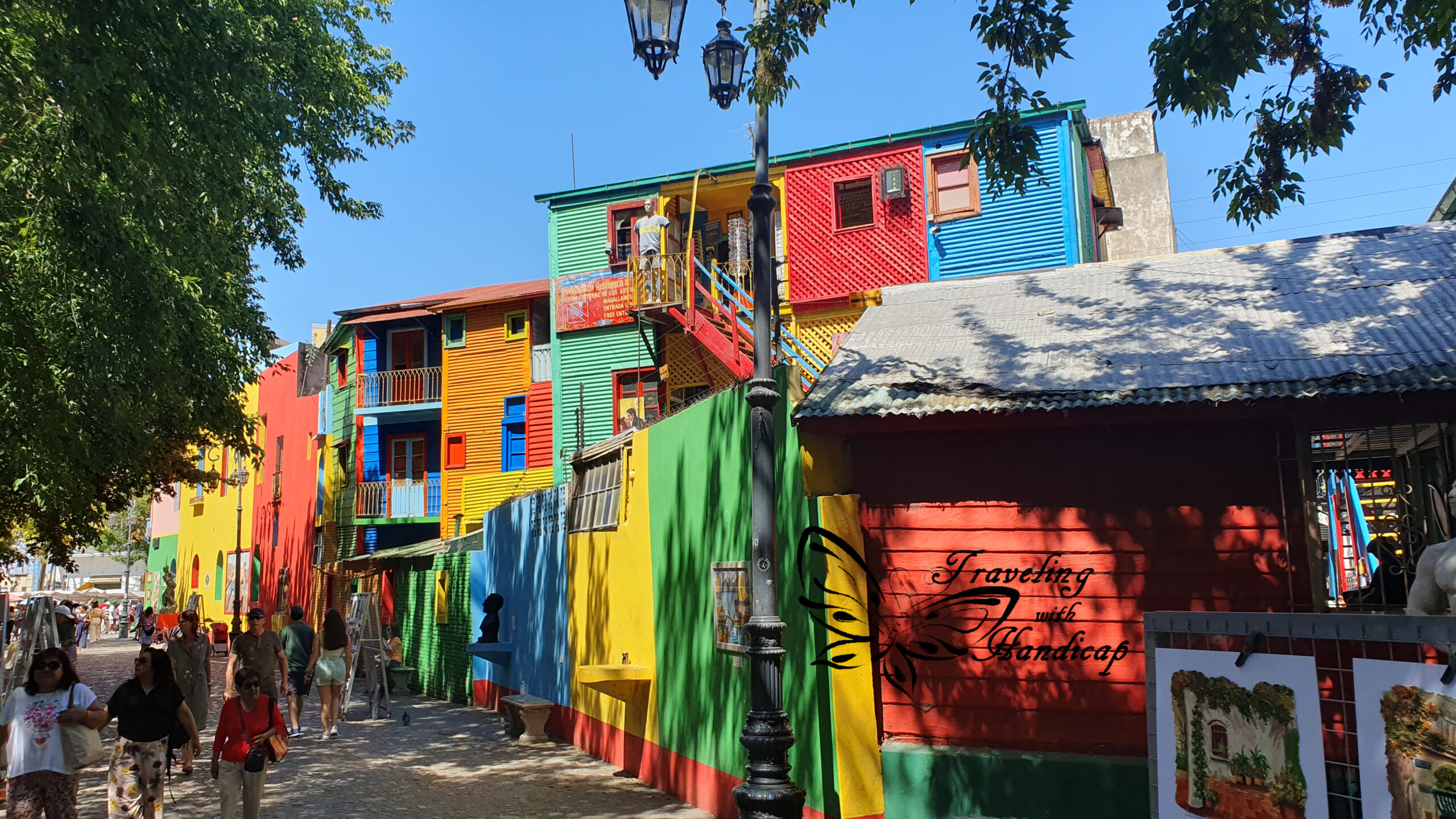
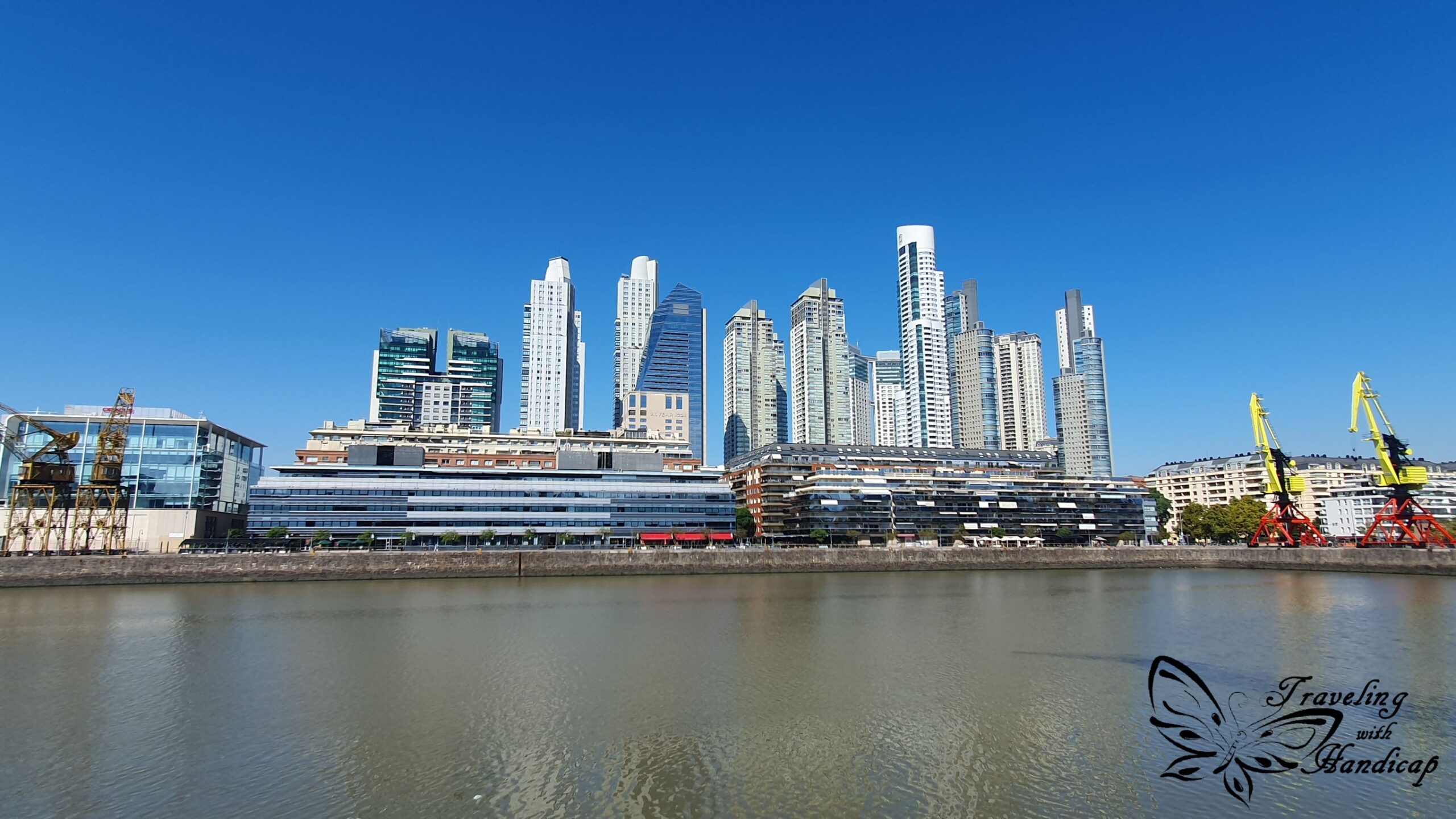
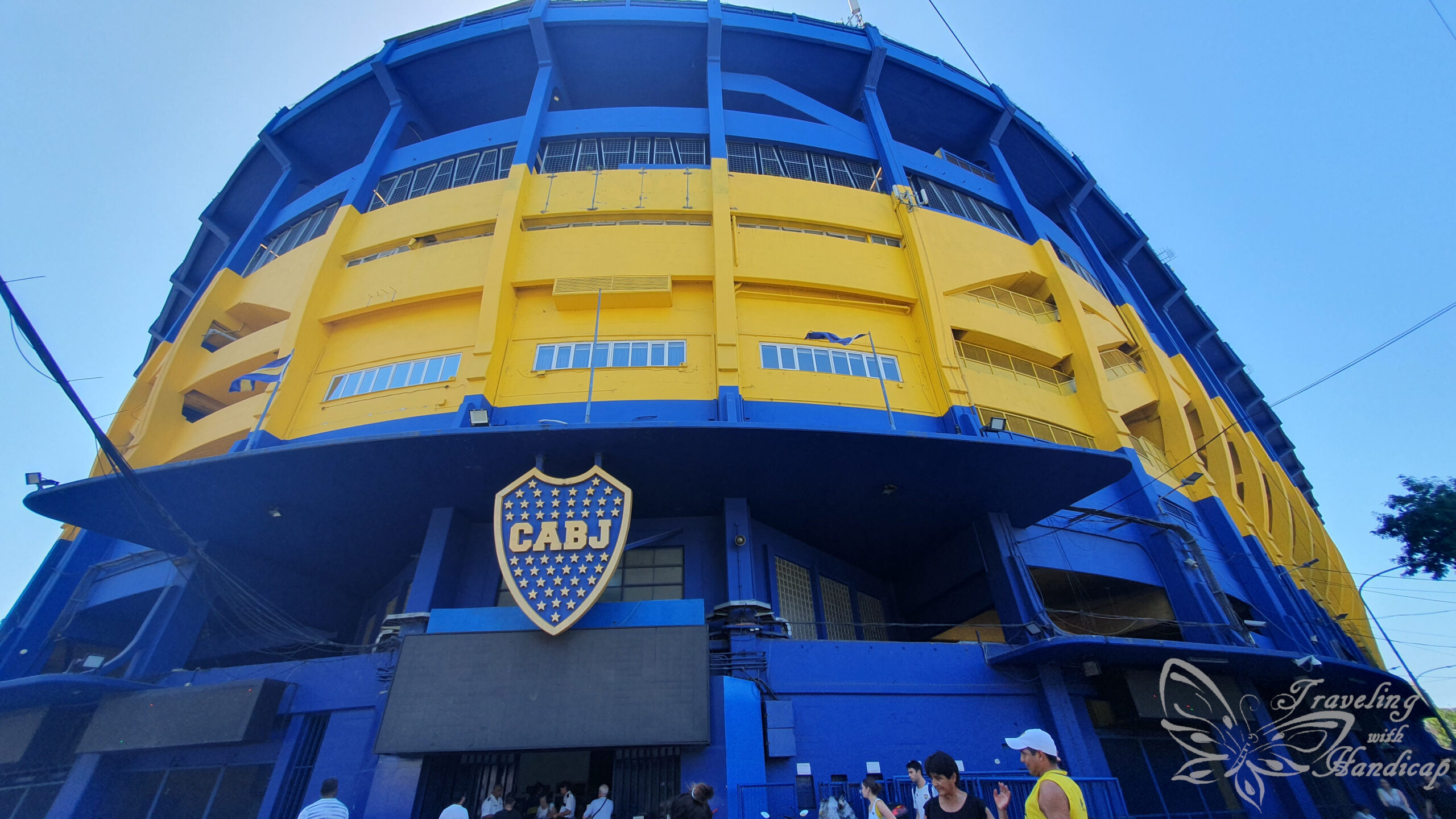
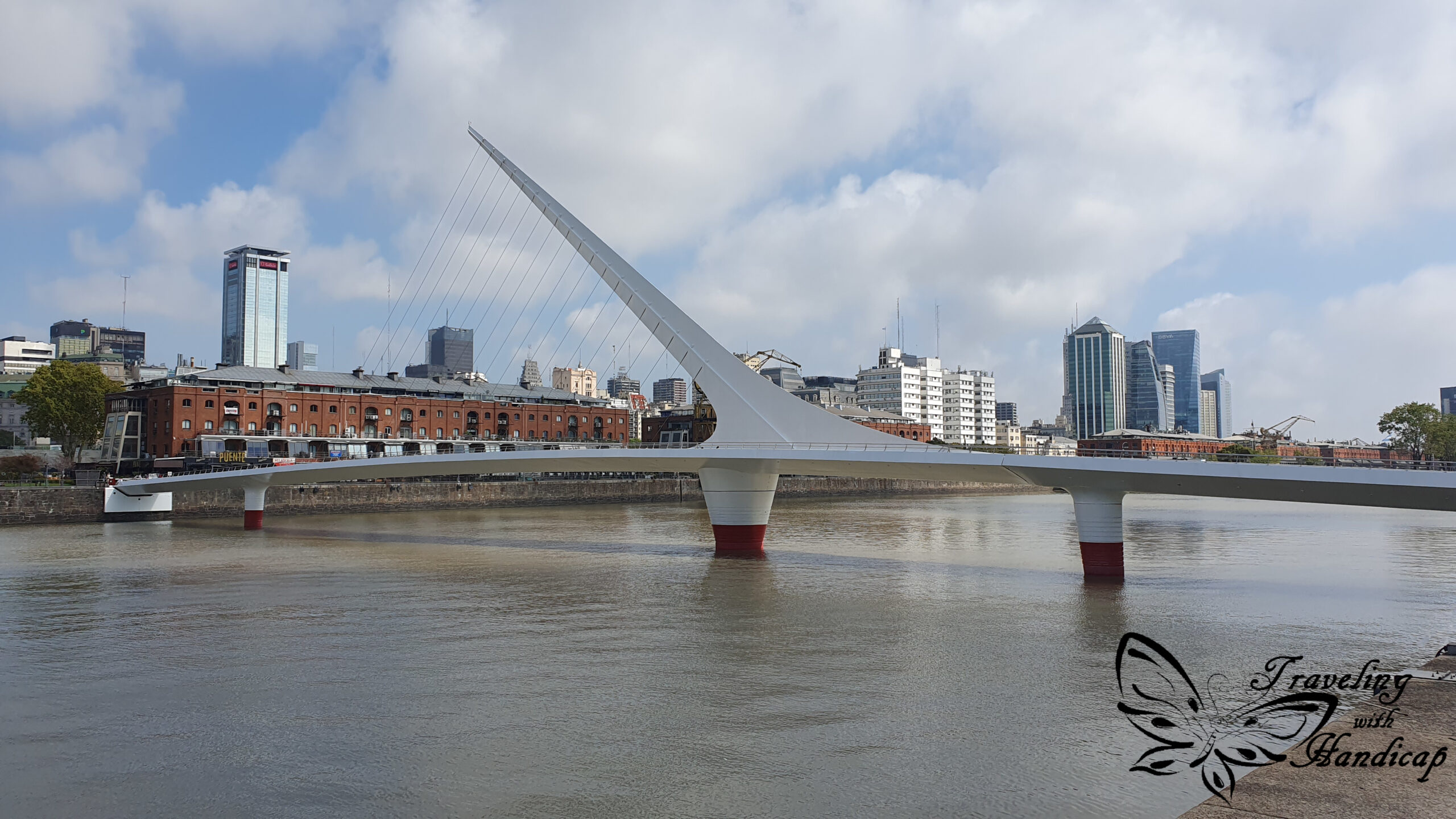
Buenos Aires is both light and shadow. Popular areas that are safe for tourists to visit as well as areas you should avoid at night and others to not even walk through during day-time. It’s best to invest a bit of planning to determine where you want your accommodation to be and how you want to get around to which places. La Boca for example is very famous, hip and especially important to be visited by football fans. However, it needs to be avoided during dark hours, especially since it’s quite some distance away from the central tourist areas. Public buses are the easiest way to get around almost all edges of Buenos Aires.
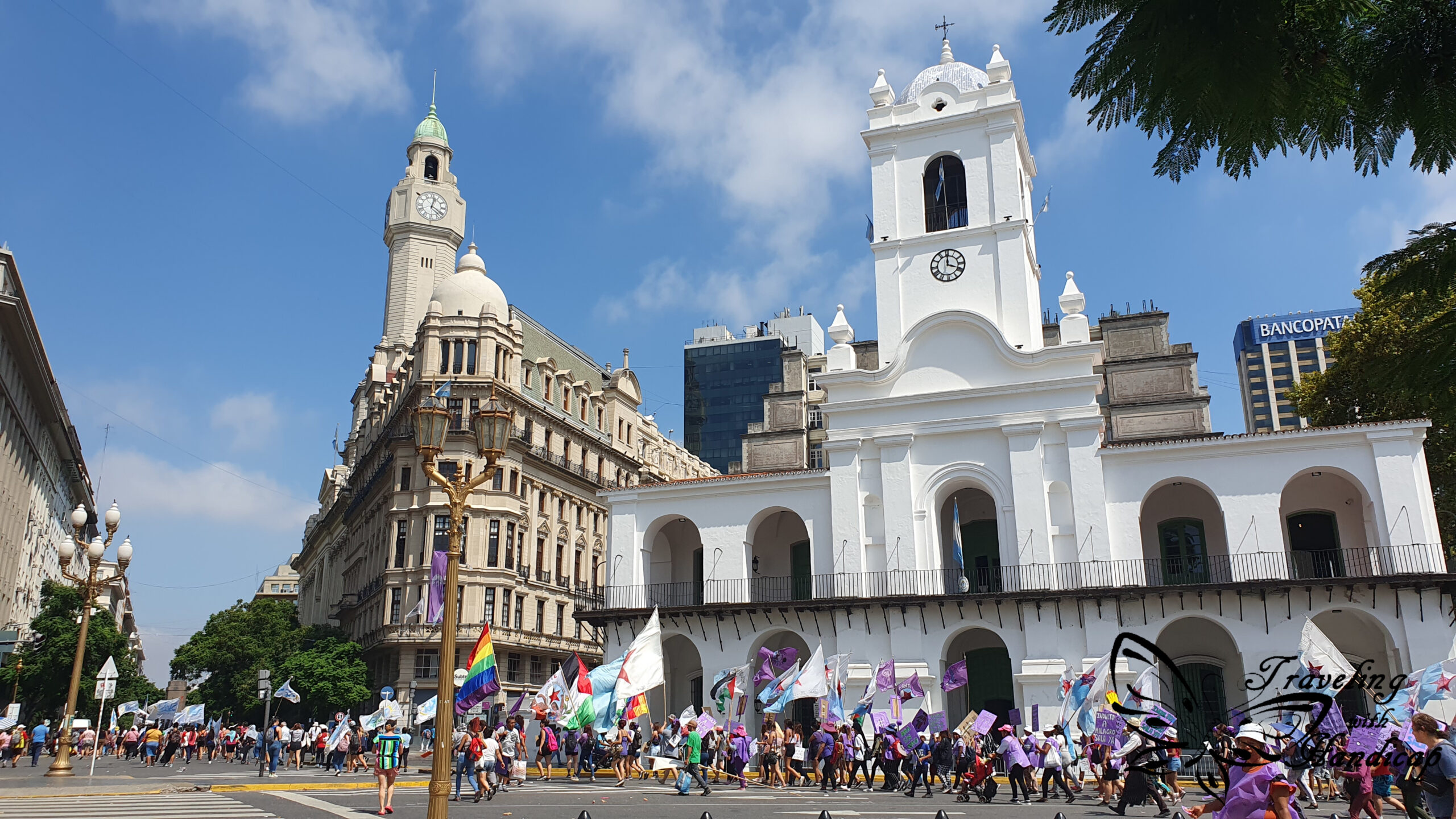
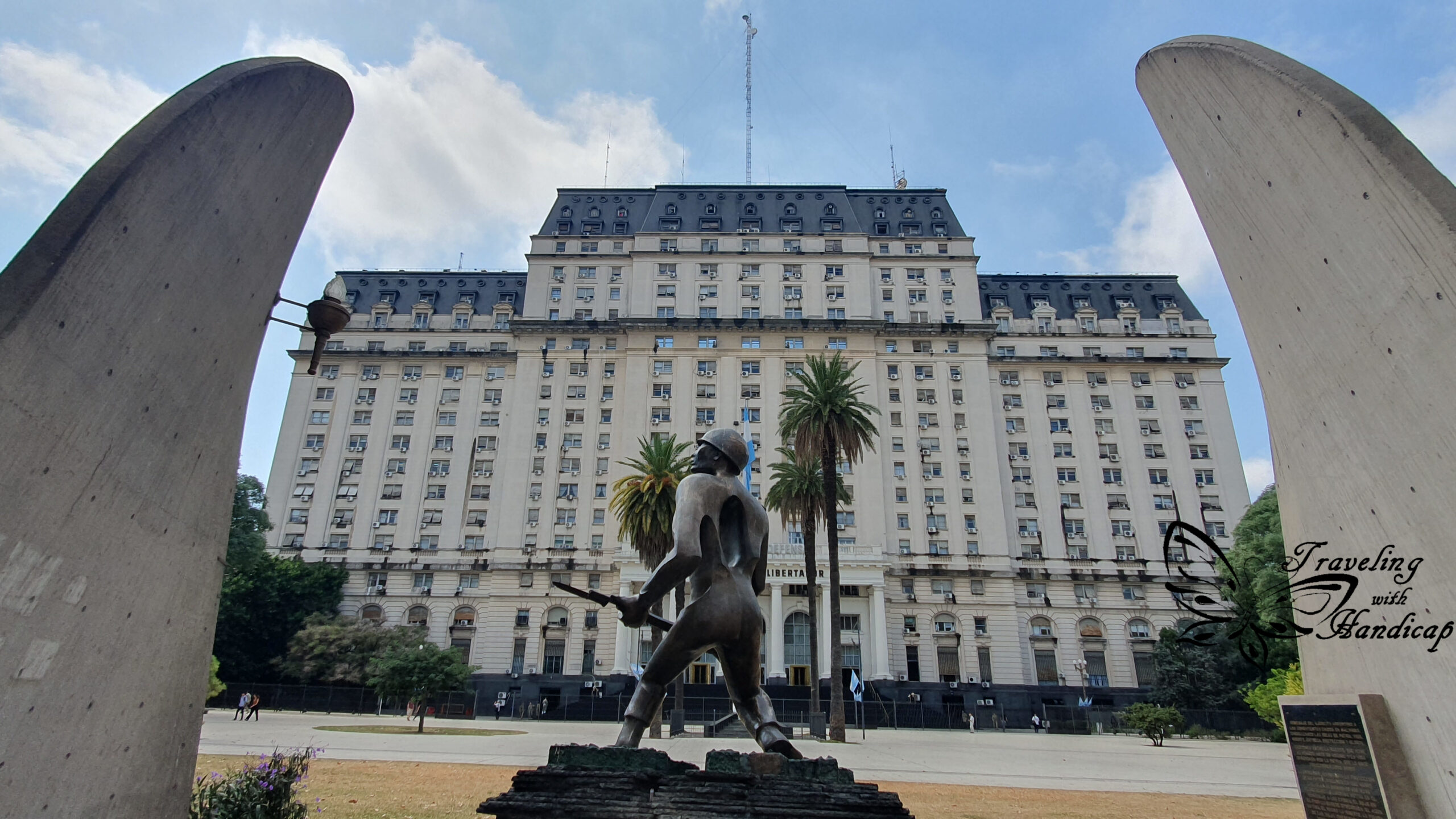
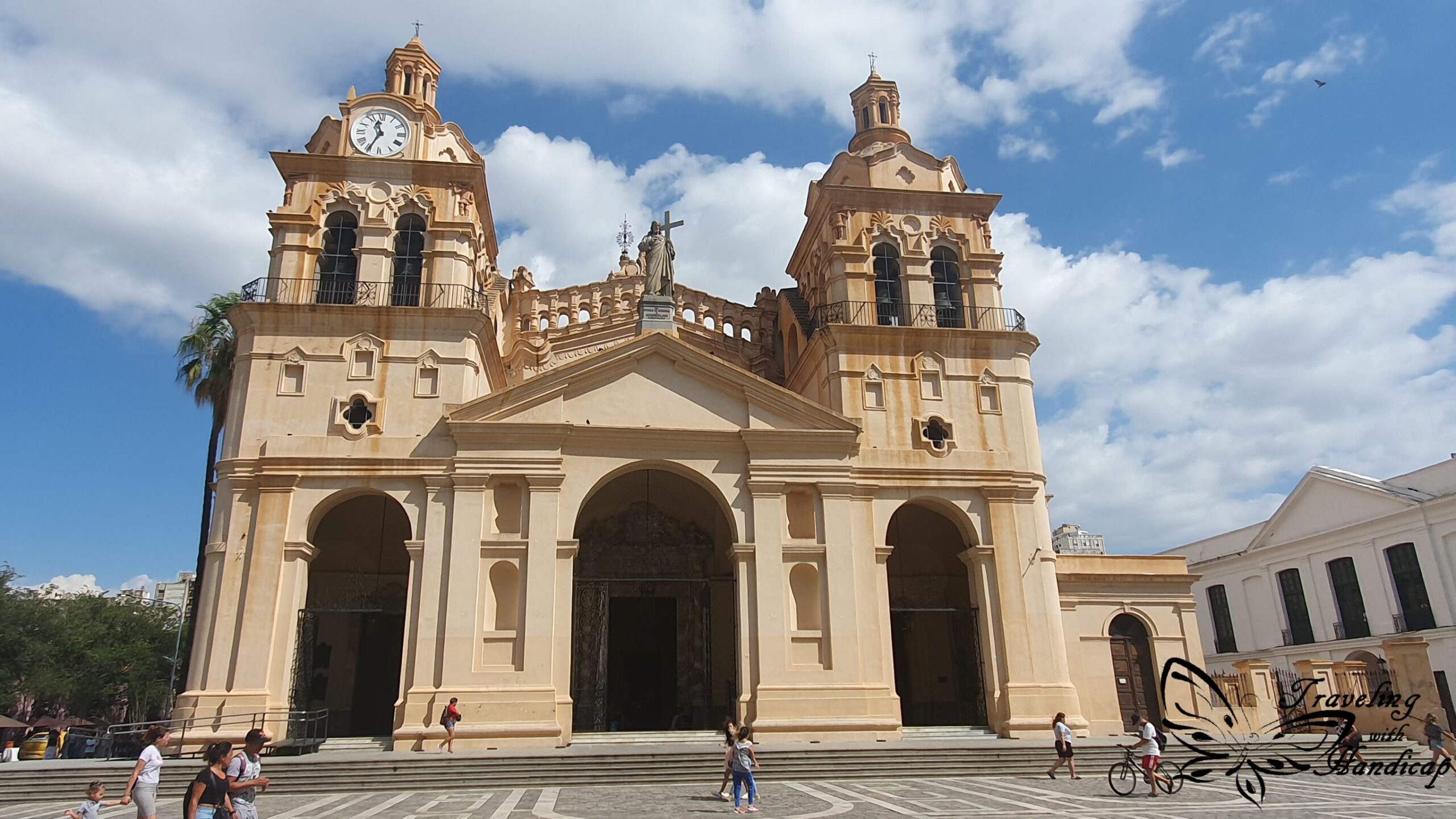
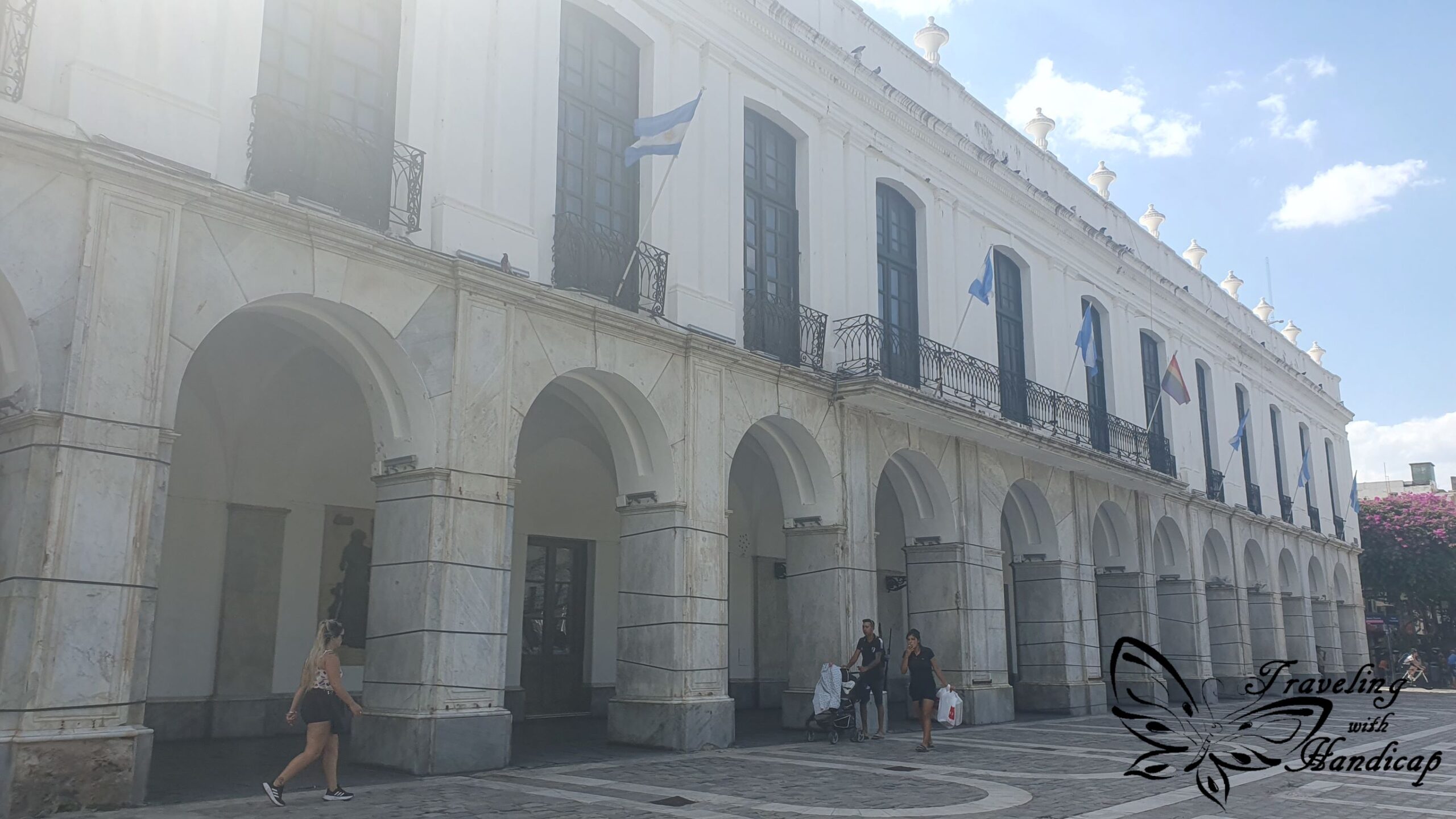
Córdoba is similar. You shouldn’t plan to stay in the city during a Sunday, since everything is shut down and the only people you find outdoors will rob you. Knowing that is strange – experiencing a Sunday only staying indoors and watching from the windows is a strange feeling as the warning seems to be true. Within Córdoba, the sights which are relevant for tourists are all in walking distance. There are a few fancy villages around Córdoba where the rich people have their second or third villa. I realized that Argentinians traveling to the region prefer staying in the villages and rather not in Córdoba (city). There are plenty regional buses connecting Córdoba and the villages (if needed).
Cuyo Region: Mendoza
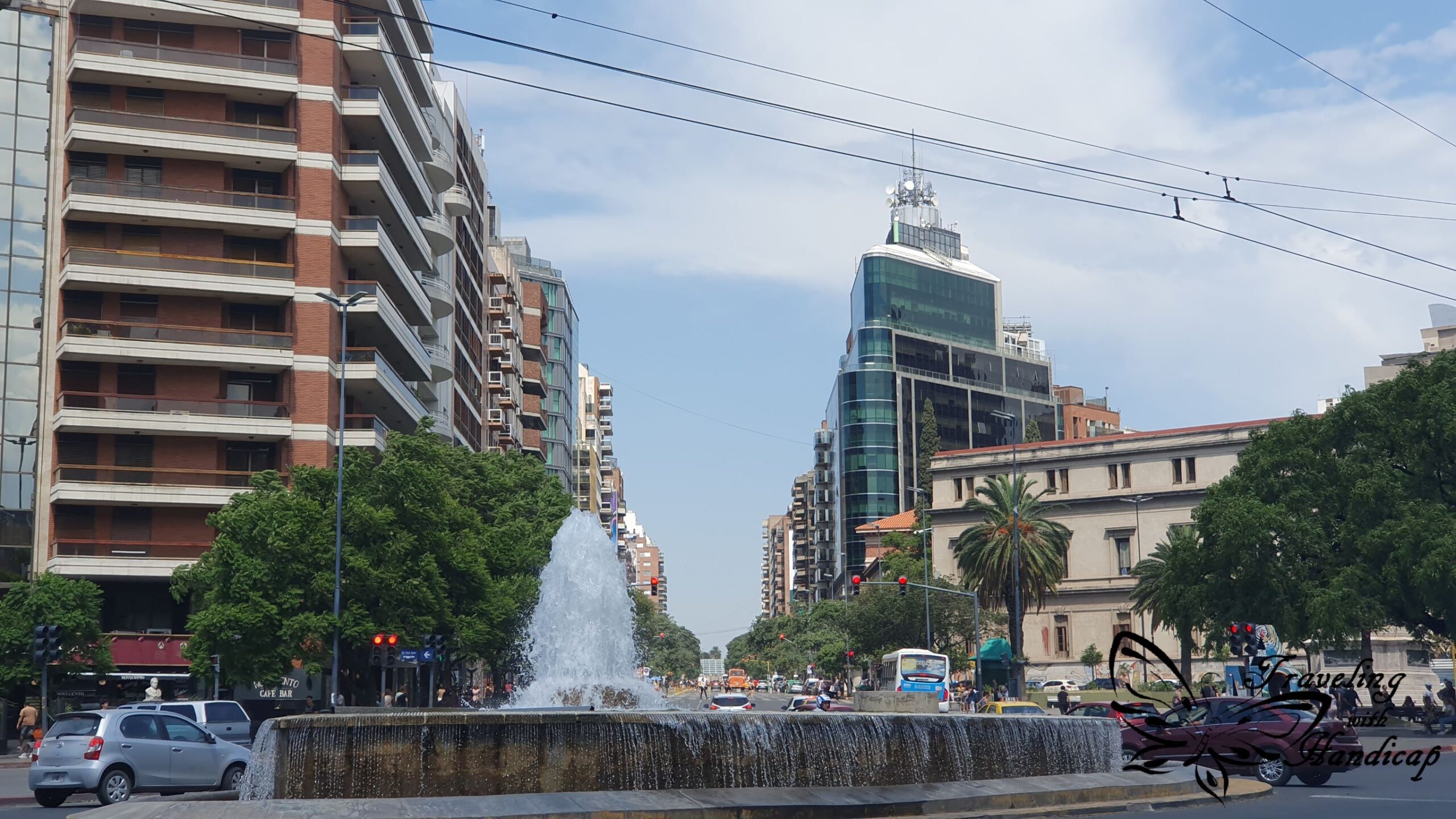
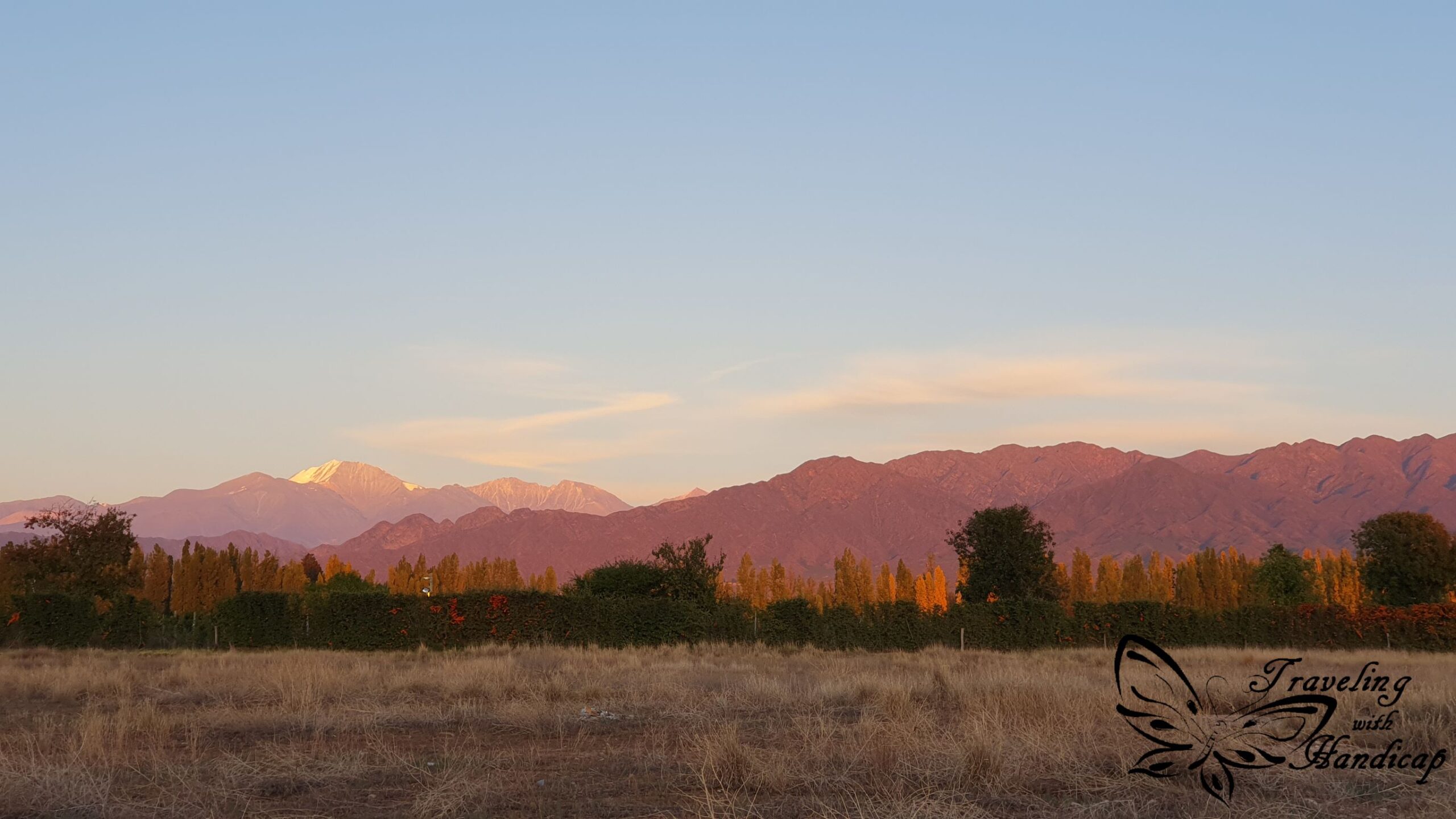
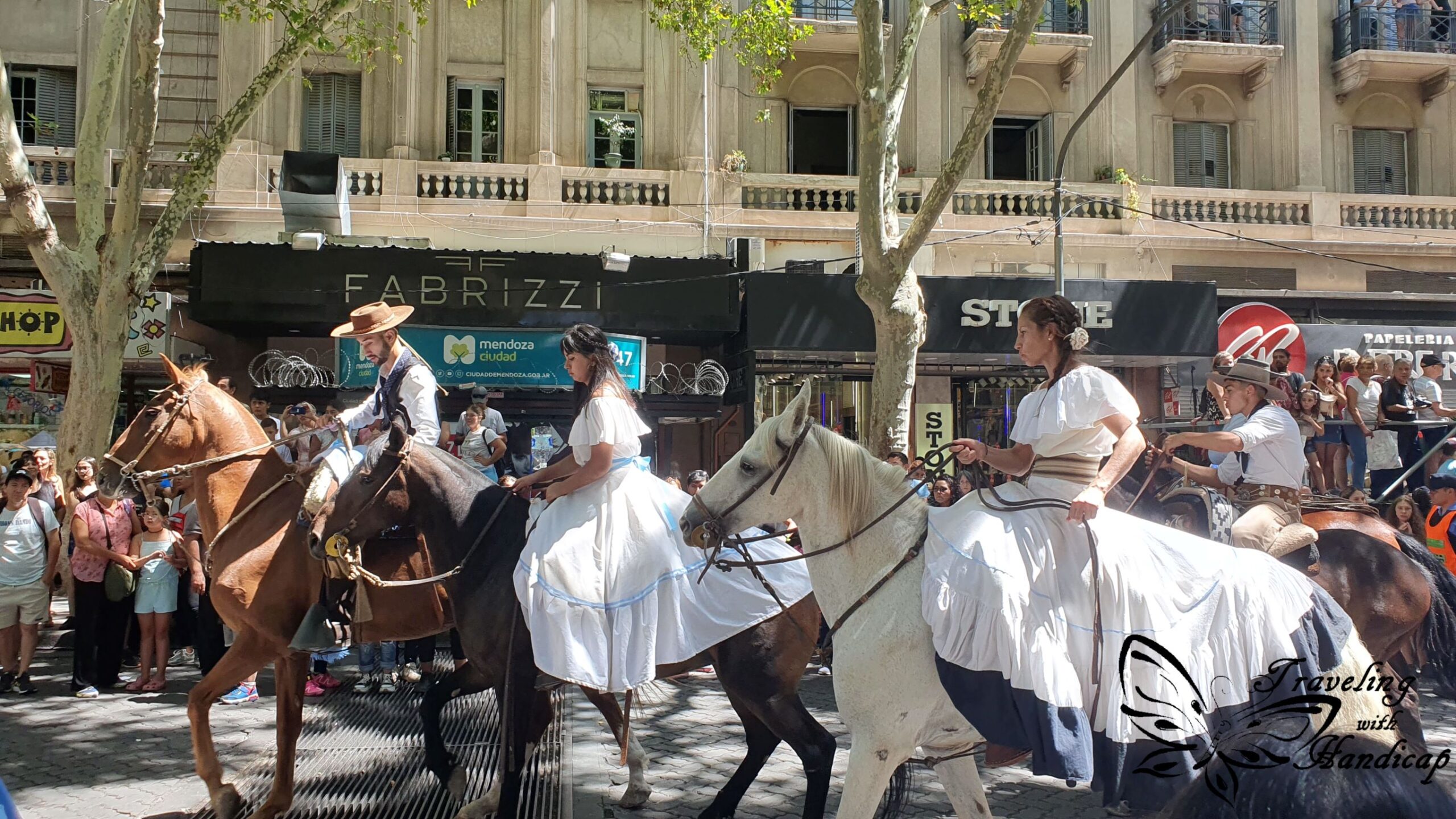
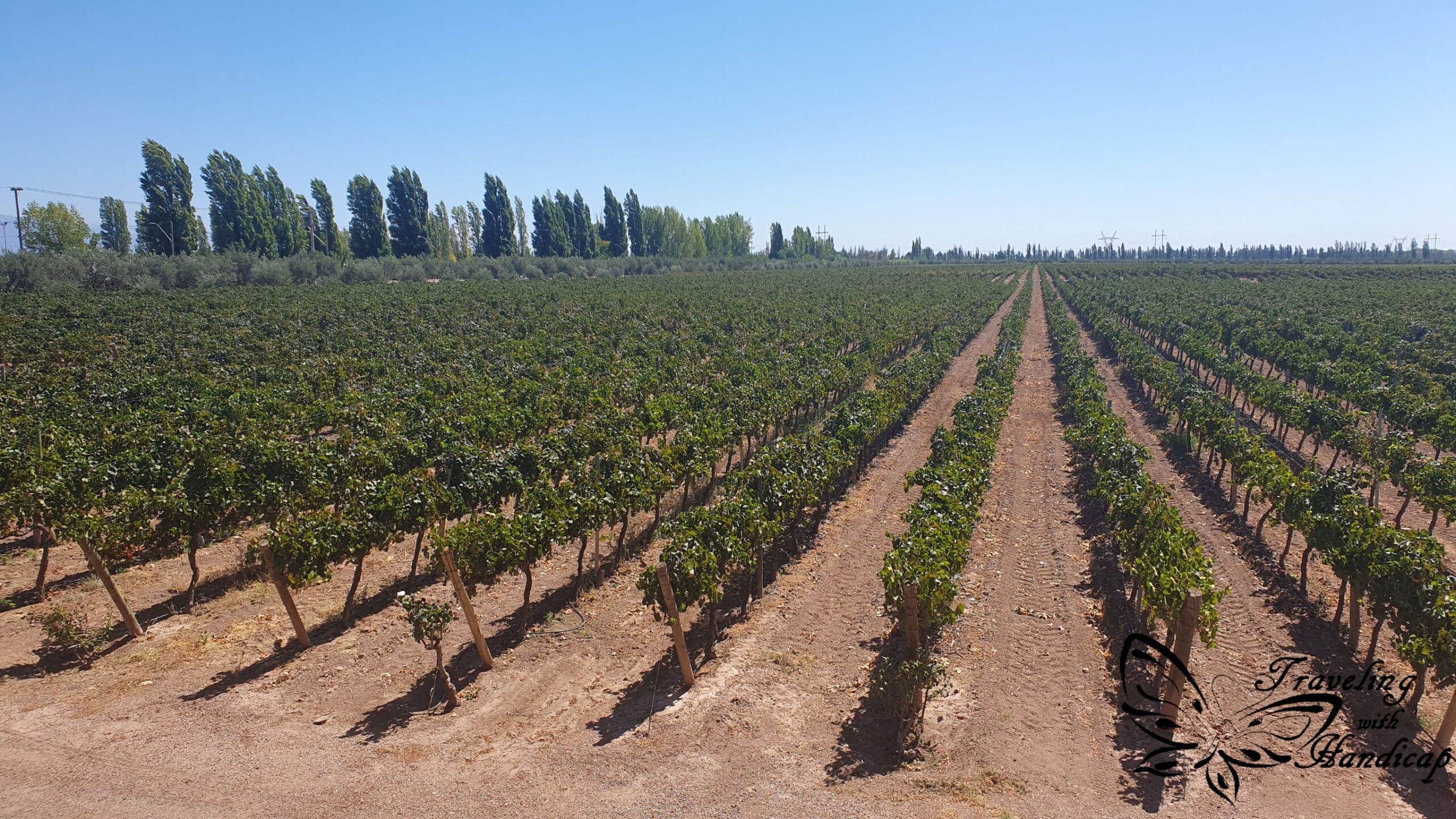
Mendoza is a famous wine region of Argentina. From the surrounding area, you have a view on Aconcagua, the highest mountain of the Andes. If you plan to climb Aconcagua, it’s advisable to start from the Mendoza region, since the mountain is completely on Argentinean side. Mendoza itself has not too many touristic locations, you also realize that theft seems to be a big problem as most of the houses have high and electric fences. If you have money, you move to one of the gated communities in surrounding villages.
Wine of the Mendoza region is quite good, wine-tasting is an appropriate thing to do. There are other wine-regions further up north but the northern wines are much sweeter. The region around Mendoza is not too overloaded by international tourists. There might be many more interesting places that can be explored. While Mendoza is located in a green valley, the surrounding land is rather dry, which you have to be aware of if exploring the region.
Argentine Northwest: Tucumán, Salta & Jujuy
While I experienced Argentina mostly as white-only with just European roots, I was so satisfied to realize that there exists at least the tiny area in the very north (south of Bolivia) with at least a little latino population. Honestly, I experienced the majority of white Argentinean people as quite arrogant. Always claiming to be better than all other countries in Latin America, continuously asking about the preferred country and being disappointed if you don’t mention Argentina. The Northwest-Region was different, and this is the major reason why I highly recommend that area.
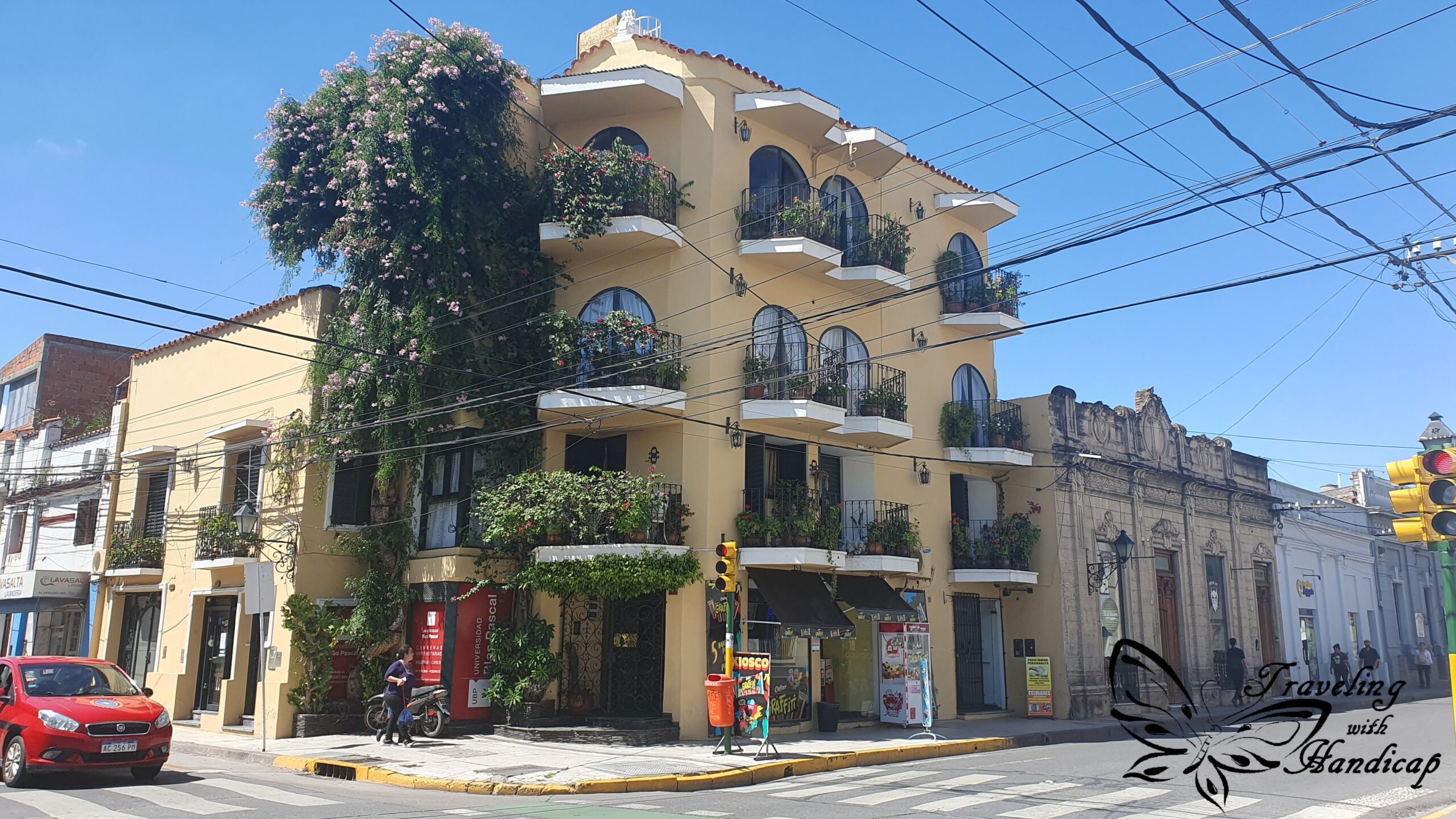
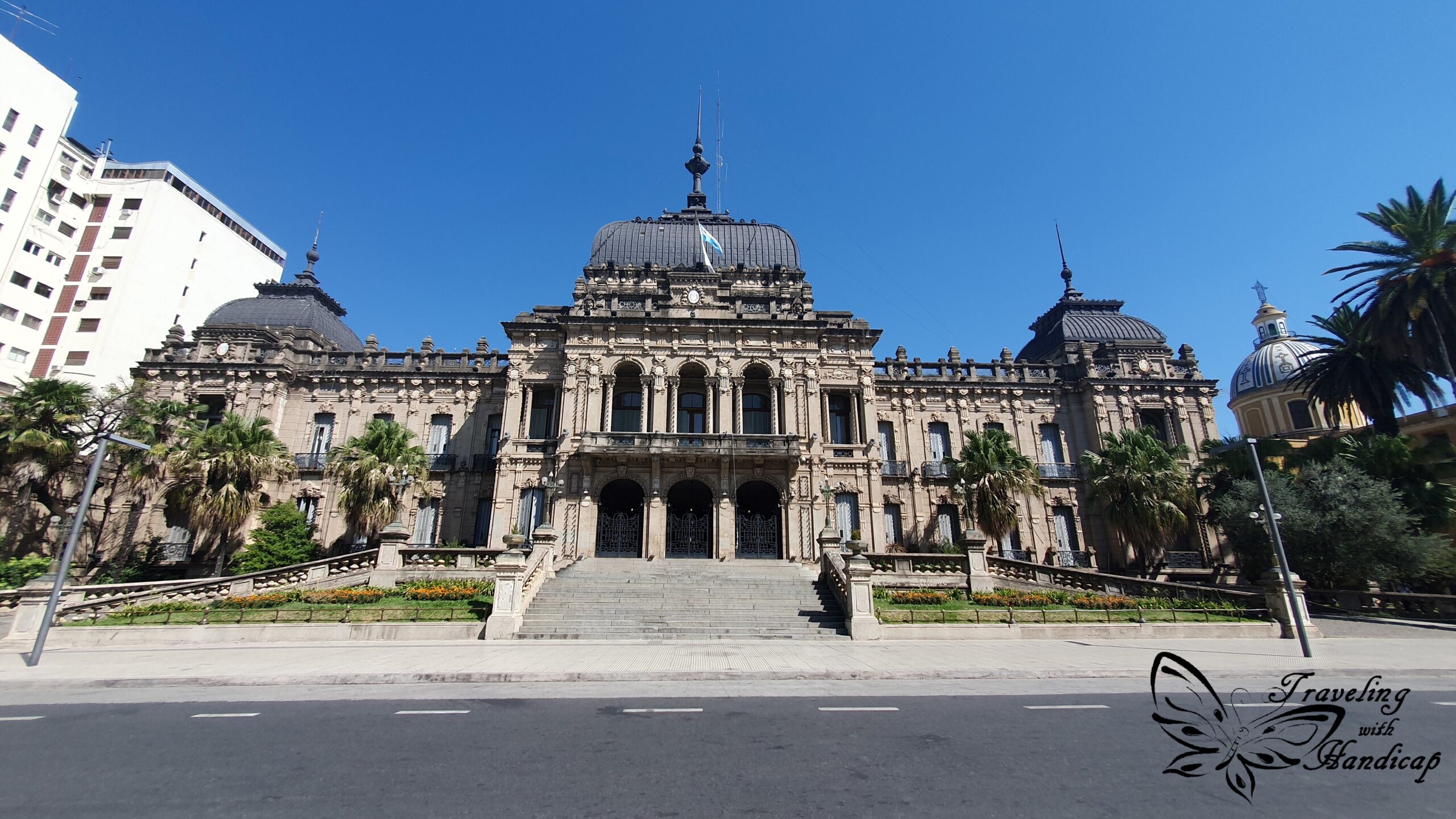
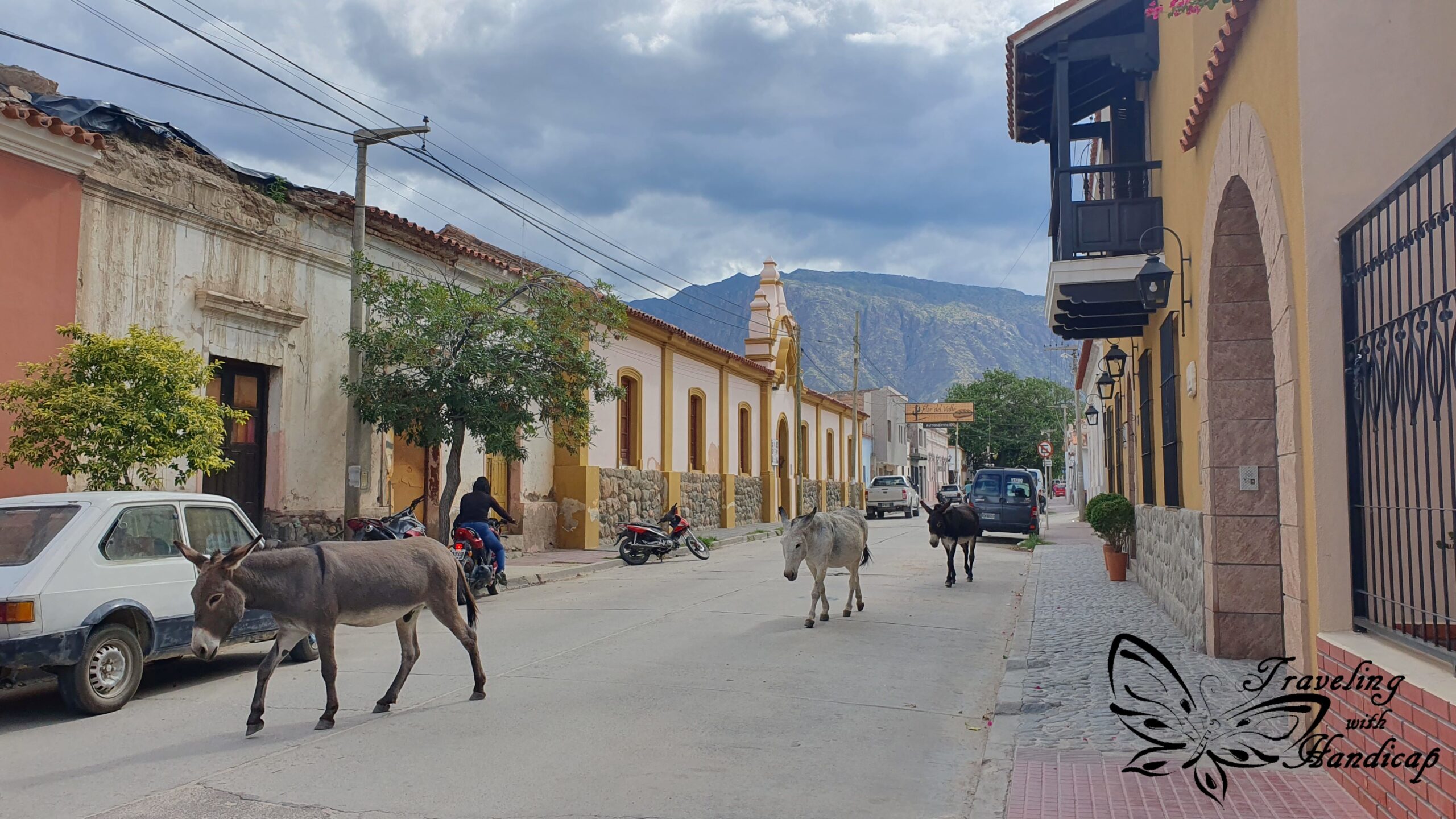
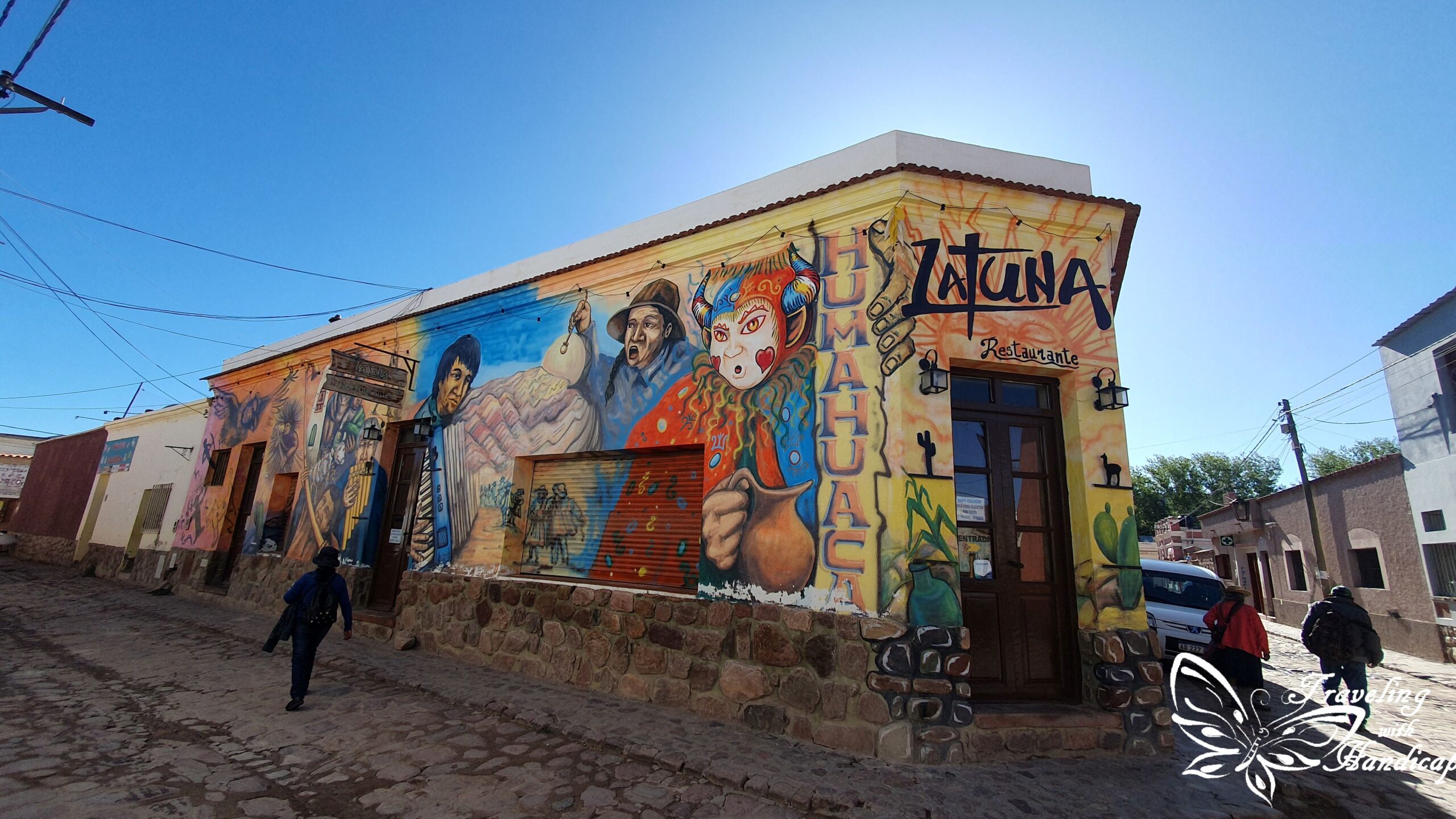
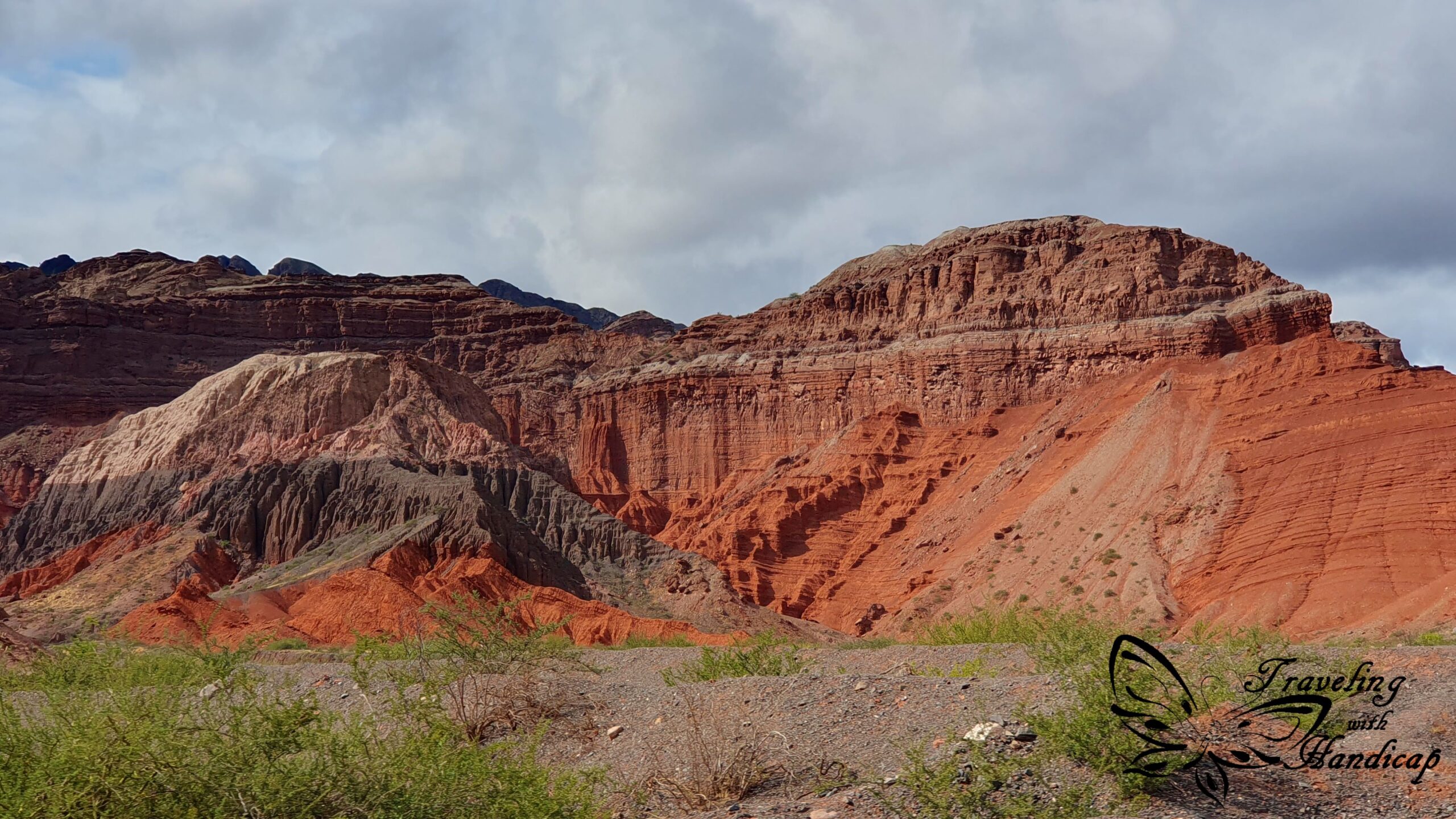
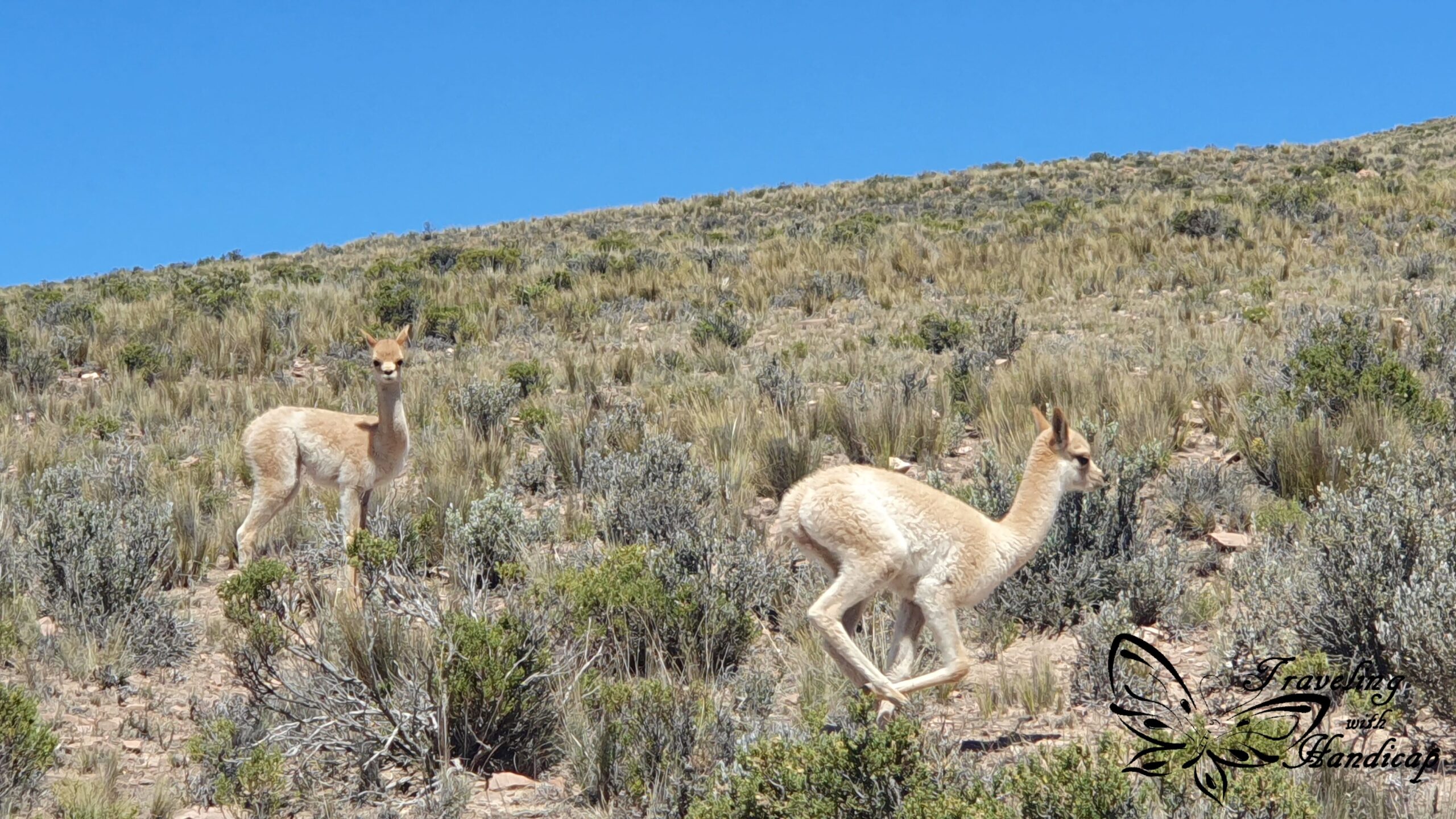
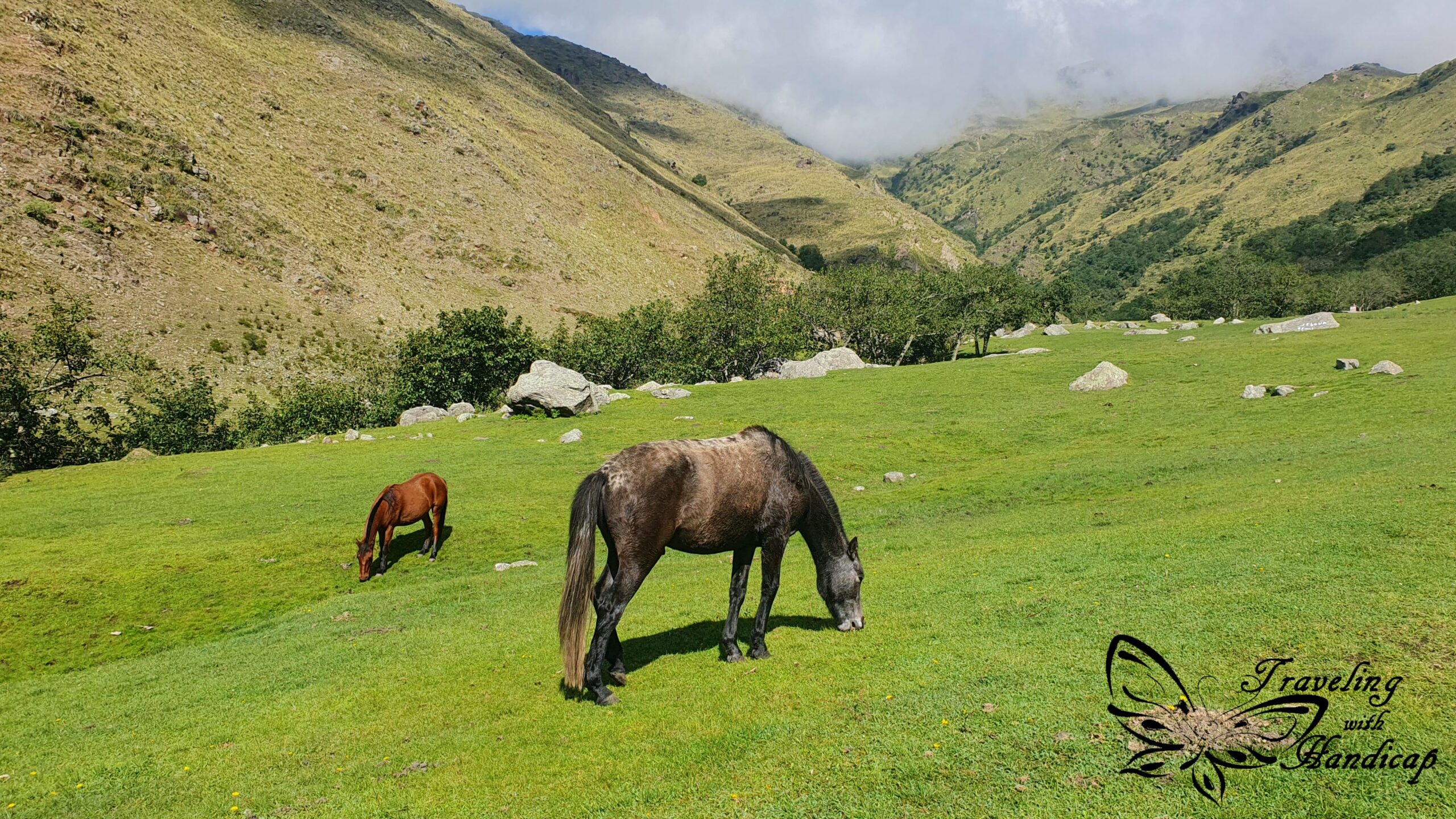
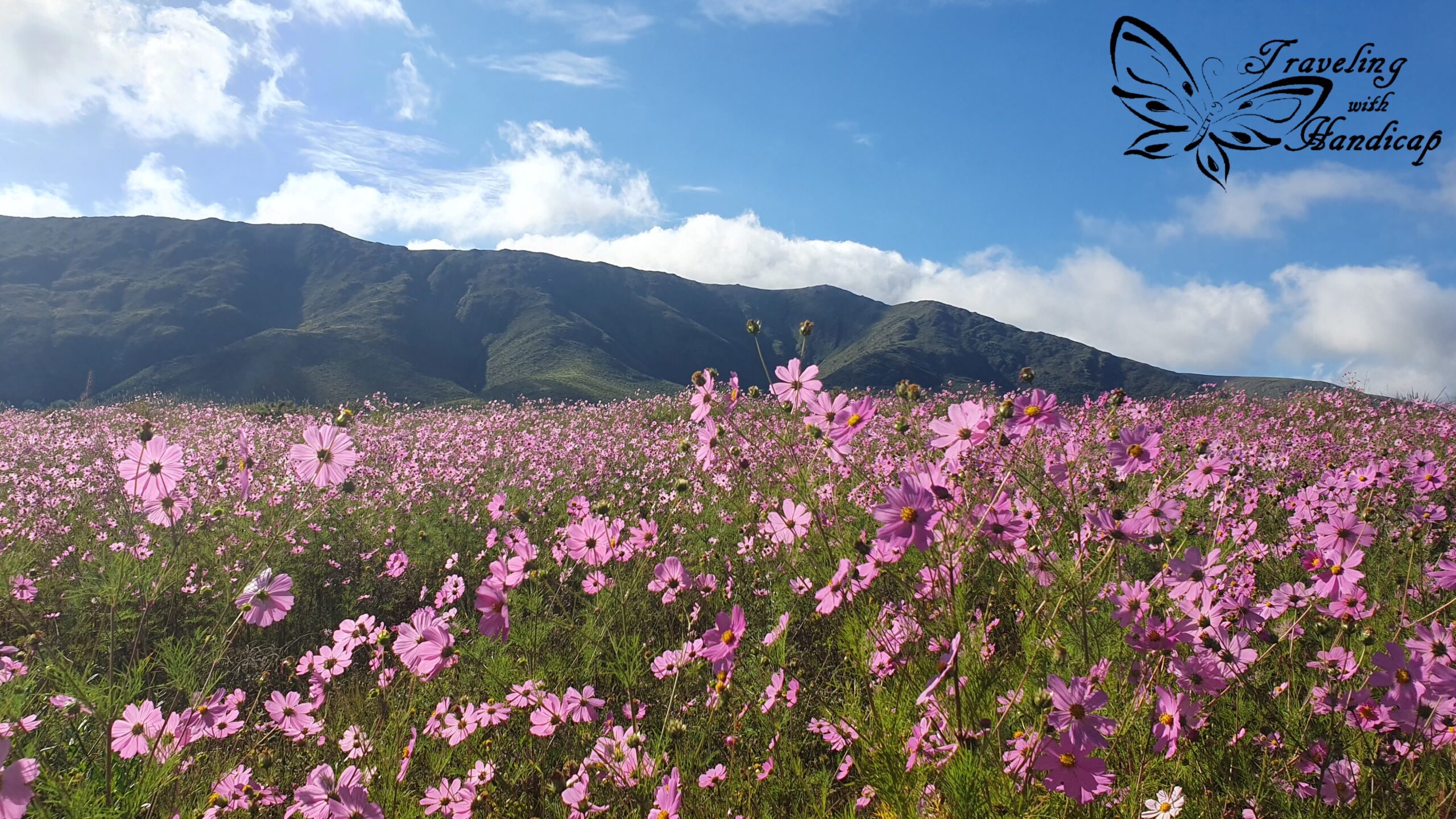
Initially, I didn’t plan with Tucumán. I was positively surprised about its history, the tiny charming center and the cute village El Cadillal in its direct neighborhood. The route from Tucumán to Cafayate, the center of the northern wine-region, is very scenic. From Cafayate to Salta it’s even better. So many mountains consisting of differently colored layers of stone. From Salta, I didn’t stop in San Salvador de Jujuy but directly continued to Tilcara and Humahuaca. A very scenic bus-ride. If you don’t intend to visit the Salar de Uyuni in Bolivia, the salt flats close do Purmamarca are worth a visit. Especially this region was very authentic, I enjoyed spending some extra days around here. Actually, I traveled slowly towards La Quiaca (Border to Bolivia) and did a few trips to higher altitude such as the Cerro de los 14 colores in order to get used to altitude.

Argentine Northeast: Cataratas del Iguazú
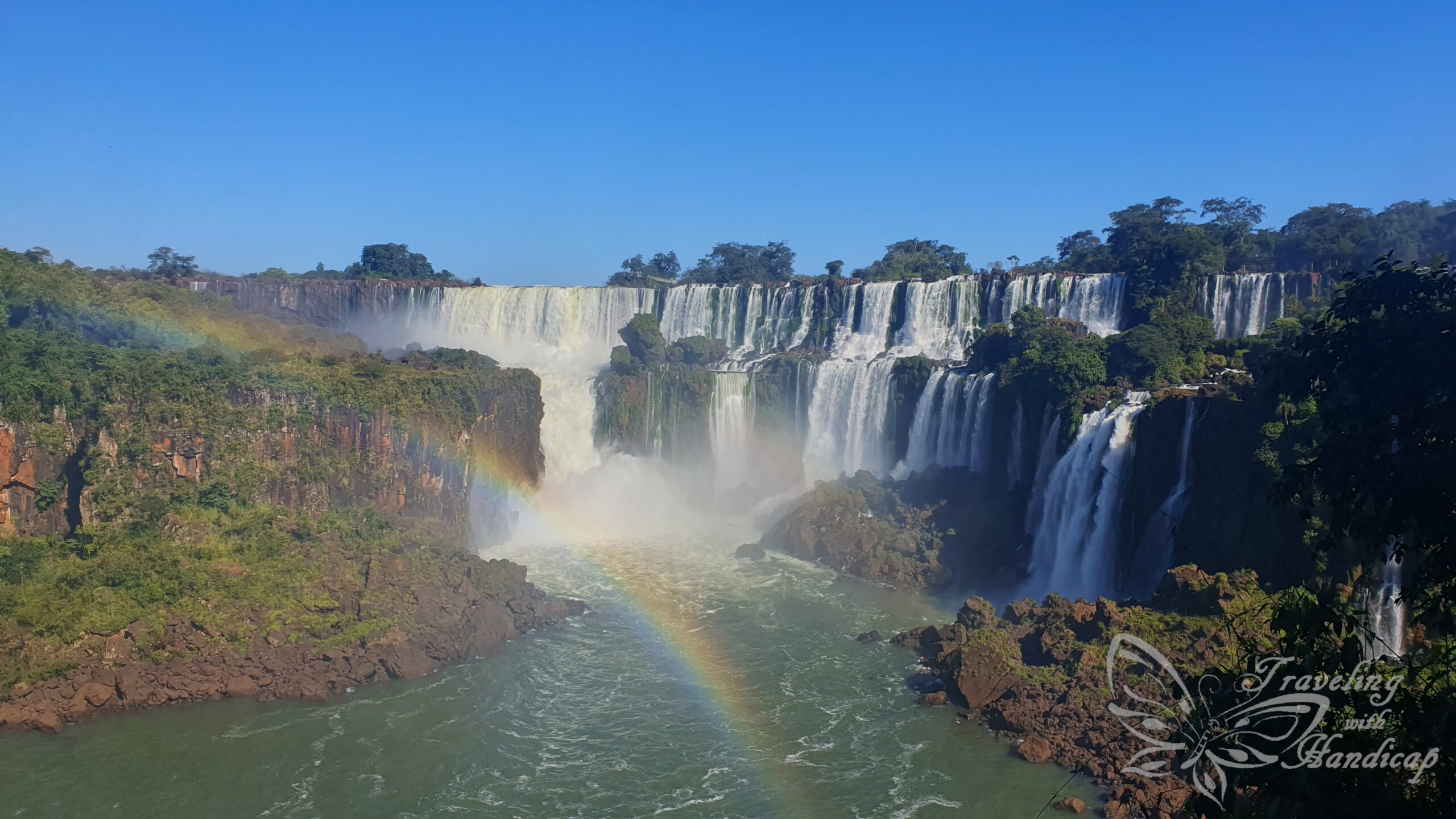
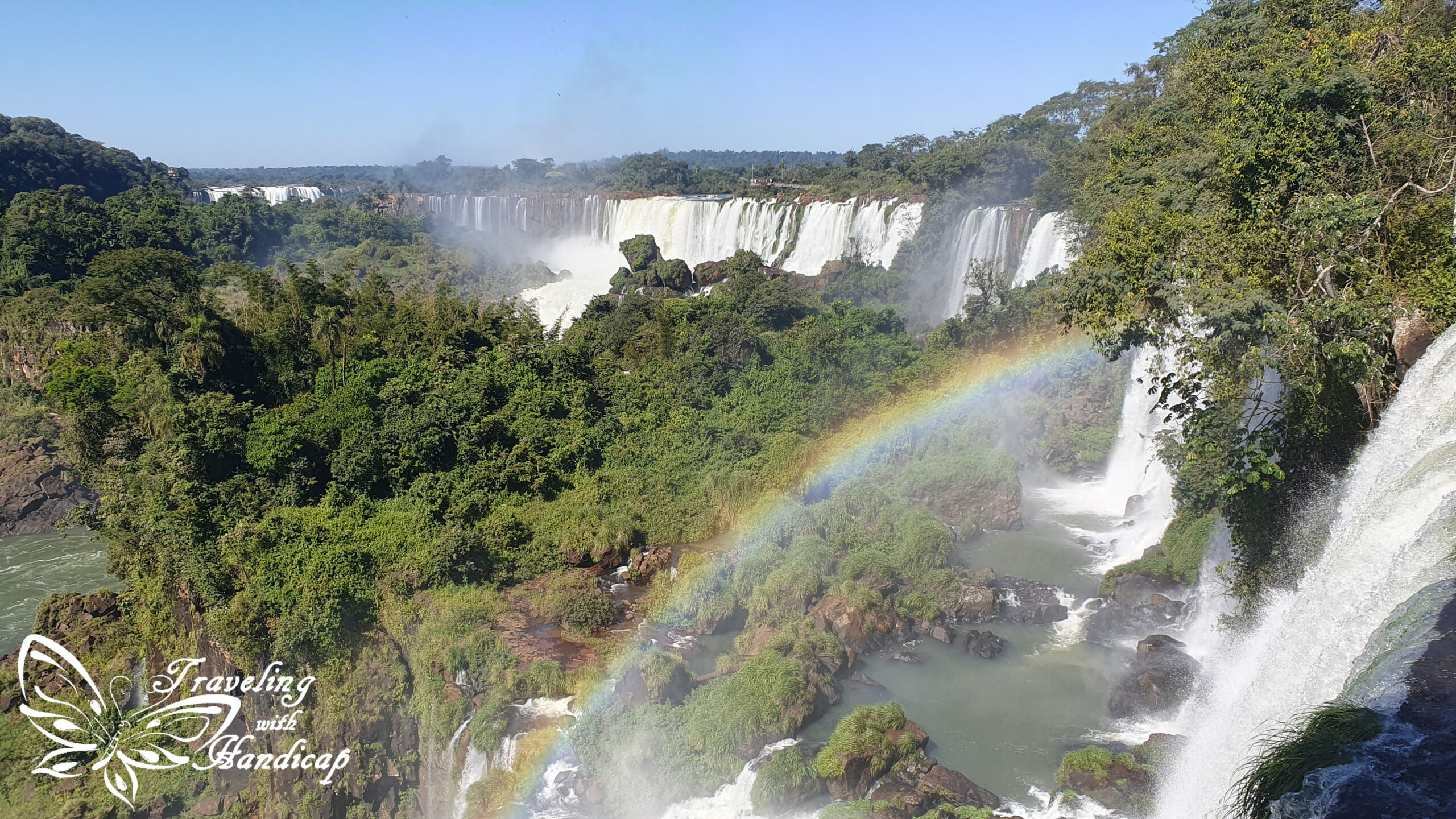
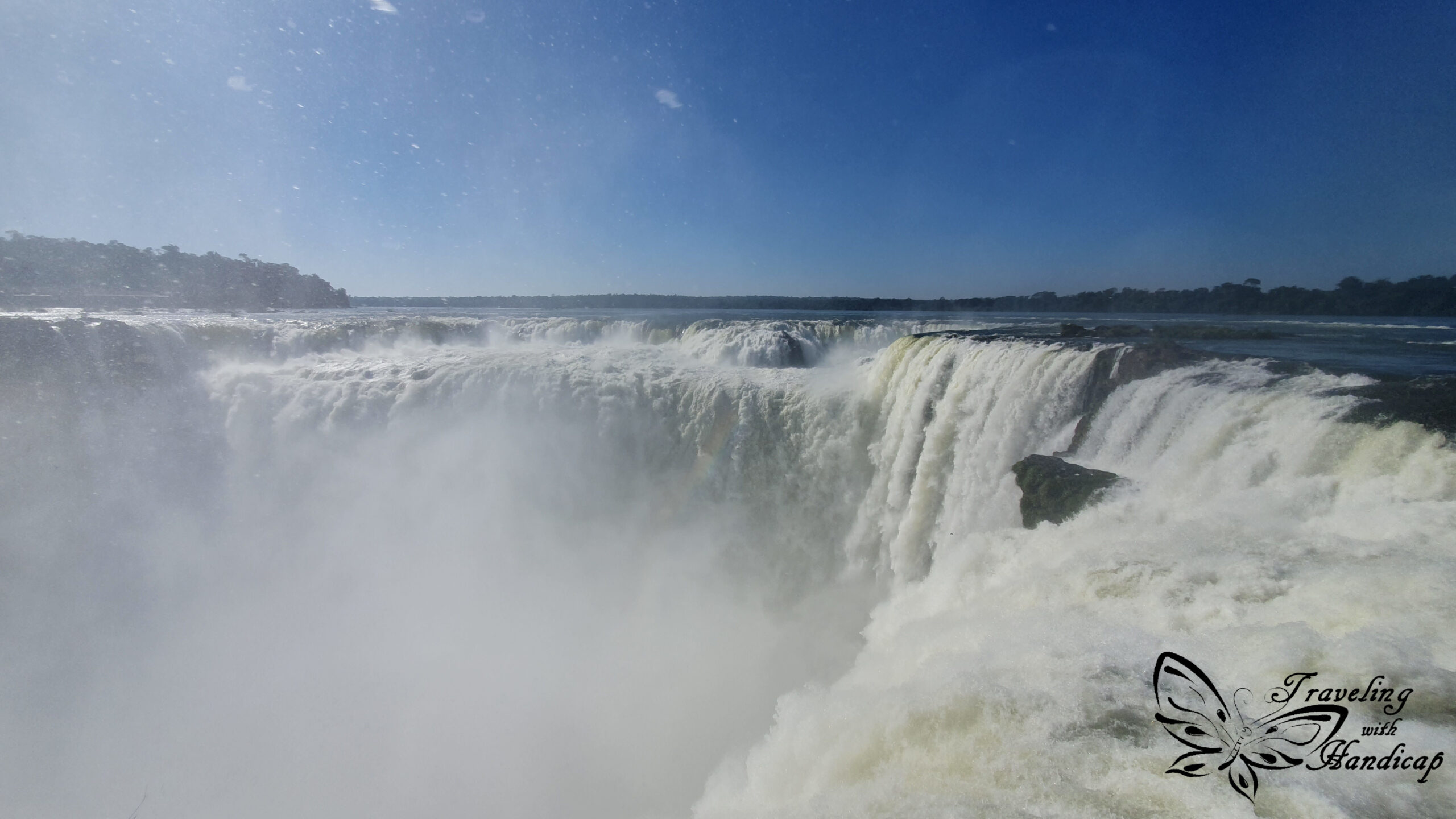
The northeast of Argentina is quite green and isn’t covered by big cities. As such, it’s not too easy to explore the region without a car. I only came to Puerto Iguazú as I wanted to see the Cataratas del Iguazú, the huge waterfalls. There is an airport available both in Argentina and in Brazil to reach the falls domestically. The Iguazú falls are definitely worth a visit. As you don’t need multiple days, it’s doable from Buenos Aires even if you are short in time.
Both Paraguay and Brazil are easily reachable from Puerto Iguazú. Ciudad del Este in Paraguay is known for cheap shopping at the border. Going to the Brazilian side of the Falls from Argentina was possible on a day-trip, (surprisingly) without passport hassle at the border. The bus needs to be payed in Argentinean pesos in cash to get the original and fair rate.
Lack of Accessibility
Overall, I was quite disappointed by the lack of accessibility in whole Argentina. This country seems to not properly care about any people with a handicap. My impression is that either you’re healthy and from European descendant, then you might reach something in this country. Or you’re from native descendant or having a disability, then you are part of the minority that the corrupt white politicians don’t care about.
To be more specific: entering buses (both local and long-distance) is almost impossible if you are not fit and healthy. They start driving while you are still somewhere on the stairs, they break in ways that even healthy people struggle with balance. Walkways -if they even exist- are of such a poor quality that no wheelchair would be able to use those. Even healthy parents struggle using strollers. Shops mostly have stairs and no ramps. I have not found any braille, also audio-information is not used to inform blind passengers regarding departing buses etc.
Even though I was allowed to enter Argentina’s national parks for free by showing my German disability card, I had to have weird arguments with national park staff people. Because their assumption was, that if you have a disability, you are not allowed to be alone. As such, they were quite rude regarding me not being accompanied, neglecting entry or even threaten to have me brought back home with the next bus. Experiencing this, it was obvious to me that in white-Argentinean minds, people with disabilities are crazy (as in being unable to think). Whenever I got sick of all the dumb accusations, I mostly just went to another tourist and convinced him or her to be my “tourist partner” just for the check. I often managed to even get a reduced fare for the people voluntarily “accompanying” me. 😉
Travel-Basics
Currency
The Argentinean Peso has such a high inflation that you need to wisely consider how much cash you need within the next short period of time before getting new cash for a much lower rate. Apparently, there were different ways on how to get cash. Instead of using ATMs, you got a much better rate (twice as good) if you send money through Western Union – the so-called “Blue-Dollar-Rate”. I have heard of a few places in Buenos Aires where you might change US-Dollars for a third the rate, however, Western Union seemed to be more trustworthy.
Due to the cash-rate (Blue-Dollar-Rate), it was advisable to pay as much in cash as possible. I managed to plan my cash almost exactly. Only for the last destination in Puerto Iguazú, I once asked someone to pay for their stay by card and take their cash as this was just the remaining few Pesos that I needed which worked out well. After checking the very few credit card bookings on my Visa, I realized that the exchange rate was close to the Blue-Dollar-Rate. This was no official or public information to be trusted, I only realized it after paying. Nevertheless, I heard that MasterCard didn’t exchange using the Blue-Dollar-Rate at that time.
Transportation in and around Argentina
Domestic flights within Argentina are mostly to/from Buenos Aires. As such, it is more convenient to take long-distance buses if traveling within a region to avoid long flight hours due to the change in Buenos Aires. Many airports are spread across the country, though, I don’t know anything about the flight prices since I never took a plane within Argentina.
Long distance buses are a very convenient way to travel within a region. For longer routes, night buses are advised – while being aware that fixing your belongings to your chair is mandatory to find some sleep. I don’t remember how often I have been told stories about people being robbed on night buses without knowing (in general, not specific to Argentina). You also try to find routes which do not have any stops along the night route since then, the likelihood of random people taking your backpack decreases. Even though there were certain tags on the bags identifying them to you as the ticket holder, those were mostly ignored on arrival.
Moreover, and more stressful, every bus stop had certain people that fought for getting off the bags and only handing them to you for a tip. The first time, I was overwhelmed by that aggressive request of tipping while I didn’t have any small cash, that I literally had to fight for my bag. After that experience, I always kept very small Pesos just to have a very small tip available. Even though those men looked quite poor, like homeless, their rude behavior didn’t allow any higher tip. A little more friendly and helpful would have increased my tip-rate enormously.
Cities mostly had their own bus-network that always felt kind of chaotic. You carefully had to pre-plan which bus you want to take, from which bus stop to which destination and so on. I had no network access in Argentina (since I didn’t buy a sim card), however, even the live information was not accurate -rather best guess.
Accommodation
Depending on the region, accommodation is quite cheap to really expensive for Argentinean standards. For sure, Ushuaia is the more expensive regions. In Buenos Aires, you find high end as well as affordable places. Also Patagonia overall is more expensive than the remaining part of Argentina. I mostly stayed in Hostels. For the overall experience, staying in a hostel enabled many other opportunities, especially regarding shared transportation, even local people showing me around. The type of accommodation you are willing to take pre-selects the places you may visit as well as the price range. In smaller, more rural towns, there are no other options than Bed and Breakfast.
Even though Patagonia is quite safe compared to all the other regions regarding theft, people might also travel to Patagonia occasionally and take your phone or whatever they can find if you have bad luck. Therefore, it is very important, to always lock your stuff away in any place you stay. Cleaning people might take things as they mostly don’t have high wages and need to support themselves somehow. Never leave your phone or anything out of your hands and sight, even a turnaround was sufficient for a woman to be robbed her phone – I was in the same room among other people and didn’t realize.


