I finally felt myself lifted definitely away on the winds of adventure toward worlds I envisaged would be stranger than they were, into situations I imagined would be much moer normal than they turned out to be.
Ernesto Guevara
Chile
Visited places
First of all, I would like to provide list of places that I have visited with a sentence each describing its highlight or characteristic.
Tierra del Fuego
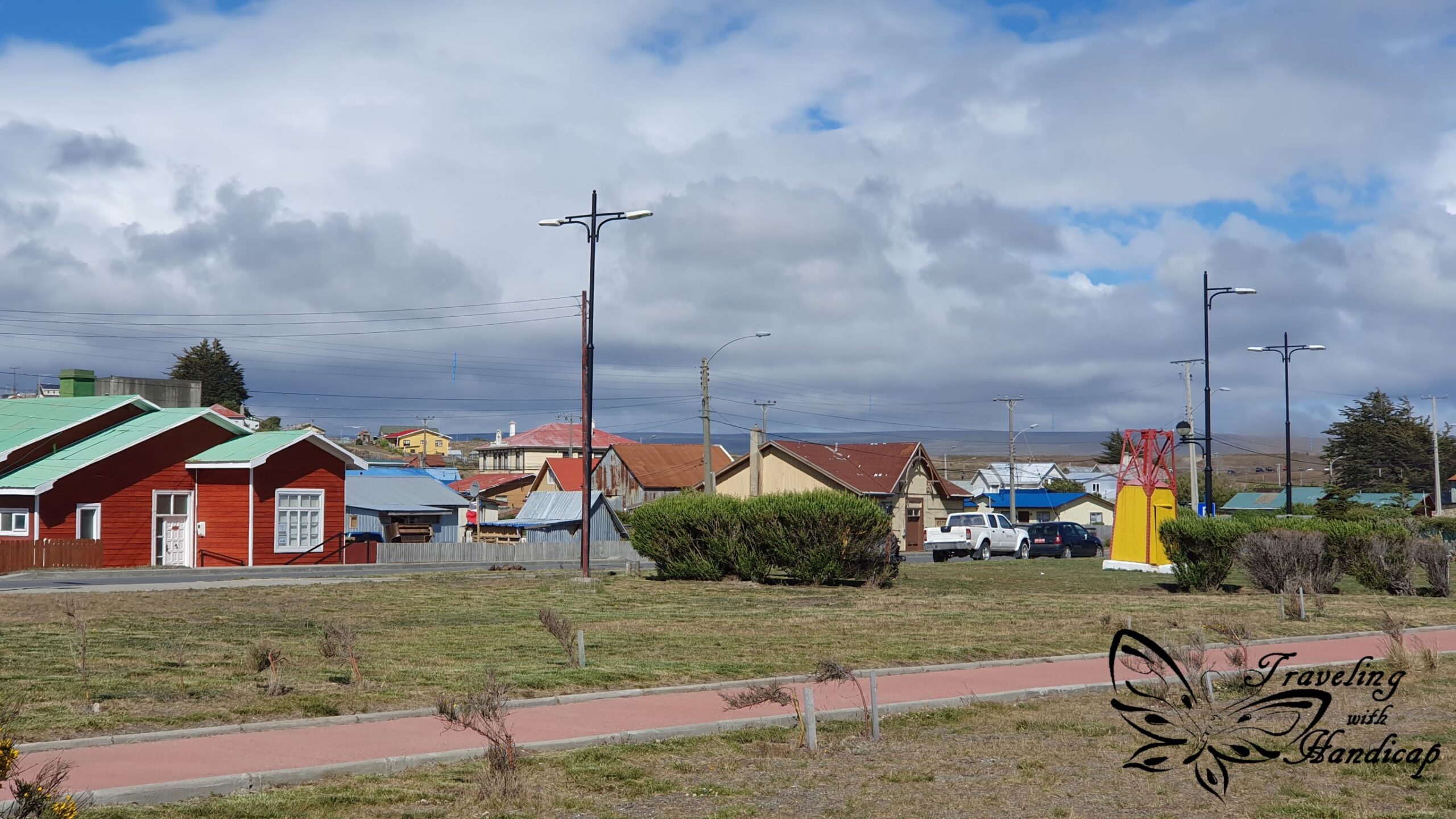
- Porvenir: the charming little capital of Chilean Tierra del Fuego, accessible from Punta Arenas by direct ferry
- Magallanes Channel: interesting to cross by ferry, especially knowing about the history of Magallanes
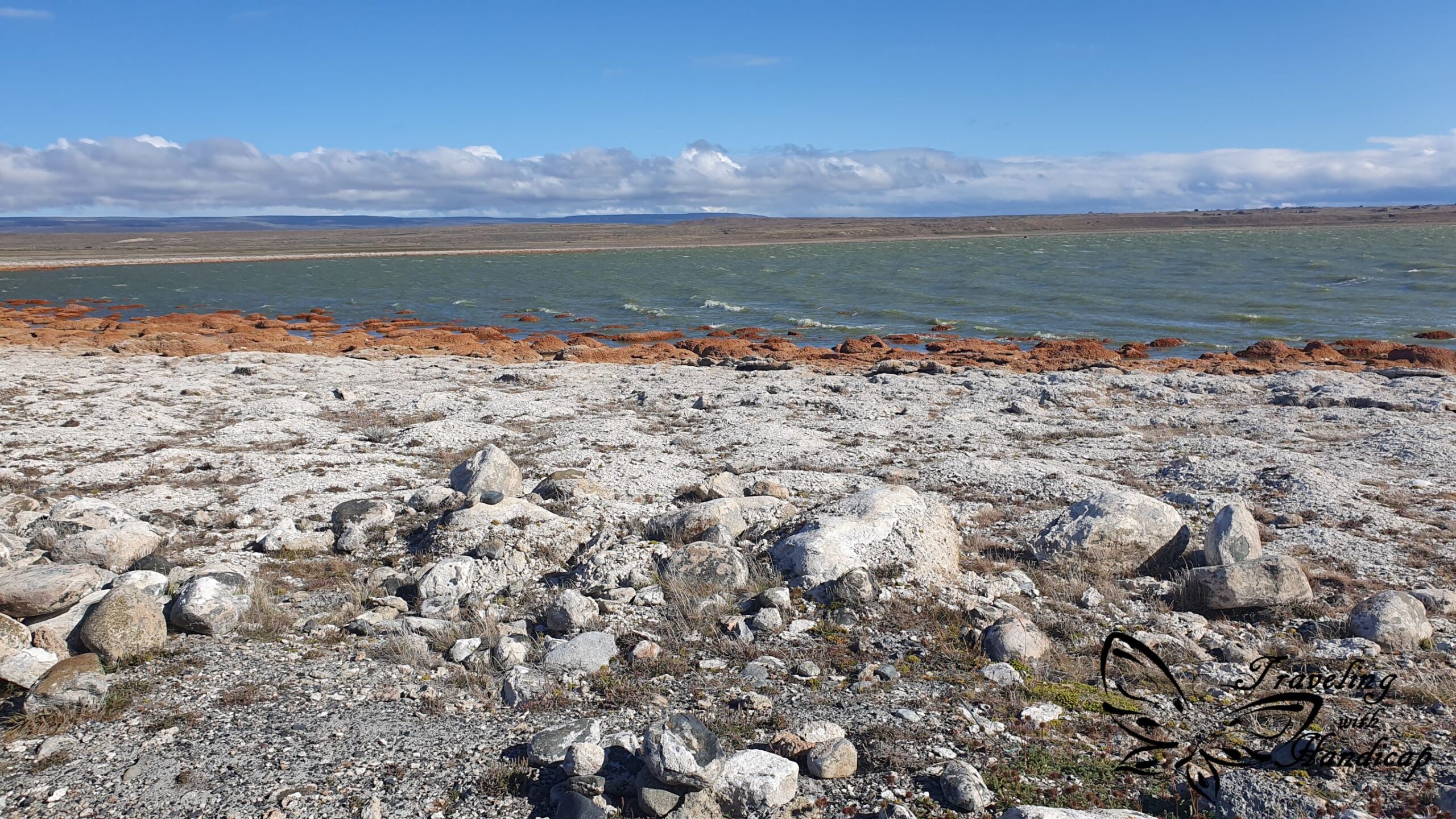
- Parque Estomatolitos: natural specialty since Stromatolites are only found on very rare locations
- Cerro Sombrero: village founded in 1958 as a residential and services center for the national Petroleum Company (ENAM) consisting of over 150 dwellings, a gym, swimming pool, bowling alley, botanical garden, movie theater, church, hospital, warehouses, supermarket, restaurant, lodgings and gas station
Southern Patagonia
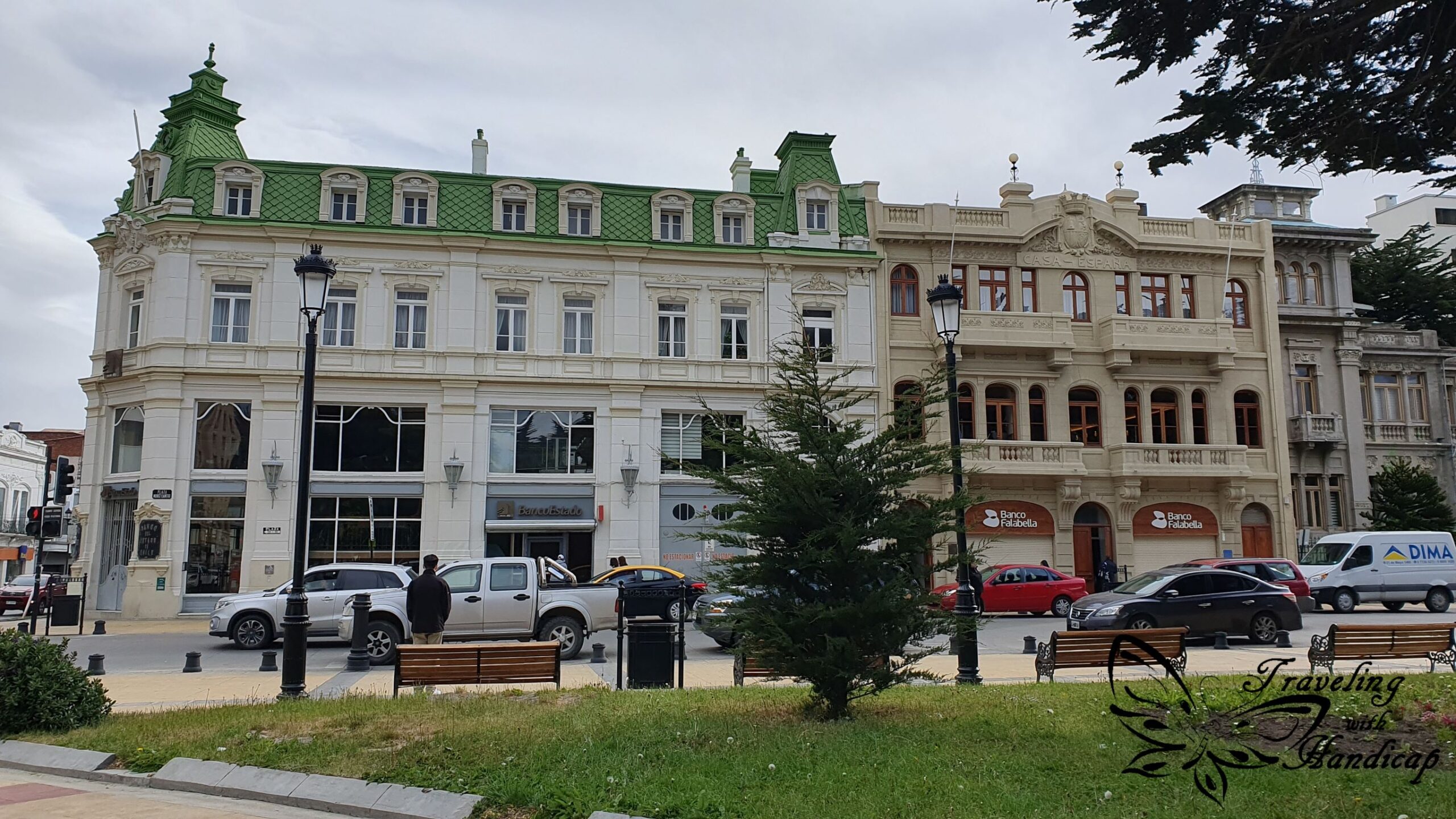
- Punta Arenas: the busy capital of southern Patagonia, surprisingly accessible, bus service to the whole region including connections to Argentina
- Estancia San Gregorio: little estancia with history on the way from Punta Arenas to the Magallanes Channel ferry
- Puerto Natales: the charming tourist hub for Torres del Paine, hotels to be selected carefully with respect to European standards (local standards might be weird)
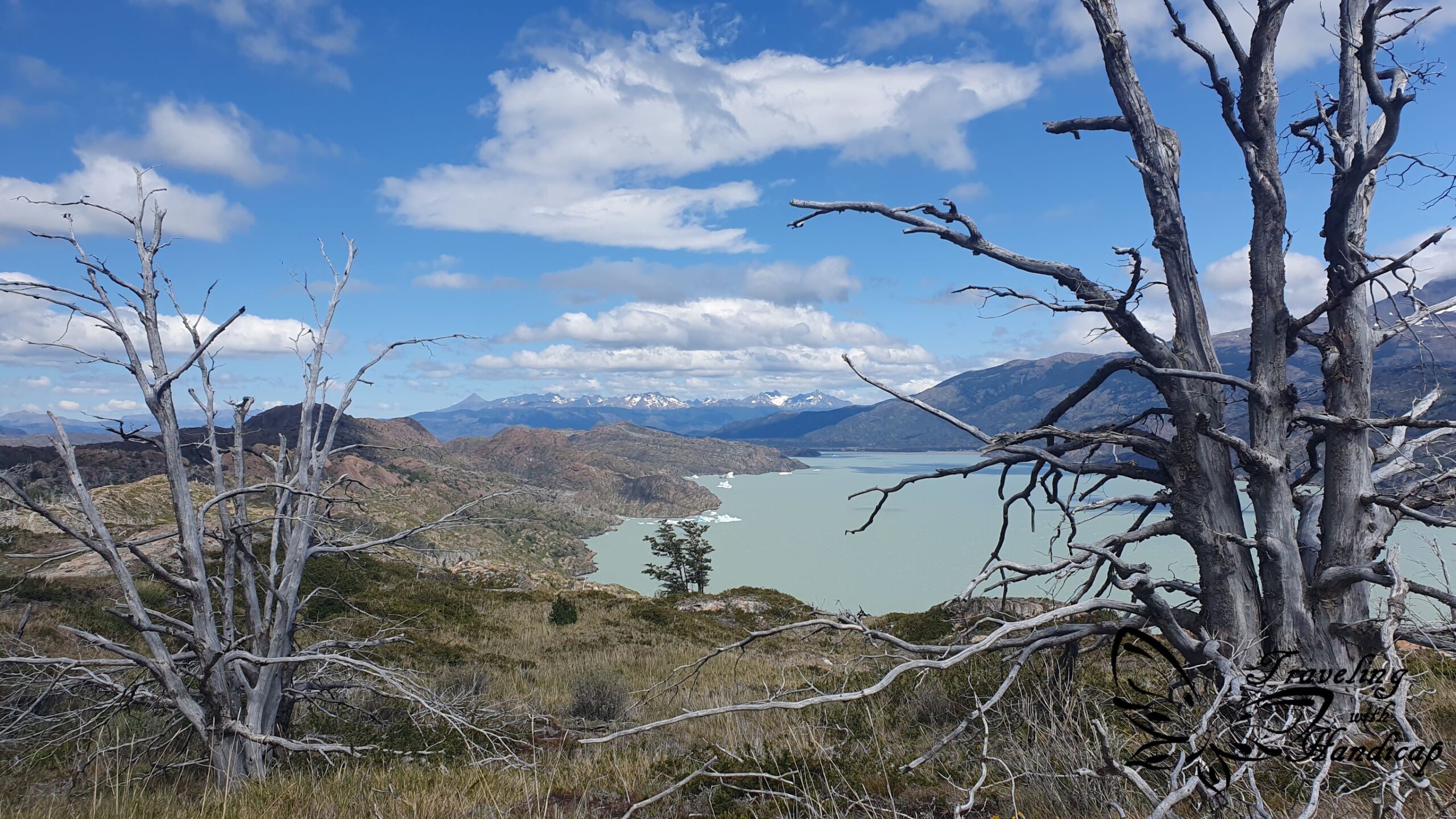
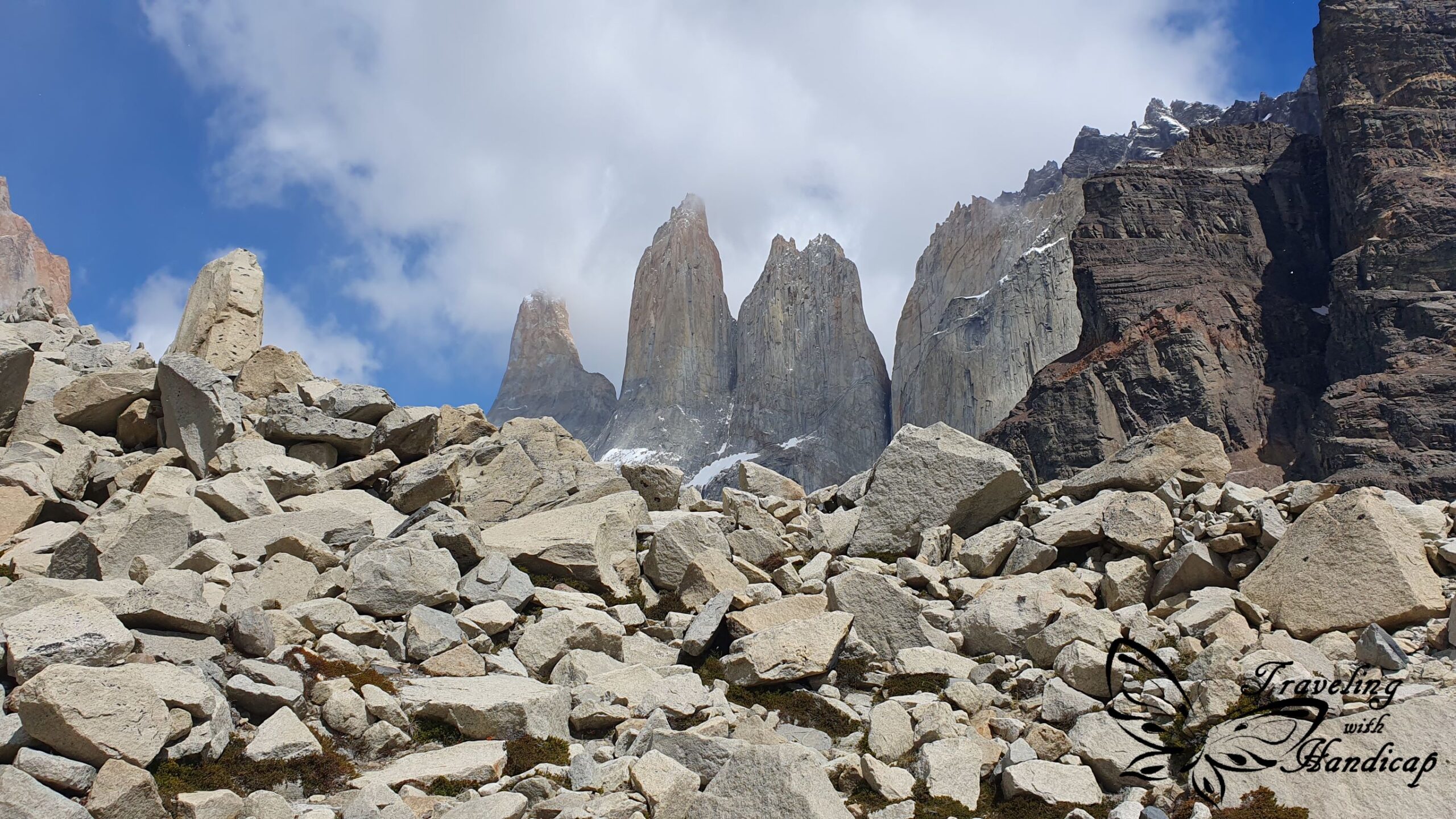
- Torres del Paine National Park: amazing National Park, accessible by bus from Puerto Natales, careful pre-booking of campsites for any hikes is required approximately half a year in advance – either expensive (and rare) inter-park shuttle-bus, car or tour required to get around or to places where a multi-day hike can start
Central Patagonia
- Chile Chico: small and cute western-style village, the border town at the Lake General Carrera towards Argentina, connected to the Carretera Austral by a dirt road with amazing views and only rare and spontaneous minibus connections, ferry across the lake towards the closest airport
- Lago General Carrera: biggest lake of Chile having a different name on Argentinean side (well…) with amazing rock formations
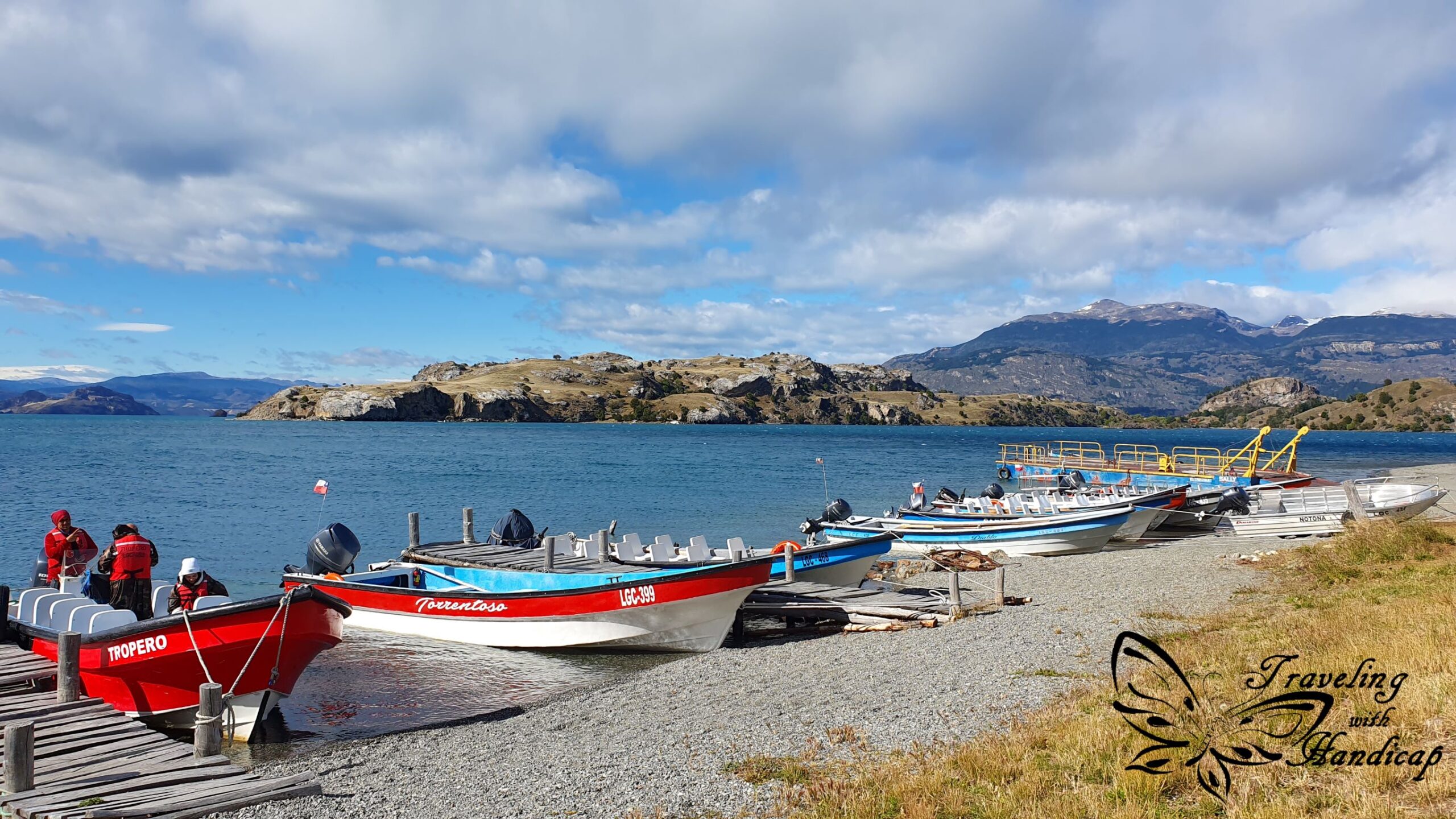
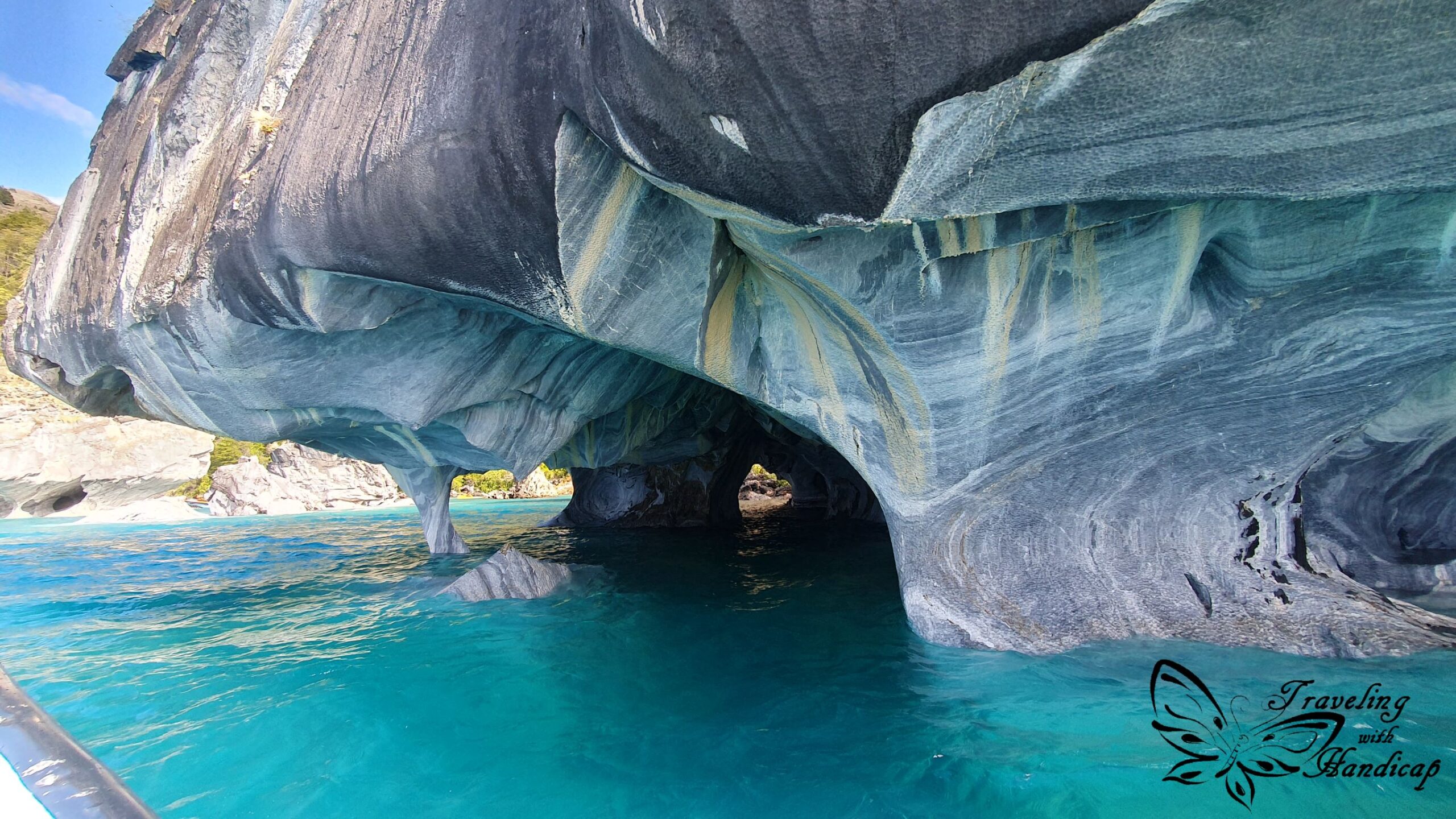
- Puerto Río Tranquilo: Little village along the Carretera Austral and the first town that is accessible through a round-trip without a dead end (all the way from Puerto Rio Tranquilo towards Villa O’Higgins is a road you need to drive back all the way), access point for boats to the marble caves on the lake (very beautiful)
- Puerto Sánchez: accessible from Puerto Río Tranquilo by boat, very small village that even has its own school
- Coyhaique: busy town with very low air quality due to given natural barriers and zones, western-style
- Puerto Aysén: charming village reachable from Coyhaique, German history easily recognizable by the architecture of many wooden buildings, short distance from Puerto Chacabuco as ferry access point to the fjords
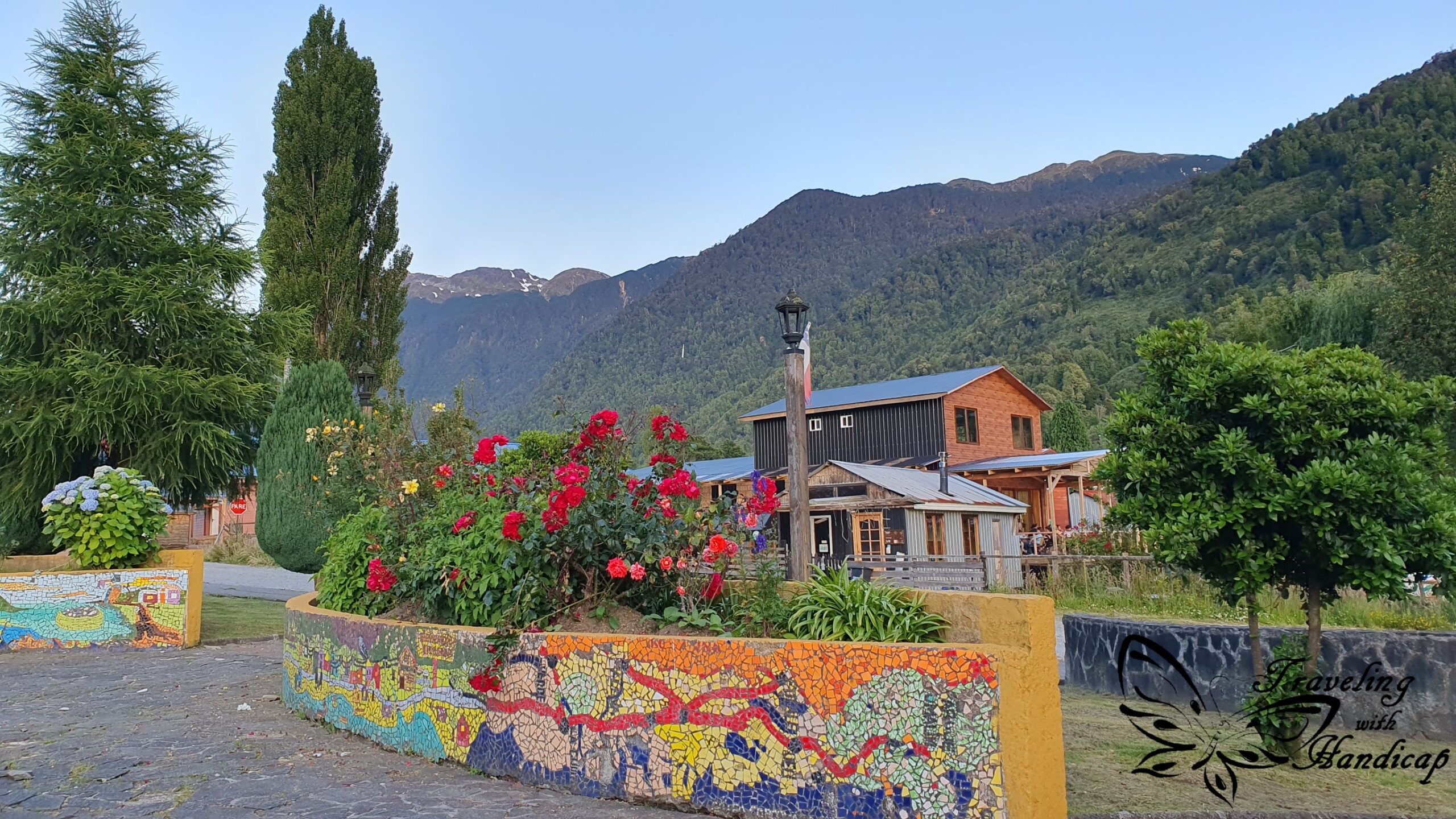
- Puyuhuapi: tiny and charming village at the end of a fjord, amazing nature, German history (architecture), access point for Queulat National Park
- Queulat National Park: Ventisquero Queulat is an amazing hike to Waterfalls from Glaciers, reachable through a hike through some rainforest
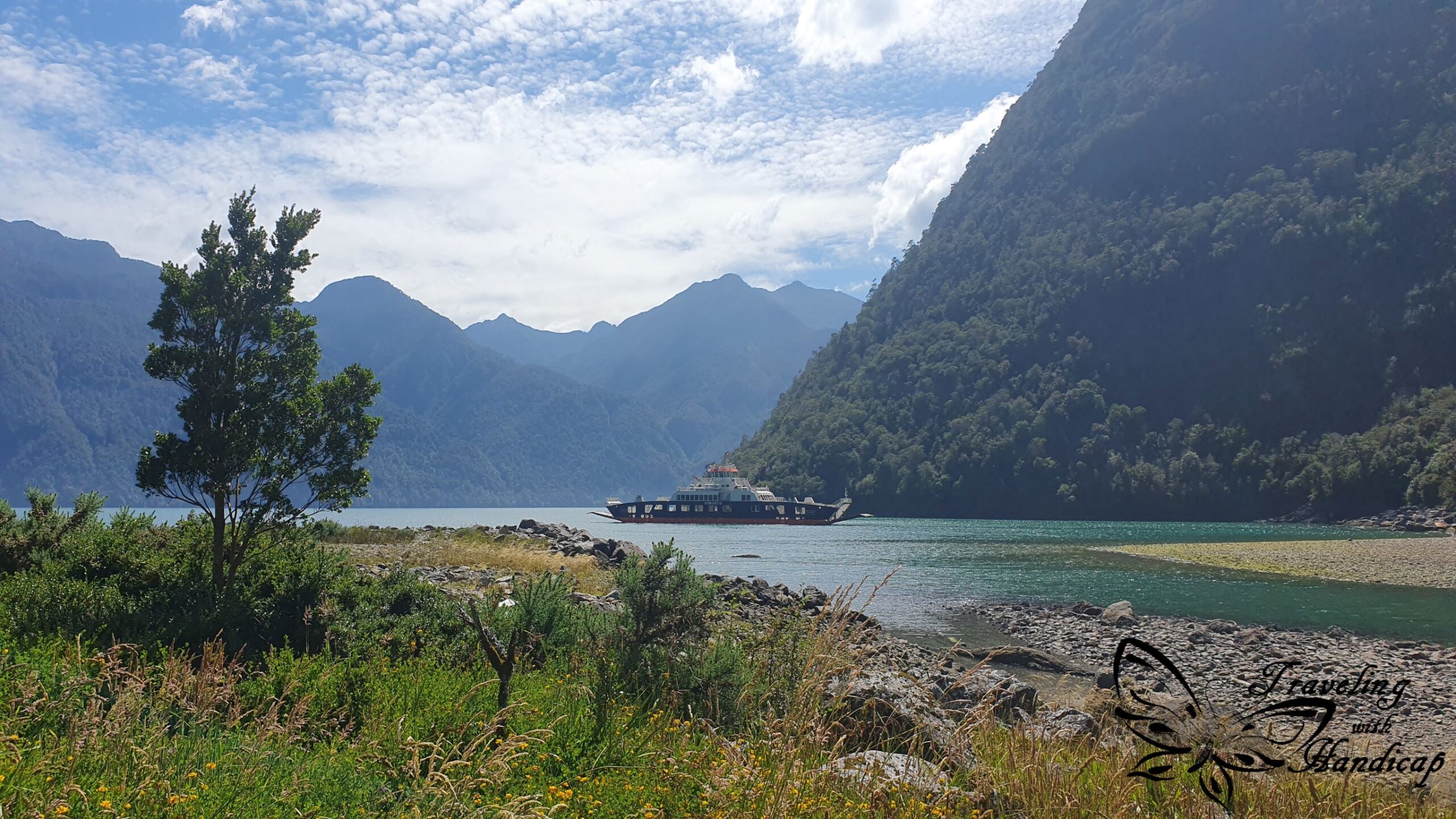
- Chaitén: Access point for ferries to the southern tip of the Isla Grande de Chiloé, once destroyed by a volcano in recent years and mostly rebuilt
Isla Grande de Chiloé
- Quellón: southernmost tip, one end of the Panamericana
- Yaldad: little harbor with a view, possible to start certain hikes in the region
- Cucao: tiny village close to the beautiful lake Lago Cucao
- Muelle de las Almas: reachable from Cucao by car, nice walk through wet forest to a scenic viewpoint
- Conchi: charming little village
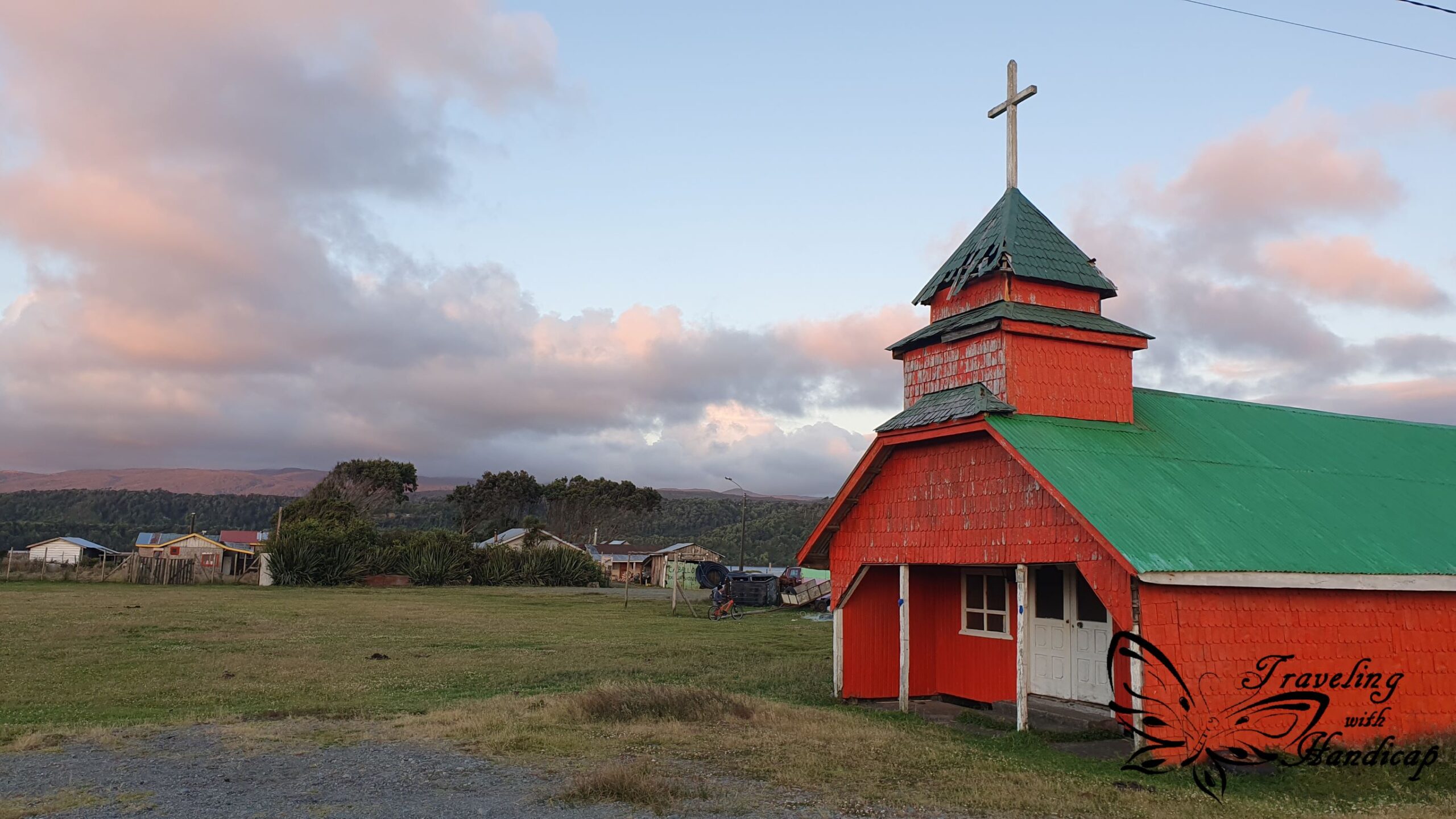
- Necrón: charming little village with interesting church and cemetery
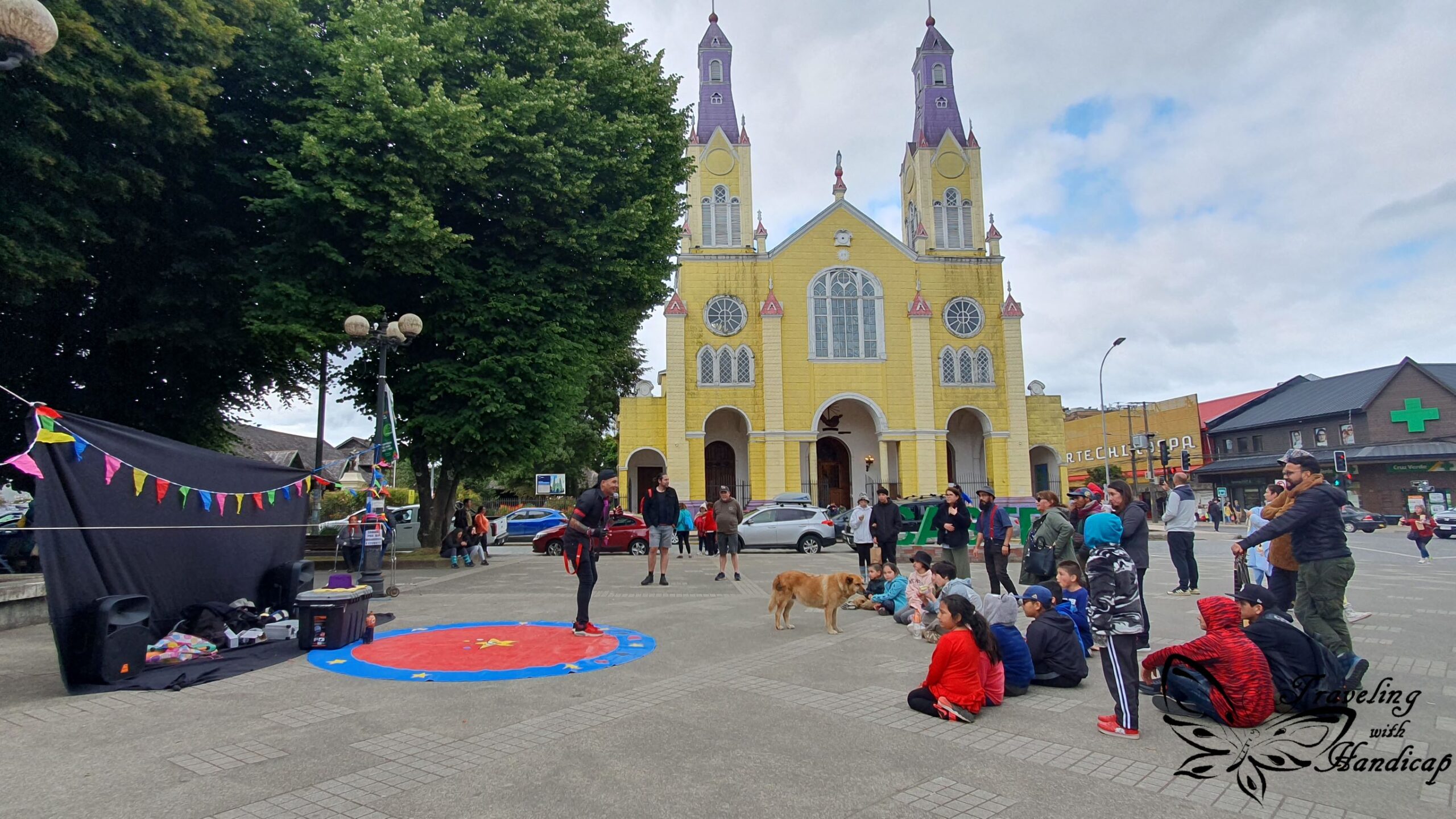
- Castro: town with history, interesting to explore
- Quemchi: little harbor town
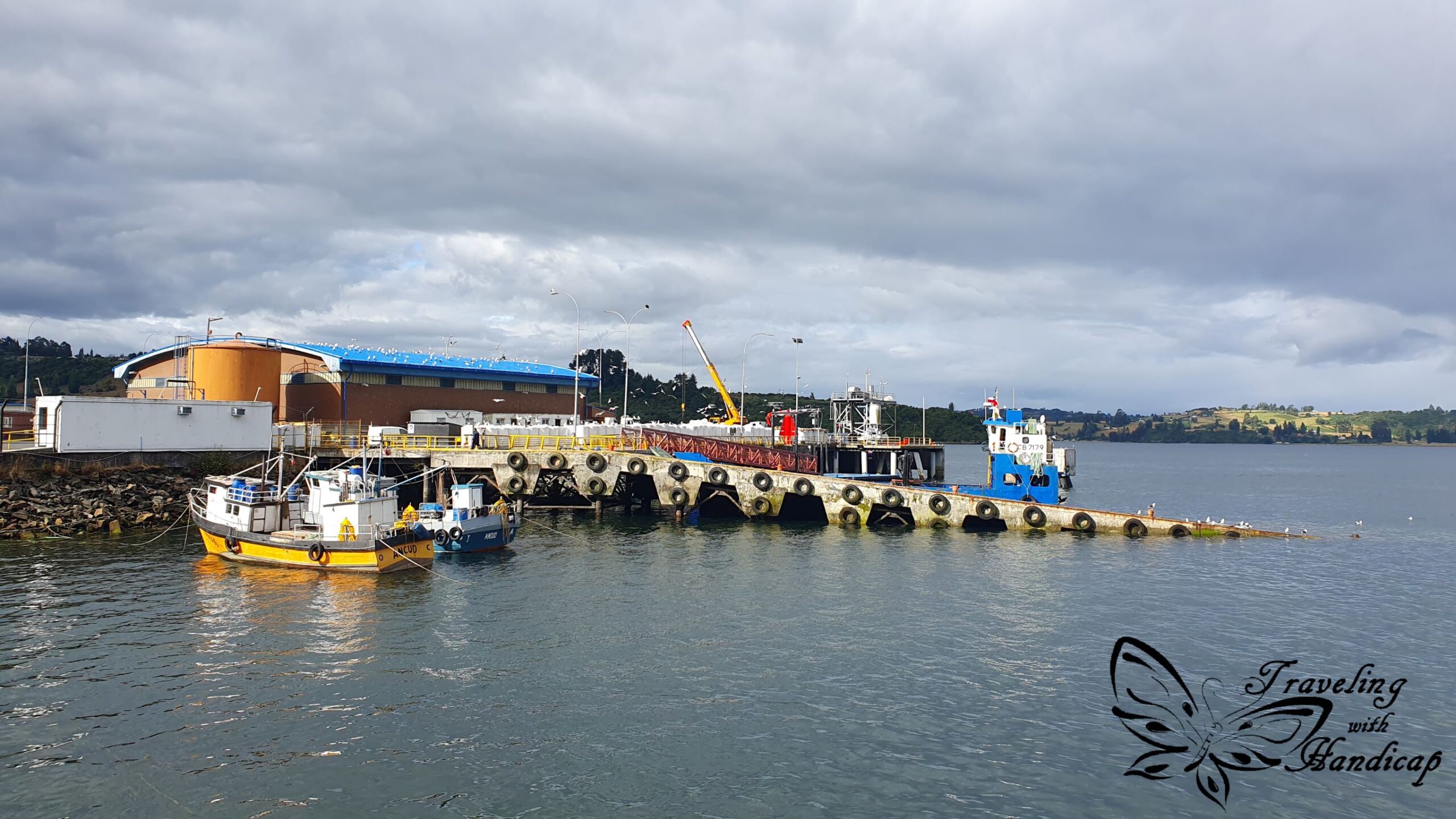
- Ancud: town on the northern end of Chiloé with some historic places
The lakes region
- Puerto Montt: transport hub at the northern tip of Patagonia, the only place in Chilean Patagonia where you need to be really careful of your belongings and better don’t go out in the dark
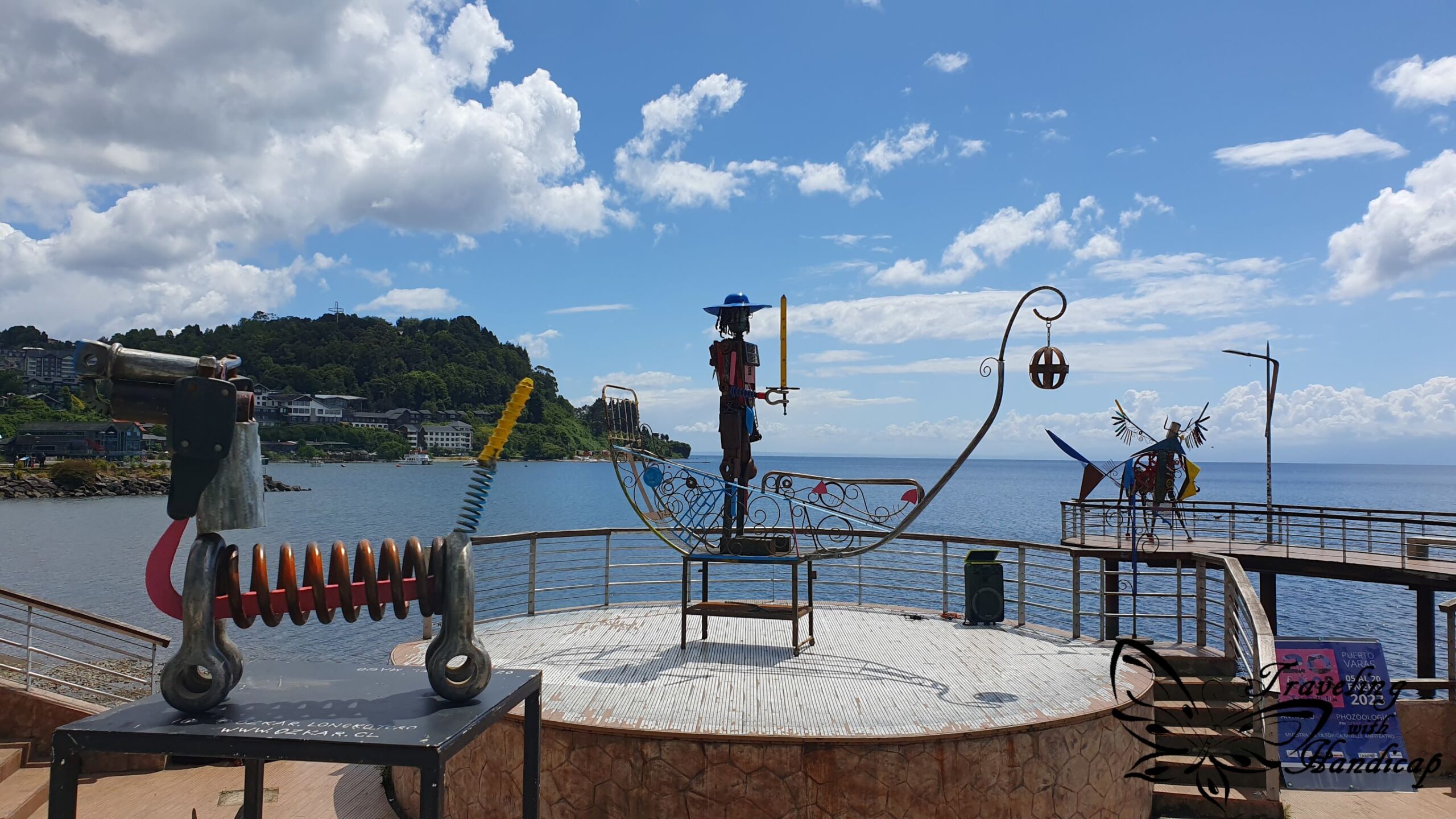
- Puerto Varas: beautiful city with German roots (architecture and people) at the Lago Llanquihue, starting point for exploring the lakes region
- Frutillar: Frutillar bajo consisting of many German buildings in a beautiful location at Lago Llanquihue, very touristic
- Puerto Octay: small and charming place at Lago Llanquihue
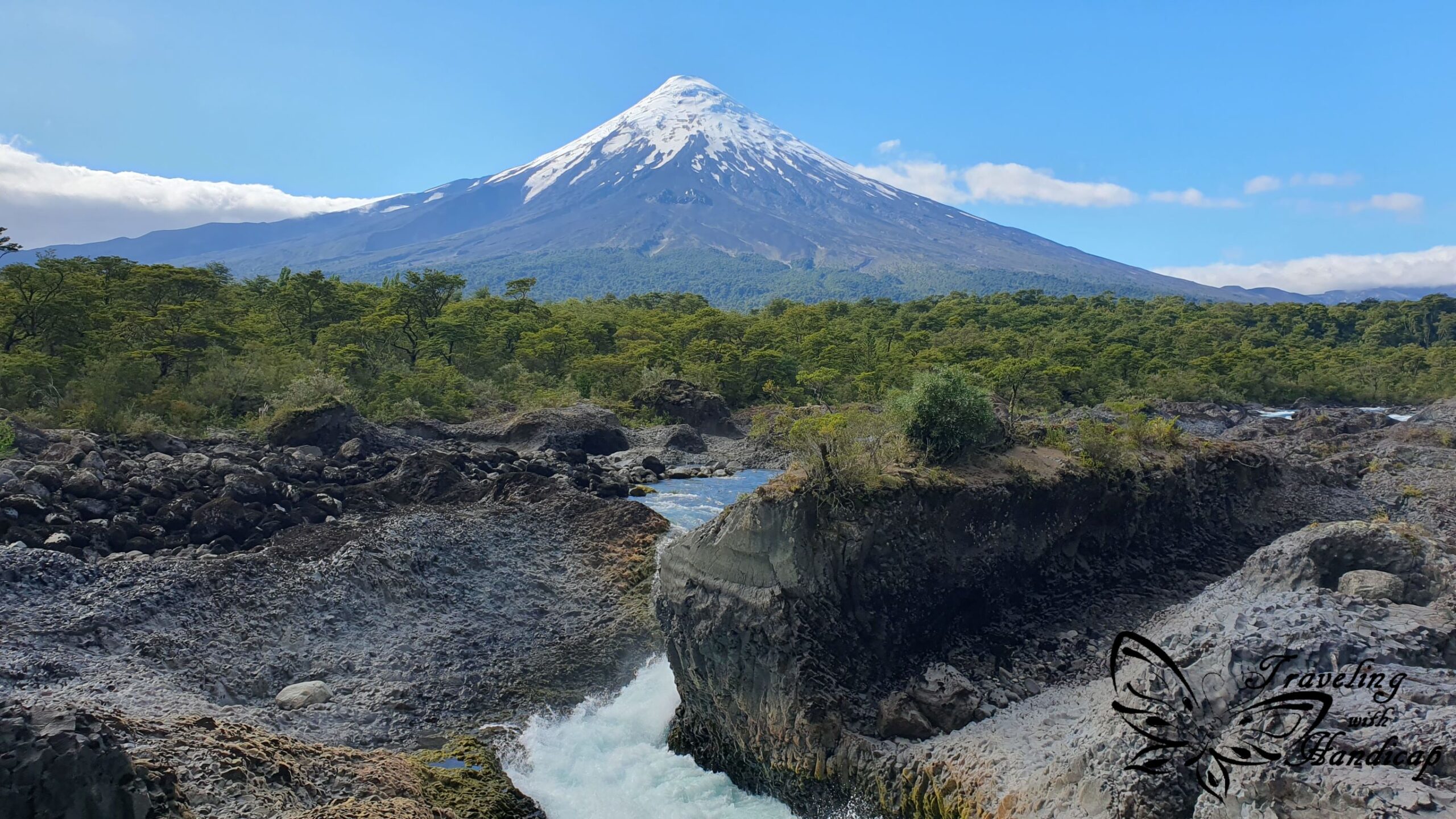
- Petrohue: small and charming village at the Lago Todos los Santos with the Mount Tronador in the background marking the border to Argentina, waterfalls nearby with view on Osorno volcano, access point to Osorno hikes
- Puyehue: small village at Lago Rupanco
- Entre Lagos: town at Lago Puyehue, located at the border between the lakes and the rivers regions as well as along the route from Osorno towards the Argentinean border crossing towards Bariloche
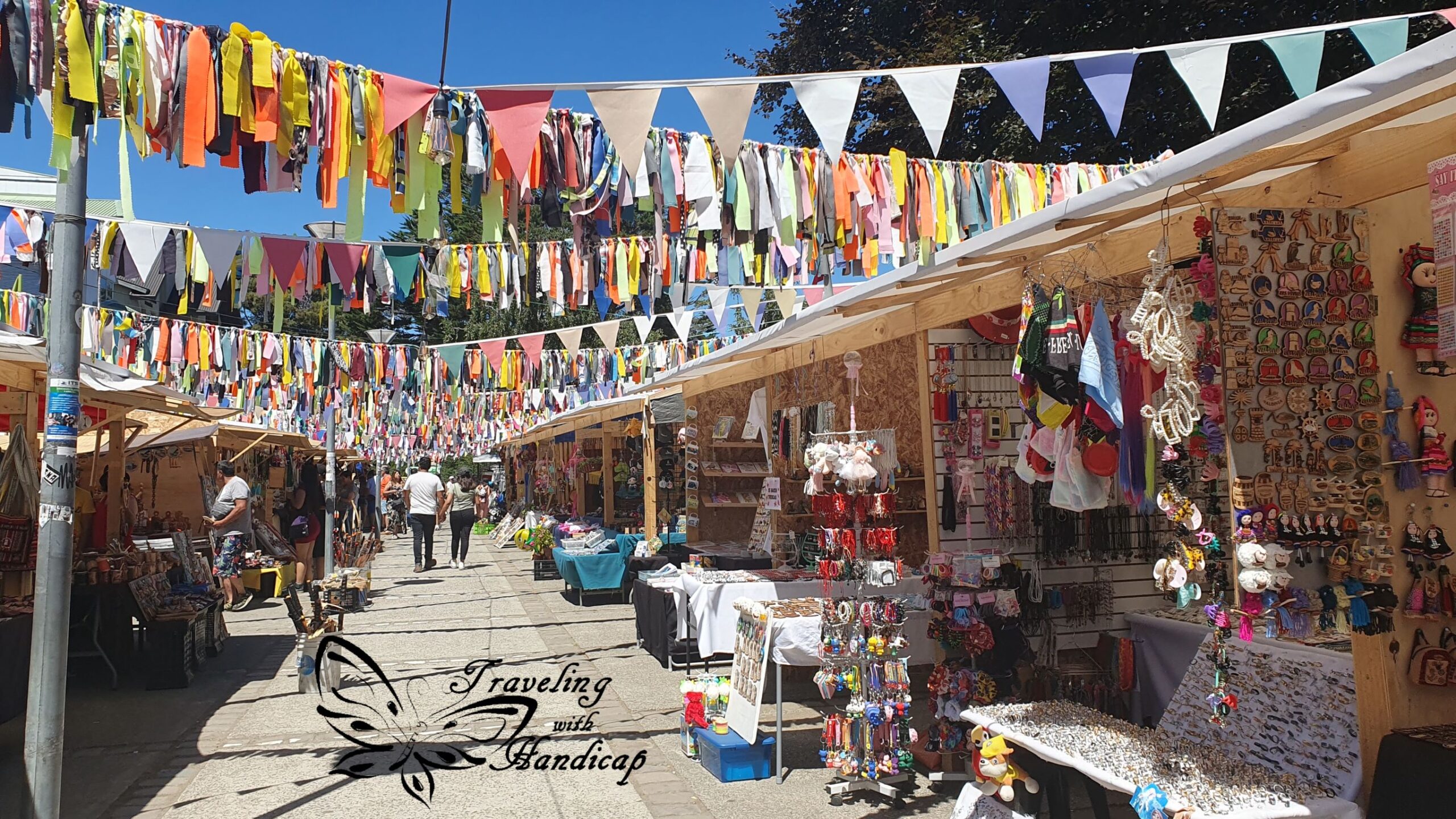
- Osorno: agricultural town where you still experience these roots by visiting the local markets in the center, many natural products available
The rivers region & Araucania
- Valdivia: city with German origin consisting of hip, historic, modern and industrial parts, warmer compared to Patagonia, good local buses to surrounding villages, local German beer festival (thanks to brewery located in Valdivia)
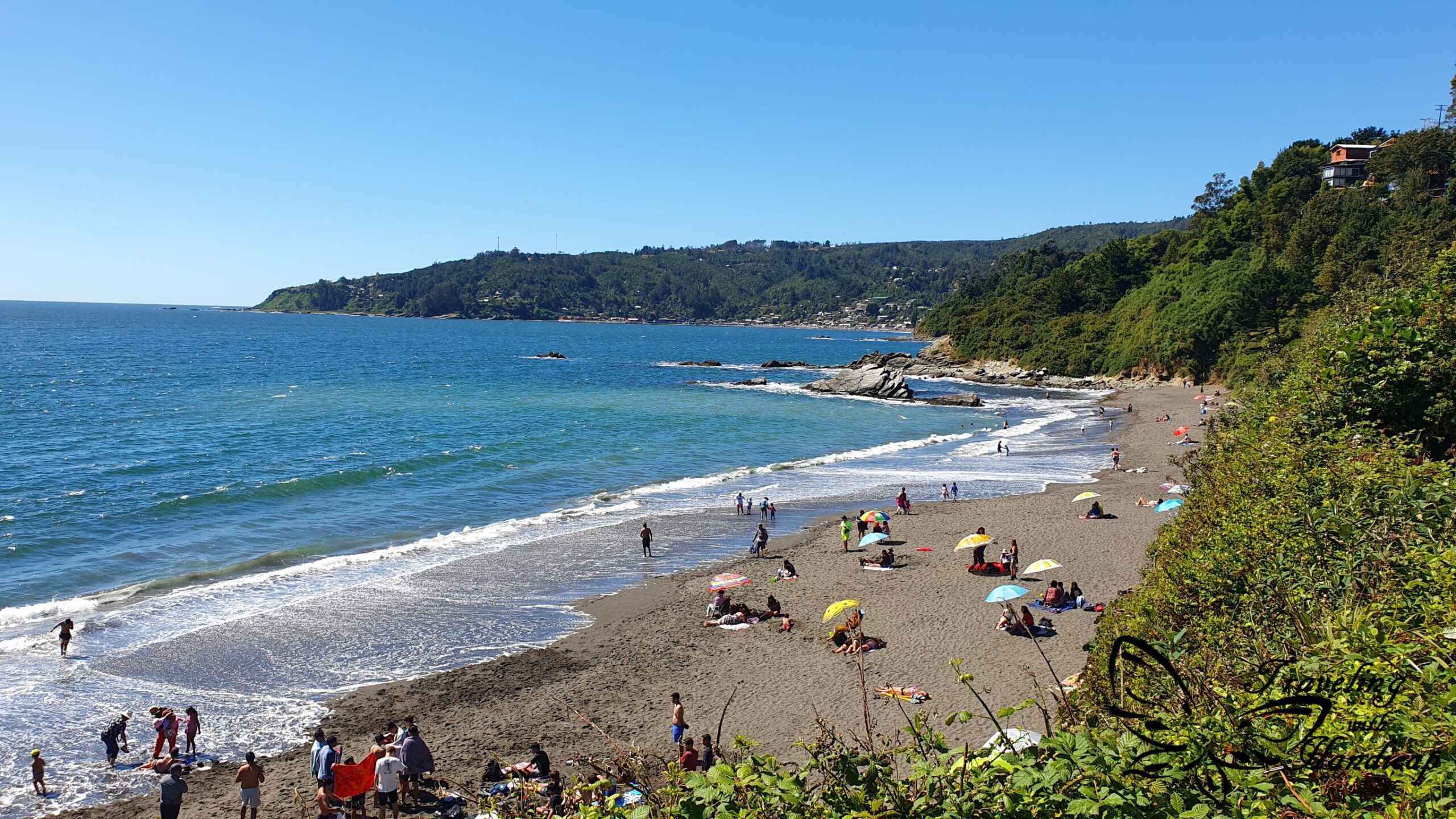
- Niebla: coastal village close to Valdivia, beaches where you can actually get into the water (yes it’s cold but not freezing) and spot dolphins
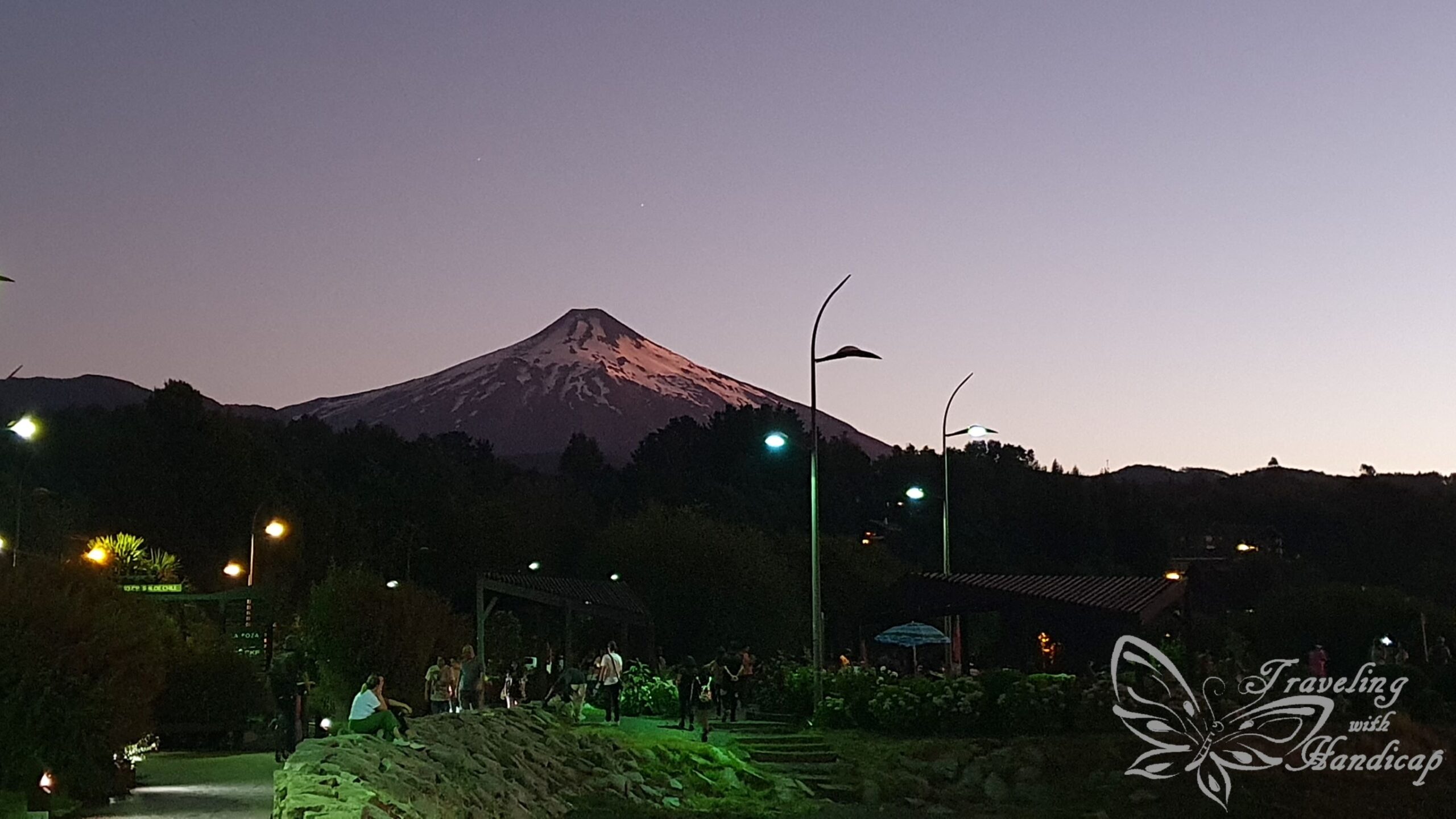
- Pucón: charming little village that is a preferred holiday destination for wealthy Chileans, located at Lago Villarica with volcano Villarica (partly active) just in its back, many different water-sport and hiking opportunities as well as more fancy restaurants
- Playa Blanca Caburgua: Caburga is a small charming village at the Lago Caburgua accessible from Pucón by local bus, more quiet if a break of Pucón is needed
- Termas Geometricas: thermal baths that can be visited from Pucón (driver/tour required since the route is too off-road for normal cars or big buses)
Further recommendations
One thing that I am still curious about (and might plan to do in another trip) is taking the ferry from Puerto Natales to Caleta Yungay. Along the way, I would like to stay in Villa Puerto Eden and take the next ferry towards Tortel for another stop. In general, I might organize another trip in a way to be able to visit the following places.
- Villa Puerto Edén: tiny village located on Isla Wellington, there is almost nothing but getting there requires taking the ferry from Puerto Natales and the view while passing through Bernardo O’Higgins National Park (fjords and islands) might be amazing
- Tortel: tiny village located in the southern fjords close to Río Baker, mainly accessible by ferry (or maybe dirt road if it’s drivable, from Puerto Alegre close to Villa O’Higgins)
- Cochrane: located south of Puerto Río Tranquilo on the way to Villa O’Higgins, beautiful hiking area
- Villa O’Higgins: end of the Carretera Austral, only properly reachable by car
- Villa Cerro Castillo: small village in the Aysen region on the way to Coyhaique, hiking Cerro Castillo
- Villa Amengual: tiny village with options to stay, access point for Laguna de Las Torres
- Futaleufú: located in the higher Andes, close to the Argentinean border (Trevelin), green region, known for river rafting and hiking
- Hornopirén: close to Puerto Montt, access point for Hornopirén National Park with hiking opportunities
- Cochamó: small village at the Estero Reloncavi fjord with hiking opportunities
Argentina
Visited places
First of all, I would like to provide list of places that I have visited with a sentence each describing its highlight or characteristic.
Tierra del Fuego
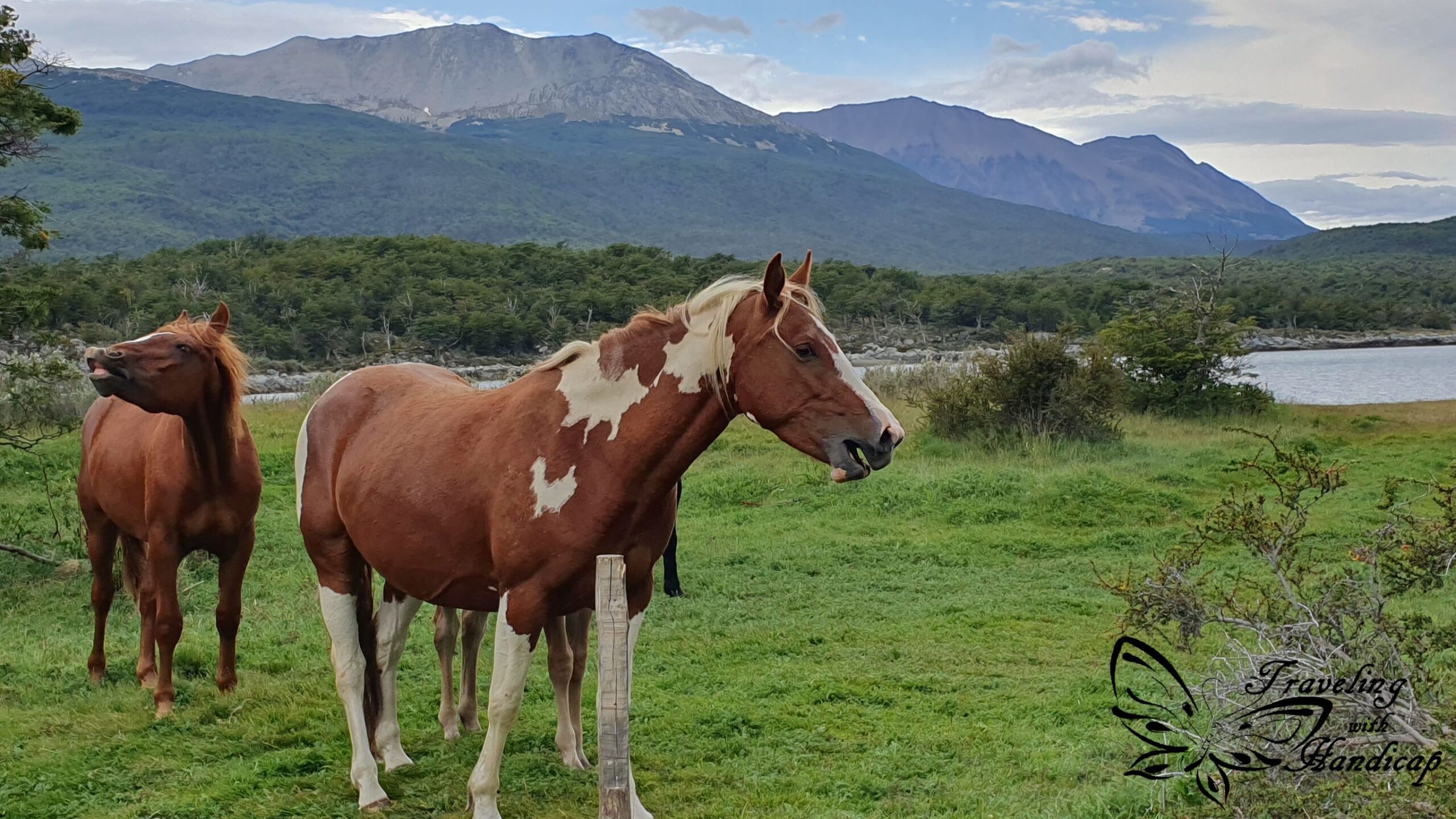
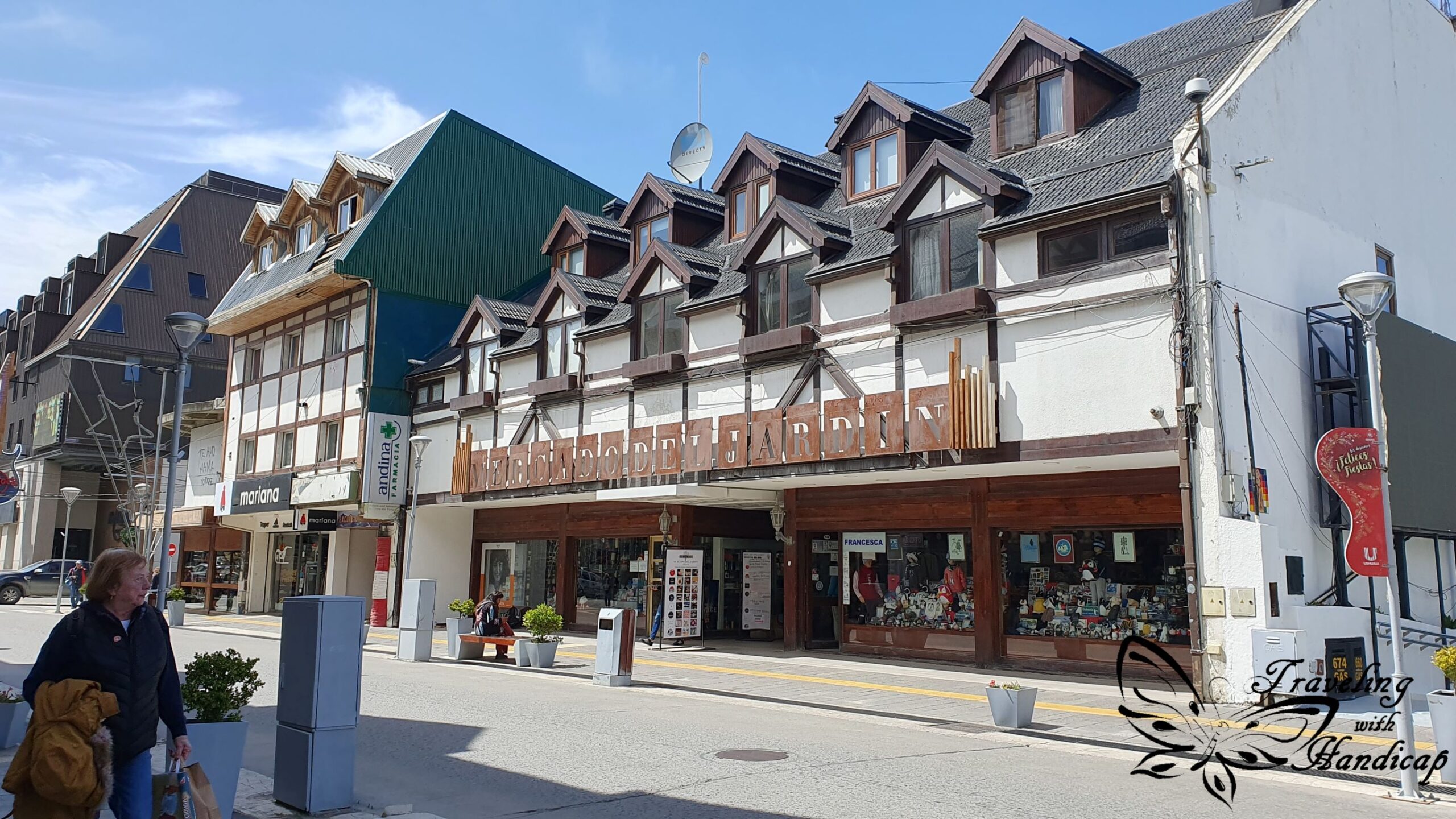
- Ushuaia: southernmost city of the world, access point to Antarctica, surrounded by beautiful nature with great hiking possibilities
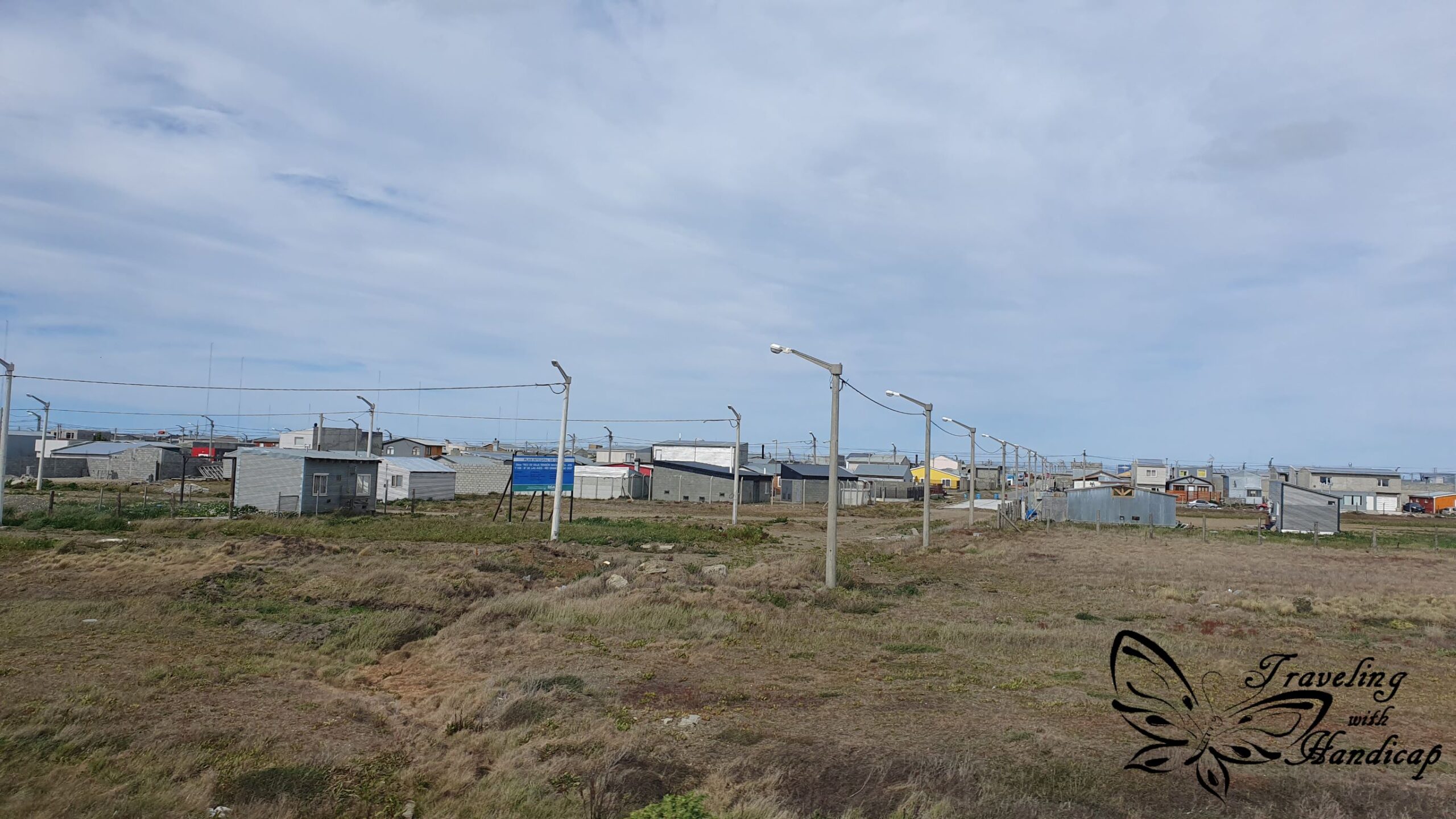
- Lapataia: National Park at the literal end of the world, the southernmost end of the road
- Tolhuin: charming little town at Lago Fagnano, split from Ushuaia by a mountain range and as such different climate
Patagonia (Andes region)
- El Calafate: western-style city in a rather dry region on the eastern Andes, airport, access point for Perito Moreno Glacier
- Perito Moreno Glacier: easily accessible glacier in the way that the walking paths bring you quite close to the Glacier – as such, no expensive boat tour is required
- El Chaltén: tiny village and access point to a whole hiking paradise of the region consisting of Fitz Roy with the Laguna de Los Tres, Laguna Torre, Cerro Torre, Los Huemules, Las Águilas, Puerto Bahía Tunel (at Viedma Lake)
- Los Antiguos: border town towards Chile (Chile Chico) located a bit inland of the Lago General Carrera


Lakes Region
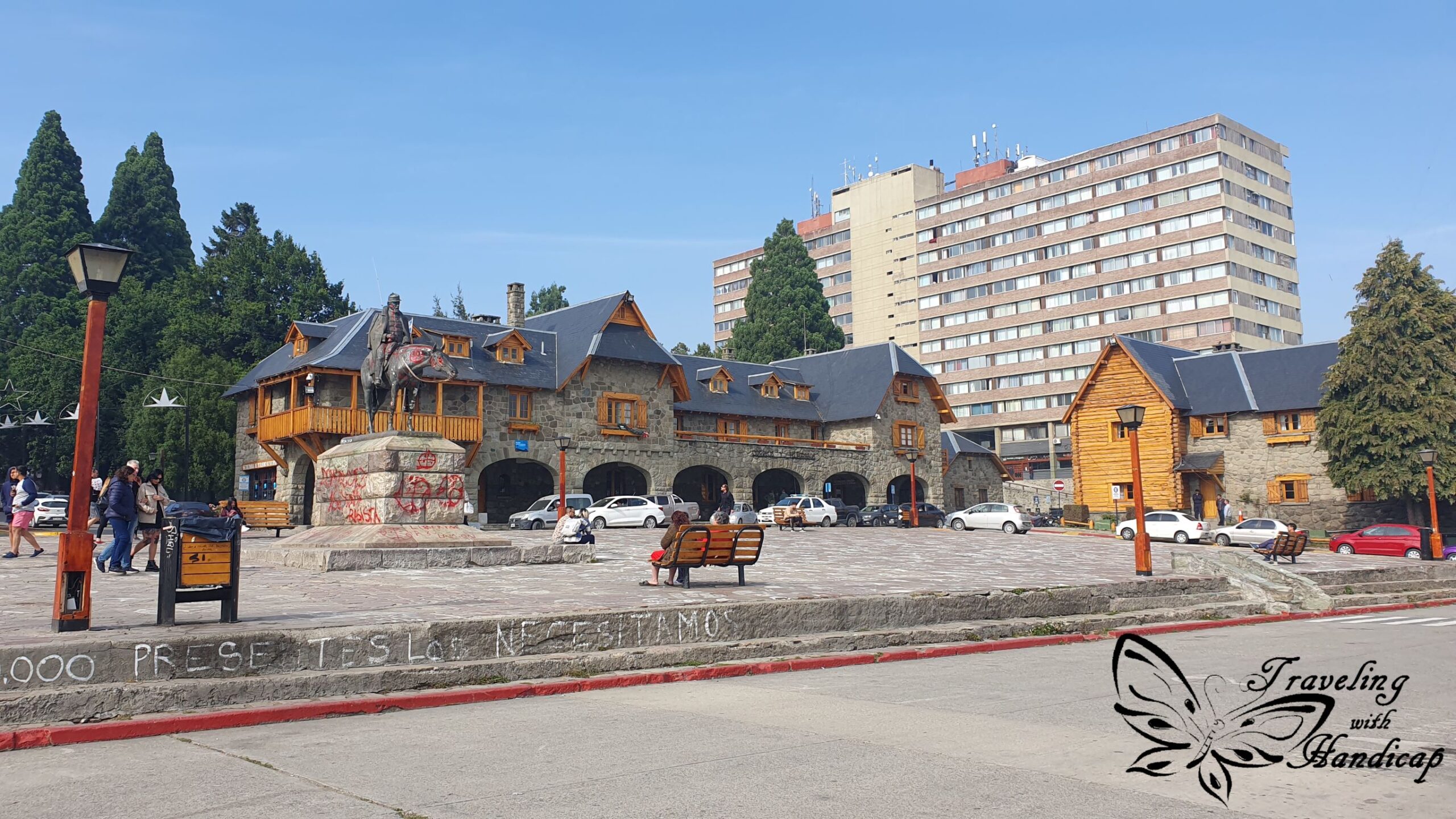
- Bariloche: city in the lakes region, with airport, not the most beautiful place as smaller surrounding villages are nicer
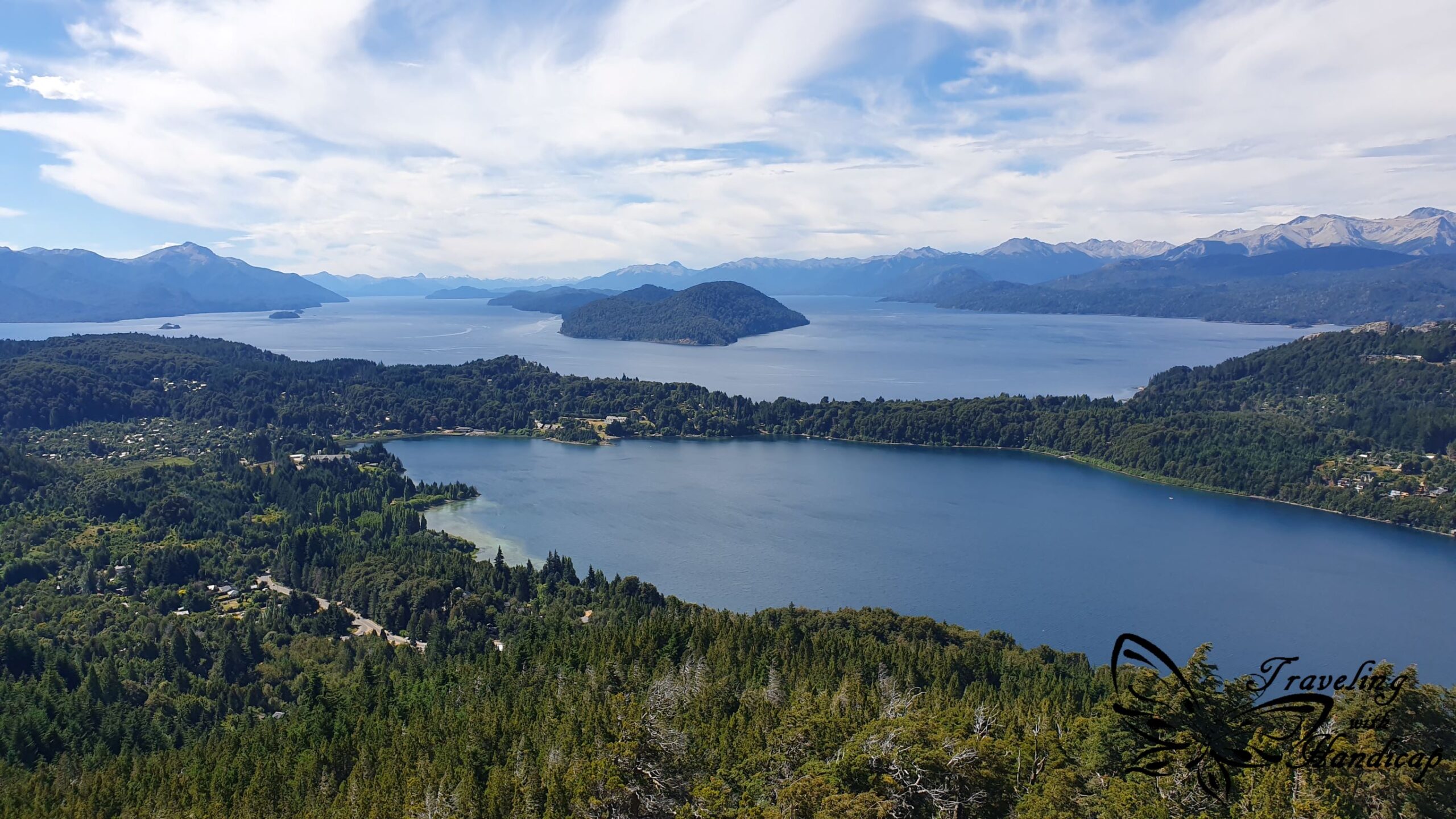
- Cerro Campanario: hill with beautiful view over the lakes region surrounding Bariloche
- Villa Los Coihues: small village at Lago Gutiérrez where people go to if they want to have a more private and better holiday compared to Bariloche
- Villa La Angostura: small western-style village with many restaurants, located in the countryside but close to the lakes and at the Ruta 40 (Camino de los 7 Lagos)
Further recommendations
Places which I might visit on another trip since they were either located logistically inconvenient with respect to my route or simply not within my time window.
- Río Turbio: little western-style town close to the Bosque de los Duendes
- Lago San Martin: north of El Chaltén and not really touristy since not easily accessible
- Corcovado: known for river rafting, located within green region at the eastern end of the Andes
- Trevelin: close to Los Alerces National Park, western-style village with many flowers blooming and beautiful view of the Andes in the background
- Esquel: located a bit higher up in the mountains, as such dryer, with certain history
- El Bolsón: whole region of El Bolsón to Lago Puelo located in a green region at the eastern end of the Andes, fruit trees and good kitchen
- San Martín de los Andes: northernmost town of the lakes region around Bariloche, not as overloaded with tourists as Bariloche since either a car or a longer bus-ride is required to even get there
Getting around
Patagonia covers a huge area while containing many special and rather inaccessible strips of land. As such, a Patagonia trip needs to be planned carefully. The selected way of moving forward makes a huge difference in terms of what is reachable, how much time is needed, which places can be used to start and end the trip and so on. Moreover, the types of accommodation available also depend on the mode of transport in some way.
Tierra del Fuego and southern Patagonia: Long distance buses
The southern end is not easily accessible. You’d pick one airport to arrive, either Punta Arenas/ Puerto Natales on Chilean or Ushuaia / Río Grande Airport on Argentinean side. From that location, you find any public transport option that is available to reach the closest town or city. From each of these cities, there are long distance buses available to reach any of the other cities. The distances are large without much change in landscape, as such, driving by yourself can be tiring, as such, buses are a by far more convenient option. Just keep in mind that there are not many buses connecting Punta Arenas and Ushuaia compared to the number of travelers who want to take that route. You need to make reservations in advance, just showing up and hoping for a spot is not possible on that route.
Central Patagonia
Within this region, you have two options: either renting an SUV and stop at many interesting places along the way or taking public buses which restricts the routes a bit more. This region is also famous for hitchhiking, so be prepared to have people waving at you if you have rented your car. Assuming you only want to take the ferry all the way from Puerto Natales to Puerto Montt, you don’t need a car since this is also possible by foot, it just needs to be reserved and paid in advance, however, that’s rather not the typical way of visiting Patagonia.
If you want to rent a car, you usually start from Puerto Montt (Airport) and drive all the way along the Carretera Austral maybe even until Villa O’Higgins, maybe including some side-routes along the way. It’s not typical to drive all the way to El Chaltén or El Calafate since the route from Los Antiguos to El Chaltén takes more than 12 hours one way and consists of multiple hours on dirt road through the pampa. In this case, a long distance bus might be a more convenient option even though you need to be aware that sleeping on a full bus that is shaking during the many hours on dirt roads is not the easiest to handle. Buses also connect Villa Santa Lucía, Futaleufú, Tevelin and Esquel.
Chiloé
There are public buses on the isle of Chiloé, however, it’s much easier to have your own car since buses are not as frequent and there are not many touristic locations along the major bus routes. Buses connect Ancud, Castro and Quellón, other places rarely. Having a car, you might take the ferry either from Chaitén or from Pargua (south of Puerto Montt). Chiloé is not easily accessible, there are not many roads and you need to know where you can drive so that you still manage to get back. Nevertheless, Chiloé is quite different from surrounding Patagonia, by nature and culture, that it’s definitely worth a visit.
Lakes Region
The lakes region can be best explored by car. This is true both for the Chilean and the Argentinean side. While long distance buses connect the main towns such as Puerto Varas, Osorno, Bariloche and Valdivia, all other places in between are rarely connected to a public bus service. As many roads follow along the coastline of lakes without any major bus stops, you miss out on many great views and access points to specific hikes such as the Osorno volcano. You don’t need to rent a car at the Airport of Puerto Montt, other bigger cities such as Puerto Varas also offer options to rent cars – they only have to be contacted directly since they are not part of any international booking systems.
Renting a car in Bariloche is very expensive and only worth it if you are a group of people. However, renting a car in Chile and driving to Argentina requires a lot of paperwork. You need to have special allowance (costly) and international papers to be allowed to cross between Chile and Argentina with a rented car. I am not sure if that was worth the money and effort.
Rivers region & Araucania
Valdivia, Villarica or Pucón can easily be accessed on public long distance buses. You need to carefully select your routes and in some cases make a stop in-between. Nevertheless, this region doesn’t contain of too many touristically relevant places so that you do not necessarily need a car to stop at any place in-between. Valdivia has many local buses within the city and connecting surrounding villages. Villarica also has a bigger bus hub. Pucón itself doesn’t require a car, just if you plan to explore the surrounding area, a 4WD would be helpful.
Your own camper
If you have your own camper, you will not leave it at one place and continue by bus. Since you are super flexible with a camper with respect to the places to sleep, you can plan your routes with respect to driving distances you want to handle. Especially along the Carretera Austral I met many people traveling with their van. It is convenient, just need do be careful where you are allowed to park and stay with your camper.


